Architecture (B.A.)
Architecture is the art and science of designing and constructing buildings, interior and exterior spaces, and urban areas to harmoniously meet functional and aesthetic needs. In modern metropolises, construction must be based on identity and compatibility with the urban fabric. Therefore, education based on identity and authenticity can bring the country’s architecture closer to the “desired architecture” and ultimately play a significant role in improving living spaces and enhancing the living conditions of society. This highlights the importance of proper and impactful architectural education more than ever.
Pars Higher Institute of Architecture and Art, utilizing the expertise of distinguished architecture professors, strives to provide theoretical education along with practical workshops throughout the educational period. This ensures that students, after graduation, are ready to enter the job market as efficient forces of the country. Designing, constructing, and renovating buildings and their interior components is called architecture. Creativity is one of the most important characteristics of an architect, and in the competitive field of architecture, creating new ideas plays a significant role.
About
About the Field
Architecture refers to the design, construction, and renovation of buildings and their interior components. Creativity is one of the most important characteristics of an architect, and in the competitive field of architecture, creating new ideas plays a significant role. The term “architecture” means the science of building and development, and an architect is someone who strives to improve the world.
The history of architecture as a craft for creating shelter dates back to the dawn of human history. However, modern architecture is a combination of the construction industry along with art, philosophy, sociology, social psychology, economics, natural and human geography, planning and economic development, and natural sciences such as biology and environmental science. This field can be studied at the associate, bachelor’s, master’s, and doctoral levels. To enter this field, a strong understanding of geometry and high spatial visualization skills are necessary. An architecture student begins learning architectural design by enhancing manual skills in the early semesters and later uses simulation and presentation software for architectural design.
Architecture, as a term, means the science of building and development, and an architect is someone who strives to improve the world. The history of architecture as a craft for creating shelter dates back to the dawn of human history. However, modern architecture is a combination of the construction industry along with art, philosophy, sociology, social psychology, ethics, economics, natural and human geography, planning and economic development, and natural sciences such as biology and environmental science.
The field of architectural engineering is fundamentally different from other engineering fields due to its comprehensive nature and the significant role of artistic creativity. An architect must be able to establish and manage personal and professional relationships with all segments of society. They should be effective and influential in groups of architects and engineers from related fields (electrical, mechanical, civil, etc.). This field can be studied at the associate, bachelor’s, master’s, and doctoral levels. To enter this field, a strong understanding of geometry and high spatial visualization skills are necessary. An architecture student begins learning architectural design by enhancing manual skills in the early semesters and later uses simulation and presentation software for architectural design.
Skill Areas
The field of architectural engineering, due to its artistic nature and the significant role that artistic creativity plays in it, is fundamentally different from other engineering fields. An architect must have the ability to communicate with all segments of society. They should be able to be effective and influential in groups of architects and engineers from related fields (electrical, mechanical, civil, etc.).
Professional Environment
Architects can work independently and individually or within collective collaborations in both public and private sectors. Those who wish to work individually usually spend a few years working in companies to gain more experience and gather the necessary capital to work independently.
Career Fields
The future career field for graduates of this discipline ranges from drafting and designing construction projects to execution. Graduates can participate in employment exams for various departments and institutions or work in the free market and in technical and engineering offices. They can also establish their own design office and directly collaborate with employers. Here are some of the career fields mentioned:
- Designing (single buildings or small living complexes), from initial designs to execution stages and designing the components of buildings.
- Leading and supervising architectural consulting offices (consulting engineering).
- General and high-level supervision of the accuracy of work in construction operations (supervising engineer).
- Managing and coordinating the execution of architectural projects (project management).
- Establishing and supervising contracting and construction institutions.
- Collaborating with all specialists whose work is related to organizing living spaces, such as ecologists, geographers, climatologists, economic and social planners, etc.
- Designing parks and urban squares and landscaping.
- Participating in urban planning and design projects.
- Designing and executing interior decoration.
- Conducting research and educational work.
- Being a member of the technical staff of municipalities and similar organizations.
- Designing and constructing models.
Professional Desirability
Architectural engineering is a technical and artistic field, and the artistic aspect reduces the difficulty of the work. Additionally, due to its wide scope, this field offers a variety of job opportunities.
Necessity of the Profession
Architecture is more than just constructing an object. Each building that is constructed plays a significant role in beautifying the city. Moreover, proper and safe design of buildings can increase the comfort, convenience, and peace of mind of the city’s residents.
Courses and Skills
Introduction to Courses
Courses such as compositions, designs, and theoretical architecture courses are typically conducted in studio or student conference formats. The concepts in these courses are based on a completely different way of thinking compared to high school courses, so success in high school and entrance exams does not guarantee success in these courses. Having artistic talent and employing creativity in the design process is essential for success.
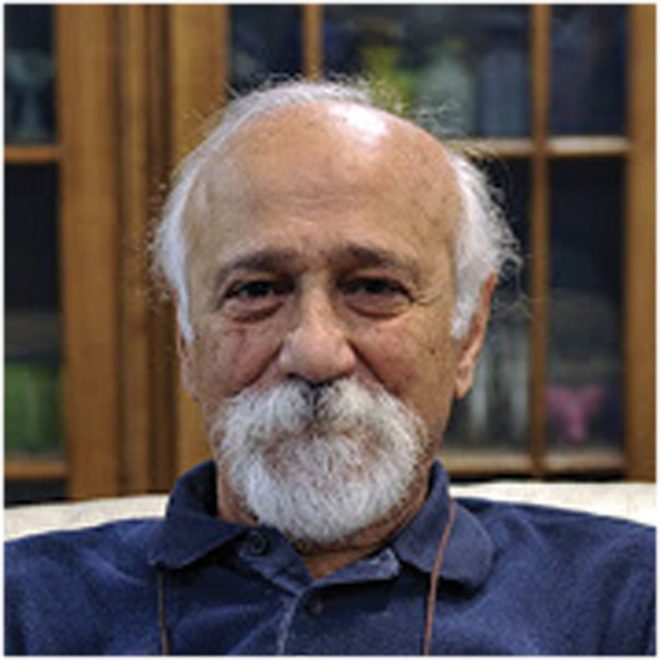
Lecturers














Courses
Basic Courses
- Applied Geometry
- Materials and Construction Workshop
- Understanding and Expressing the Environment
- Architectural Expression
- Perspective Geometry
- Mathematics and Statistics
- Human, Nature, Architecture
- Introduction to Architectural Design
Core Courses
- Theoretical Foundations of Architecture
- Introduction to World Architecture
- Survey of Historical Buildings
- Introduction to Contemporary Architecture
- Surveying
- Environmental Conditions Regulation
- Electrical Installations (Light and Sound)
- Mechanical Installations
- Strength of Materials and Metal Structures
- Concrete Structures
- Statics
- Estimation and Budgeting
- Workshop Management and Organization
- Building Materials
- Building
- Village
- Architectural Design
Specialized Courses
- Introduction to Physical Planning Principles
- Analysis of Urban Spaces
- Introduction to Building Restoration
- Architectural Design
- Technical Design
- Final Design