Directing (B.A.)
Directing (play)
About the Field
Directing is not just about choosing camera angles or guiding actors; it is a complex process of artistic and technical decision-making that influences every moment of a film. A director, with keen eyes and a deep sense of art, can transform simple moments of life into unforgettable and meaningful ones. Like a painter, they create an image by combining colors and forms that transport the audience to another world.
In fact, directing is like magic that creates dreams from reality. This art has the ability to combine images, sounds, movements, and emotions to bring a story to life on the screen in a vivid and engaging way. The director is the artist at the heart of this magic, someone who not only needs to have a creative vision but also the ability to lead and manage a team of actors, cinematographers, set designers, and many other crew members.
Required Skills
This field requires a deep understanding of the language of cinema, character psychology, and storytelling. Each directed work not only tells a story but also reflects the director’s perspective and worldview. The director must be able to clearly and effectively convey their emotions and thoughts to the audience.
Having a strong social spirit, good physical stamina, excellent communication skills, high mental creativity, artistic talent, and more are other necessary abilities for a director.
Job Market
Students in the field of directing, if they have the necessary talent and ability, can pave the way for their success. During their studies, professors only show the way to students, and the student must learn through activity and experience. In fact, in this field, the opportunity for practical experience and learning is provided for the student.
Difference with Television Directing
Television directing is a practical field aimed at training specialized, committed, and creative program makers in line with the policies of the Broadcasting Organization. These individuals, with the help of technical, artistic, and analytical skills, facilitate the production of various television programs. A television director visualizes their mindset using the classical and academic training they have received in television program-making during their studies, and with creativity and innovation, they produce television programs.
Students in the television directing major study, research, and gain experience in directing various types of television drama programs, including series, short programs, and tele-theaters. In other words, students in this major learn the methods of designing and producing a drama program from the idea stage to production in the studio or mobile unit, broadcasting, and evaluation. They also become familiar with how to critique and analyze television programs, developments in execution, scriptwriting, special effects, set design, expression methods, and the close relationship between form and content. All these courses are accompanied by practical activities and workshops so that students can gain the necessary experience and skills for producing television drama programs using the practical facilities and equipment of the faculty and the Broadcasting Organization.
Job Opportunities
Graduates of television directing can work in various centers, including advertising agencies, government institutions, the Institute for the Intellectual Development of Children and Young Adults, the Ministry of Culture and Islamic Guidance, and other television program production centers.
- Production Management, and more
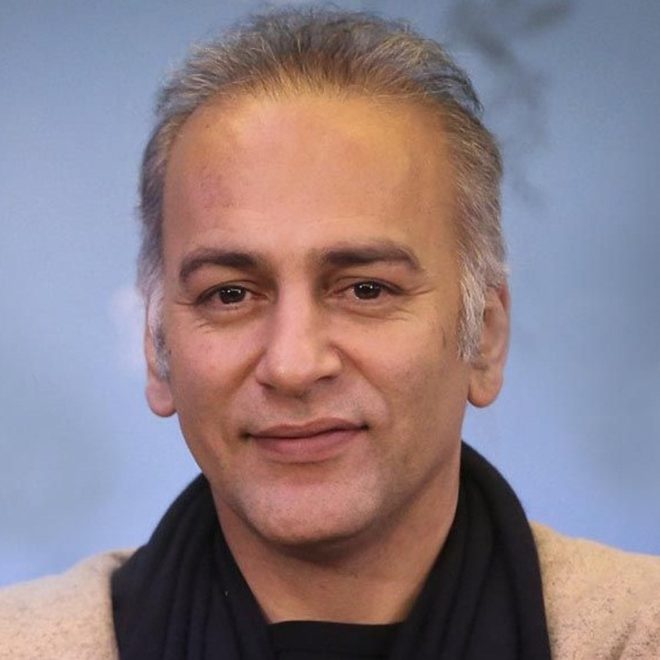
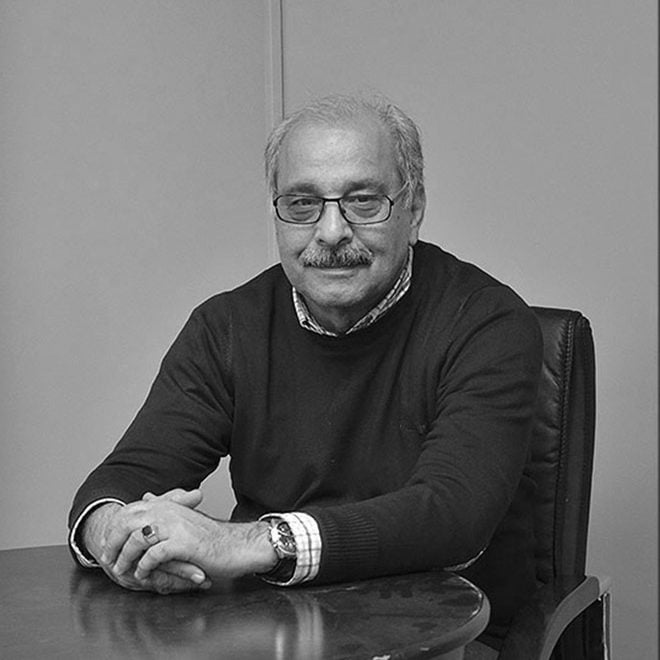
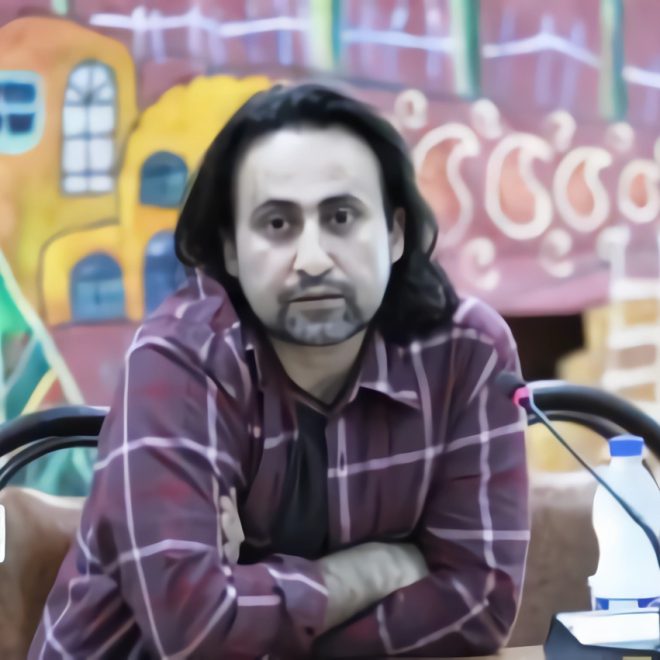
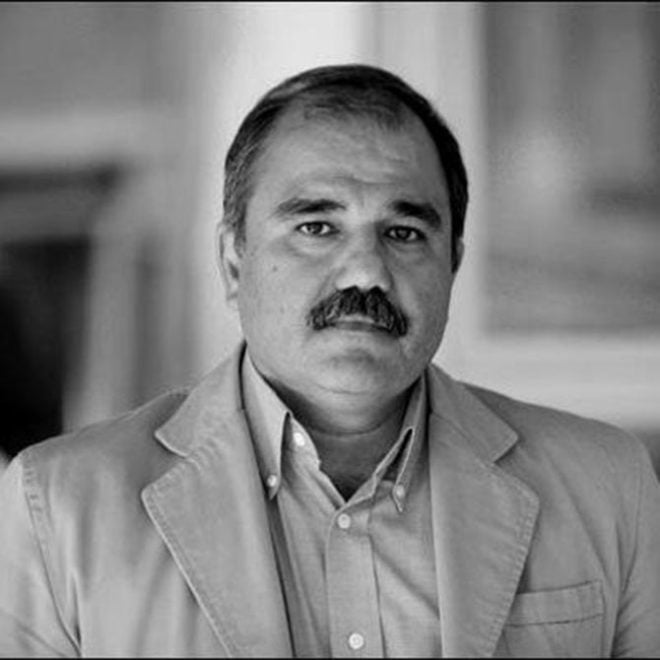
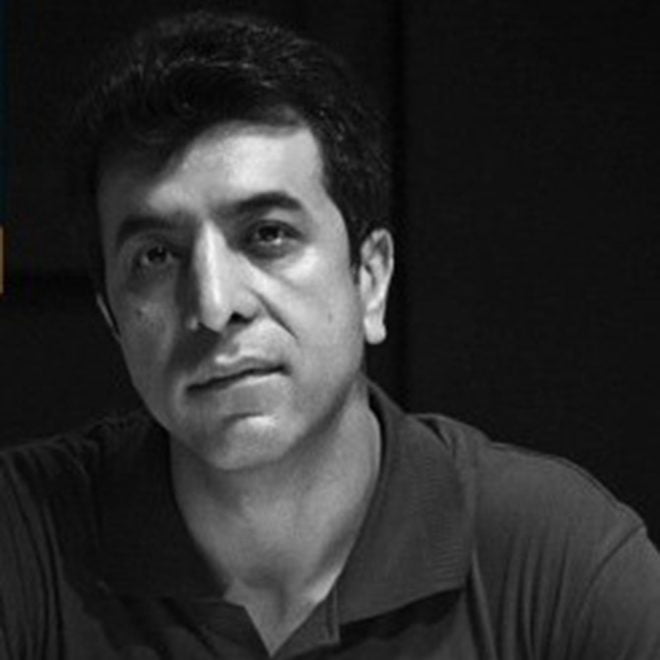
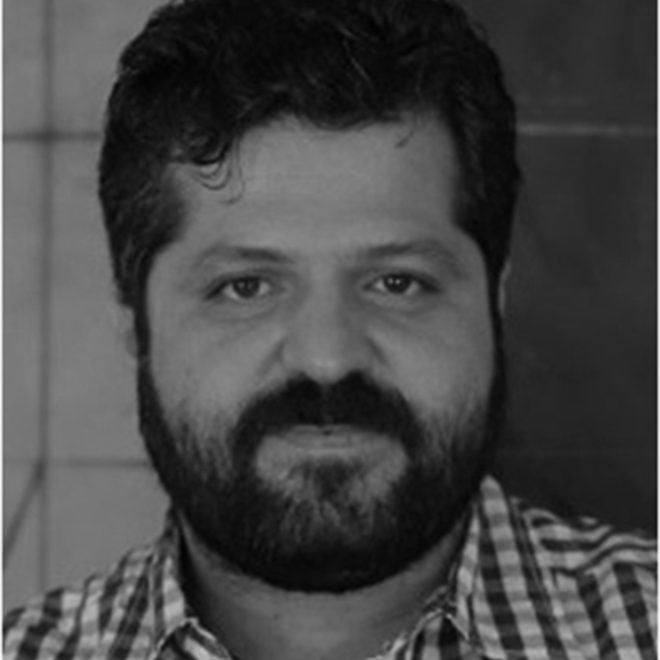
Lecturers







About Pars University
Pars University of Architecture and Art, with its emphasis on modern education, experienced and prominent faculty, and collaboration with leading international universities, offers a dynamic and inspiring environment for nurturing the future generation of the country.
The university’s approach is to combine the essence of Iranian architecture and art with modern technologies. Its teaching methodology integrates theoretical knowledge with hands-on experience and real-world projects. This provides students with an opportunity not only to master theoretical foundations but also to significantly enhance their practical skills and creativity.