

Energy Engineering (B.Sc.)
Energy is the lifeblood running through the veins of modern civilization—a force that lights up cities, powers factories, warms homes, and even drives the smallest tools of everyday life.
In a world where sustainable development is the key to the future, Energy Engineering is not merely an academic discipline but a pathway to saving our planet. At the heart of this field, a deep understanding of physical, chemical, and mechanical processes, combined with a forward-looking perspective on renewable energy, provides the foundation for creating innovative solutions.
About
The field of Energy Engineering emerged after the global oil market shock of the 1970s, in response to societies’ need to manage energy resources and reduce dependence on fossil fuels.
This discipline integrates mechanical, electrical, chemical, and physical engineering, as well as elements of economics. It is specifically concerned with the study, design, analysis, and optimization of energy systems across various scales.
Energy Engineering applies the foundations of science and engineering to analyze all levels of the energy chain—including resource exploration, extraction, transmission, processing, conversion, and distribution.
Given the complexity of energy-related challenges in our country, there is an urgent need for skilled and innovative engineers who can develop effective solutions while considering environmental and economic factors. Accordingly, the curriculum of Energy Engineering at Pars University has been designed with a holistic, specialized approach that aligns with the latest global developments in the energy sector.
Throughout their studies, students learn how to design energy systems, evaluate them through rigorous analysis, and ultimately provide solutions for optimizing consumption, reducing pollutants, and increasing efficiency. In addition to theoretical knowledge, they gain hands-on experience in workshops and laboratories, equipping them with practical skills essential for their future careers.
Skills
Students in this program, through a practical and application-oriented approach, learn the fundamental principles of chemistry, physics, and mathematics, supported by laboratory experiments that enhance their understanding of key concepts. They also gain familiarity with methods for solving differential equations, the application of probability and statistics in engineering problems, the fundamentals of computer science, and programming algorithms. In addition to mastering the basics of energy conversion, students study advanced technologies for energy transformation with a focus on renewable resources.
They also develop skills in understanding the complex interconnections of energy systems as part of broader economic and social structures, while acquiring knowledge of micro- and macroeconomic principles and methods of economic analysis.
Graduates of Energy Engineering, with a solid foundation in systems control and an understanding of the relationship between energy and sustainable development, will be equipped to analyze and design energy systems—including electrical energy systems, fuel cells, power networks, and integrated energy systems. They will also be capable of proposing innovative solutions for enhancing efficiency and reducing consumption.
The curriculum of Energy Engineering encompasses a wide range of courses designed to build both foundational knowledge and specialized expertise. Students begin with general courses in mathematics, physics and physics laboratory, general chemistry and chemistry laboratory, differential equations, and the fundamentals of computer programming. They then advance to numerical methods, engineering statistics and probability, principles of economics, and econometrics.
As the program progresses, students study core engineering subjects such as statics, engineering thermodynamics and its laboratory, fluid mechanics, heat transfer, electrical energy systems and laboratory, strength of materials, engineering mathematics, automatic control, and the fundamentals of energy systems analysis.
In the specialized phase, the curriculum introduces courses in mathematical programming, renewable energy fundamentals, energy conversion, process integration, energy auditing, environmental impacts of energy, and energy economics. To complement technical knowledge, students also take courses such as industrial drawing, technical English, and electronics, which further strengthen their professional and practical skills.
Career Opportunities
With the rapid advancement of technology, the growing need for energy optimization, the global shift toward clean energy, and the movement toward carbon reduction, Energy Engineering has become one of the most practical and promising academic fields for the coming decades.
Graduates of Energy Engineering can pursue careers across a wide spectrum of industrial, research, governmental, and private institutions. These include companies in the oil, gas, and petrochemical sectors; fossil fuel and renewable power plants; heavy industries; policymaking organizations such as the Ministry of Energy, the Environmental Protection Organization, and municipalities; as well as research centers, knowledge-based enterprises, and green start-ups.
In addition, graduates are well prepared to work as energy consultants, energy system designers, economic analysts of energy projects, project managers, researchers, or executive managers in national and international projects.
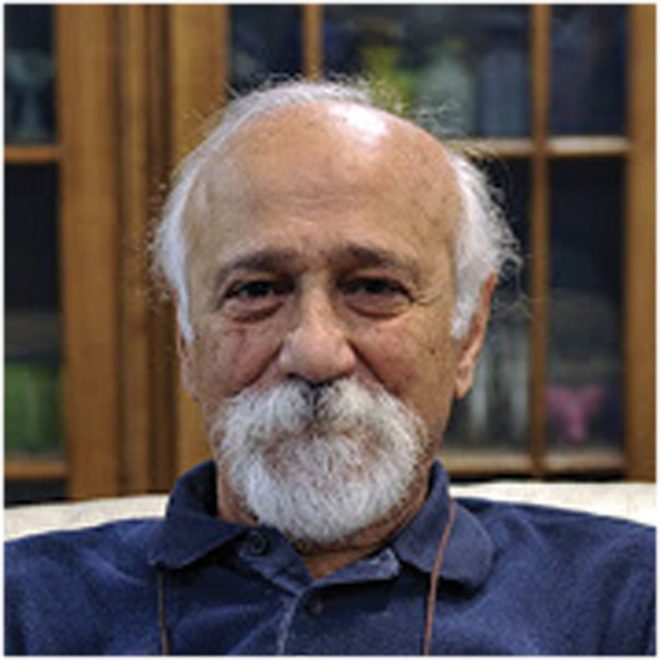
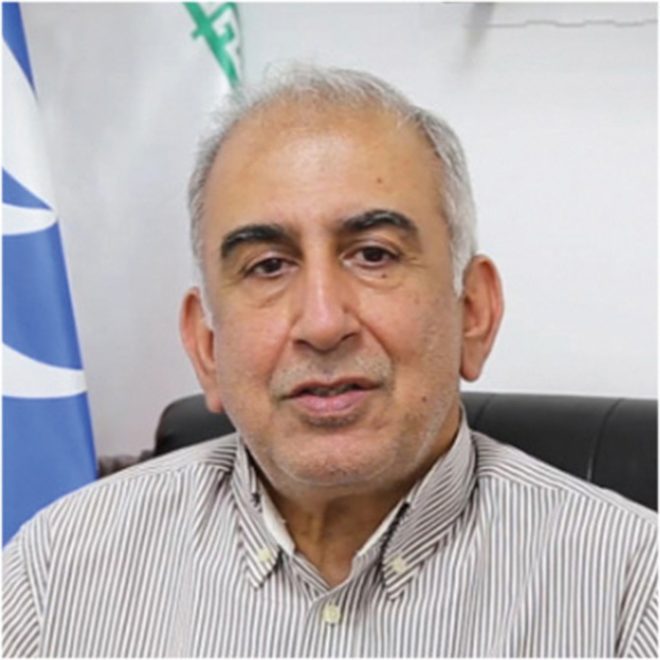
Lecturers












About Pars University
Pars University of Architecture and Art emphasizes modern education, distinguished faculty, and collaborations with leading global universities, creating a dynamic and inspiring environment for cultivating the next generation of professionals.
The university’s approach integrates the authenticity of Iranian architecture and art with modern technology. Its teaching methodology combines theoretical knowledge with practical experience through real projects, enabling students to master theoretical concepts while fully developing their practical skills and creativity.
Gallery
