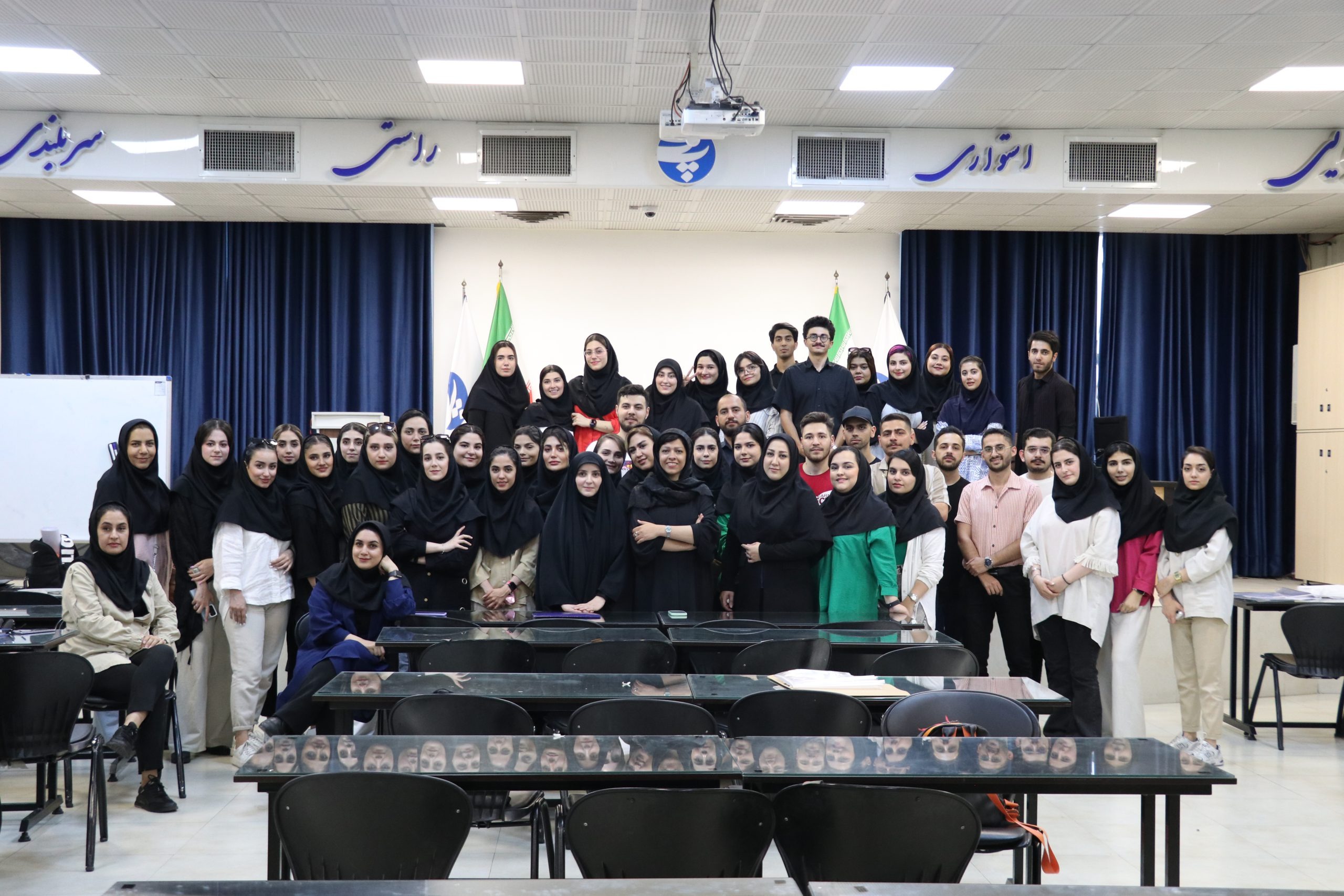
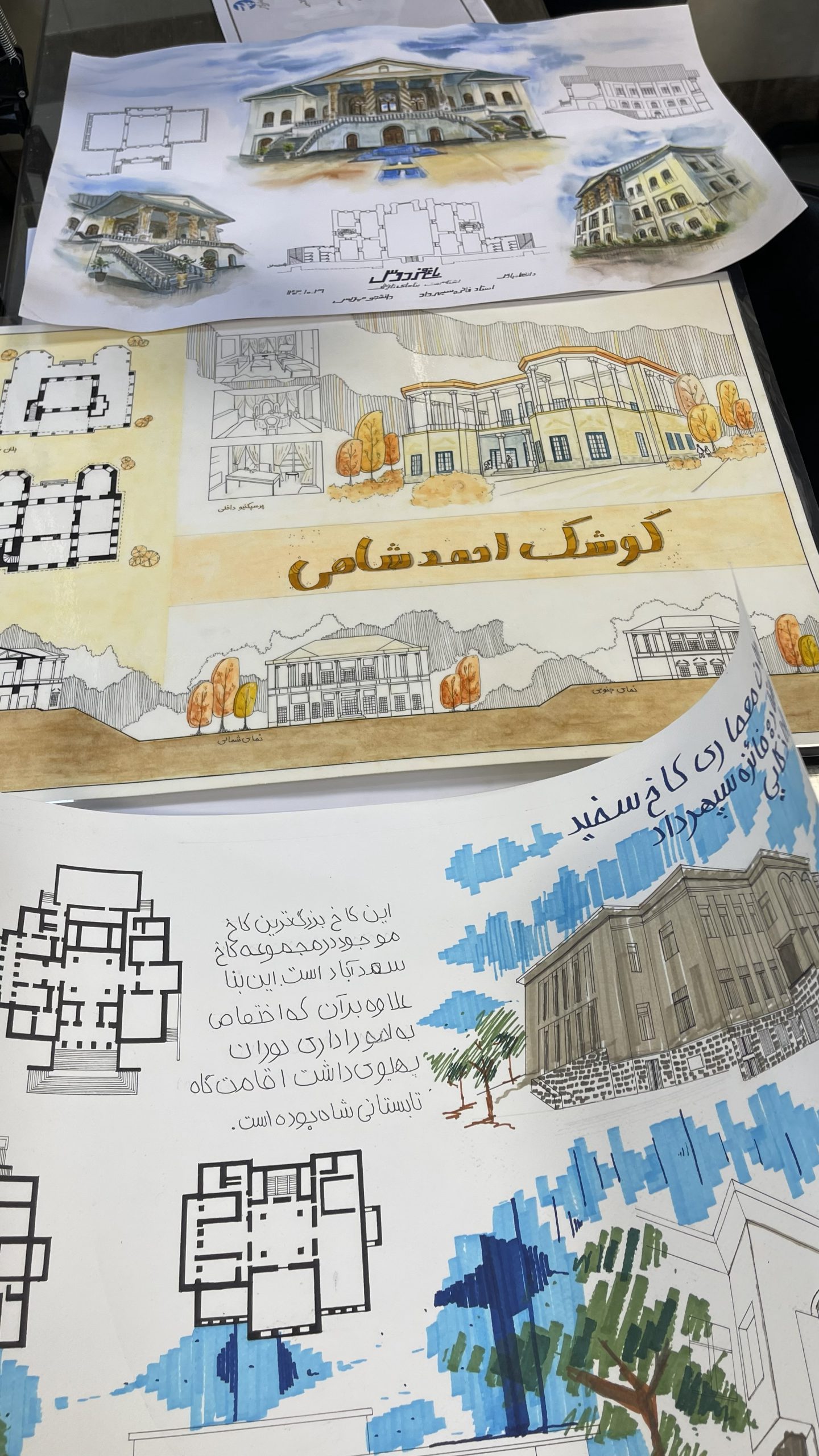
Restoration of Historical Buildings (B.Sc.)
Restoration and revival of historical buildings is a field where specialists focus on the physical reconstruction and renovation of historical structures, as well as the revitalization and preservation of valuable historical areas and cultural heritage. Architects and engineers involved in this highly technical, cultural, and artistic task must have a thorough understanding of both modern concepts and historical perspectives.
Graduates in the field of restoration and revival of historical buildings are essentially modern architects who have learned how to use past experiences to build the future. They can create a bridge between past and future architecture. These specialists have a deep understanding of history and can analyze and interpret historical artifacts, extracting their meanings and values, and presenting them to society in a contemporary manner.
About
Given the necessity of studying, protecting, restoring, and reviving buildings, complexes, sites, and historical residential areas in the country, architects and engineers skilled in this technical, cultural, and artistic field must have a comprehensive understanding of both the specialized aspects and modern concepts of their profession. Graduates of this field will be architects who learn how to use past experiences to build the future. They will be individuals capable of creating a bridge between past and future architecture.
Graduates will be able to use their general knowledge, theoretical understanding, and practical skills to restore and renovate thousands of historical buildings managed by government units such as the Cultural Heritage Organization and other ministries and governmental and private sector organizations. In addition to maintaining and restoring historical buildings, they will help the younger generation learn from the works of the past. Work in this field is divided into two categories: project-based and research-based. Project-based work involves group restoration of ancient artifacts over long periods, typically conducted outdoors under varying weather conditions. Research-based work involves studying and investigating restoration and is generally not considered a stable source of income. Another path is teaching this field as a university professor.
Skill Areas
These individuals must have a good understanding of history and be able to analyze and interpret historical artifacts, extracting their meanings and values, and presenting them to society in a contemporary manner.
Job Fields
Graduates of this field can participate in planning for the restoration of historical buildings in coordination with relevant authorities and agencies. They can also be involved in the execution of restoration projects as needed. Additionally, they will be able to play an effective role in the restoration and revival of thousands of historical buildings managed by government units such as the Cultural Heritage Organization of the country, using their general knowledge, theoretical understanding, research, and practical experience.
Professional Environment
These graduates will be able to participate in planning for the restoration of the country’s historical buildings and determining necessary priorities in coordination with relevant authorities and agencies. They can also be involved in the execution of restoration projects as needed.
Necessity of This Profession
Iran is an ancient country with numerous buildings that bear the mark of its long history. Graduates of this field can play a significant role in preserving and reviving these buildings and ultimately attracting tourists. It is better to take more serious actions to keep the flame of enthusiasm alive in these individuals.
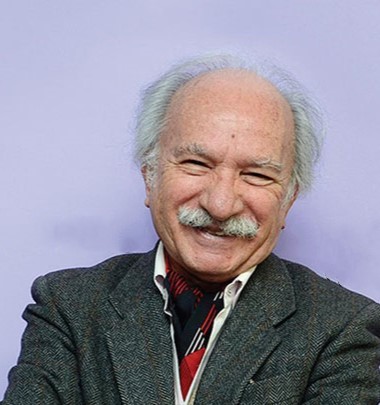
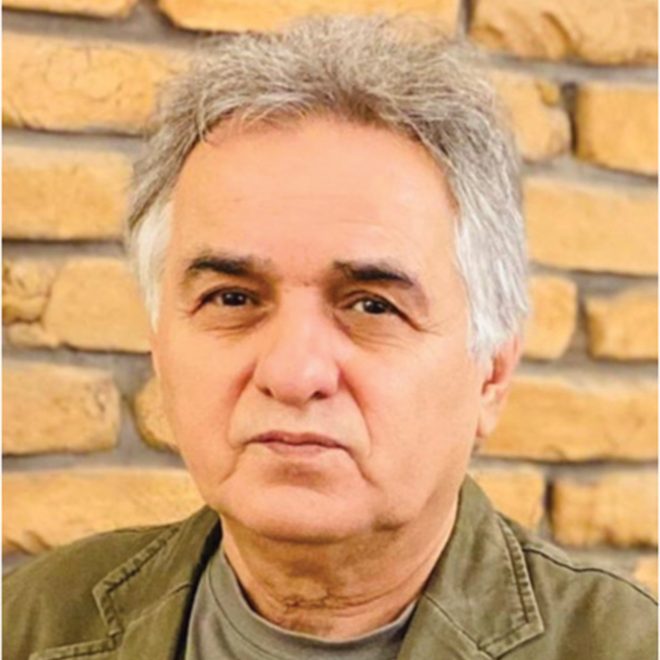
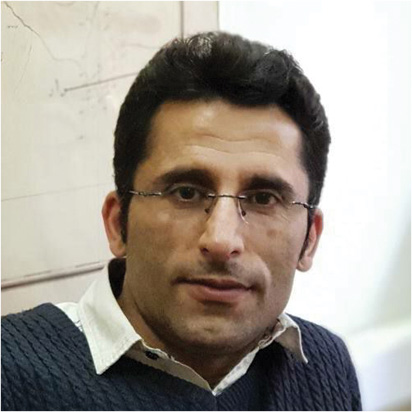
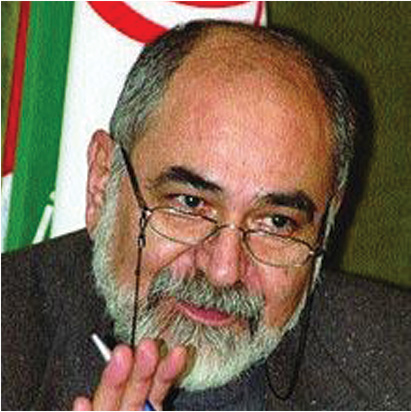
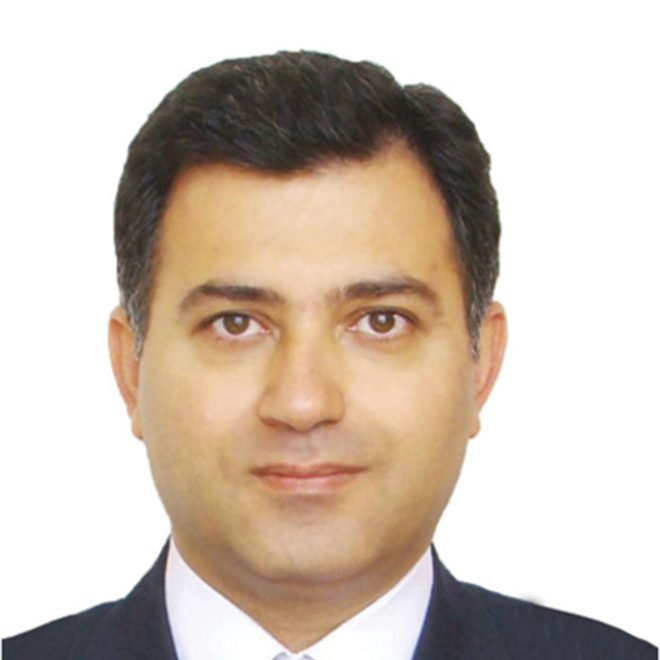
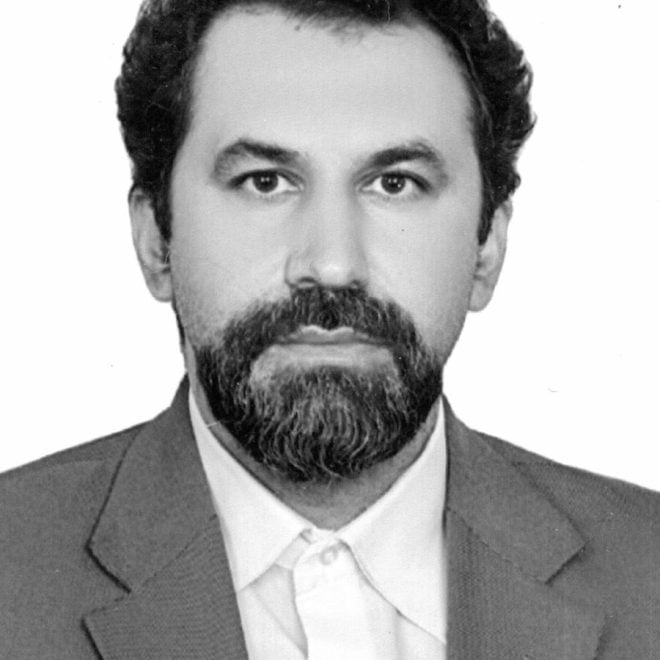
Lecturers






About Pars University
Pars University of Architecture and Art, with its emphasis on modern education, experienced and prominent faculty, and collaboration with leading international universities, offers a dynamic and inspiring environment for nurturing the future generation of the country.
The university’s approach is to combine the essence of Iranian architecture and art with modern technologies. Its teaching methodology integrates theoretical knowledge with hands-on experience and real-world projects. This provides students with an opportunity not only to master theoretical foundations but also to significantly enhance their practical skills and creativity.