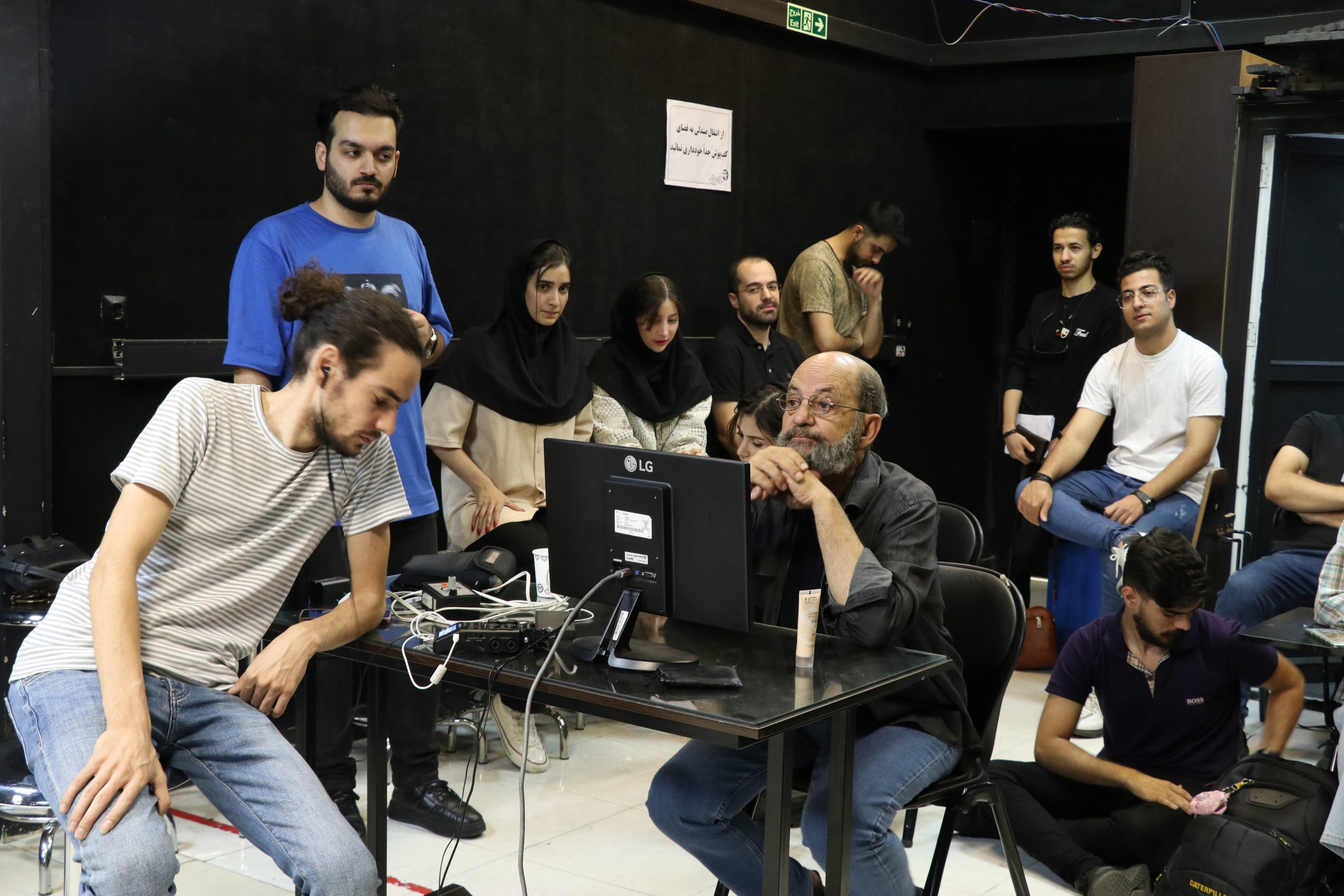
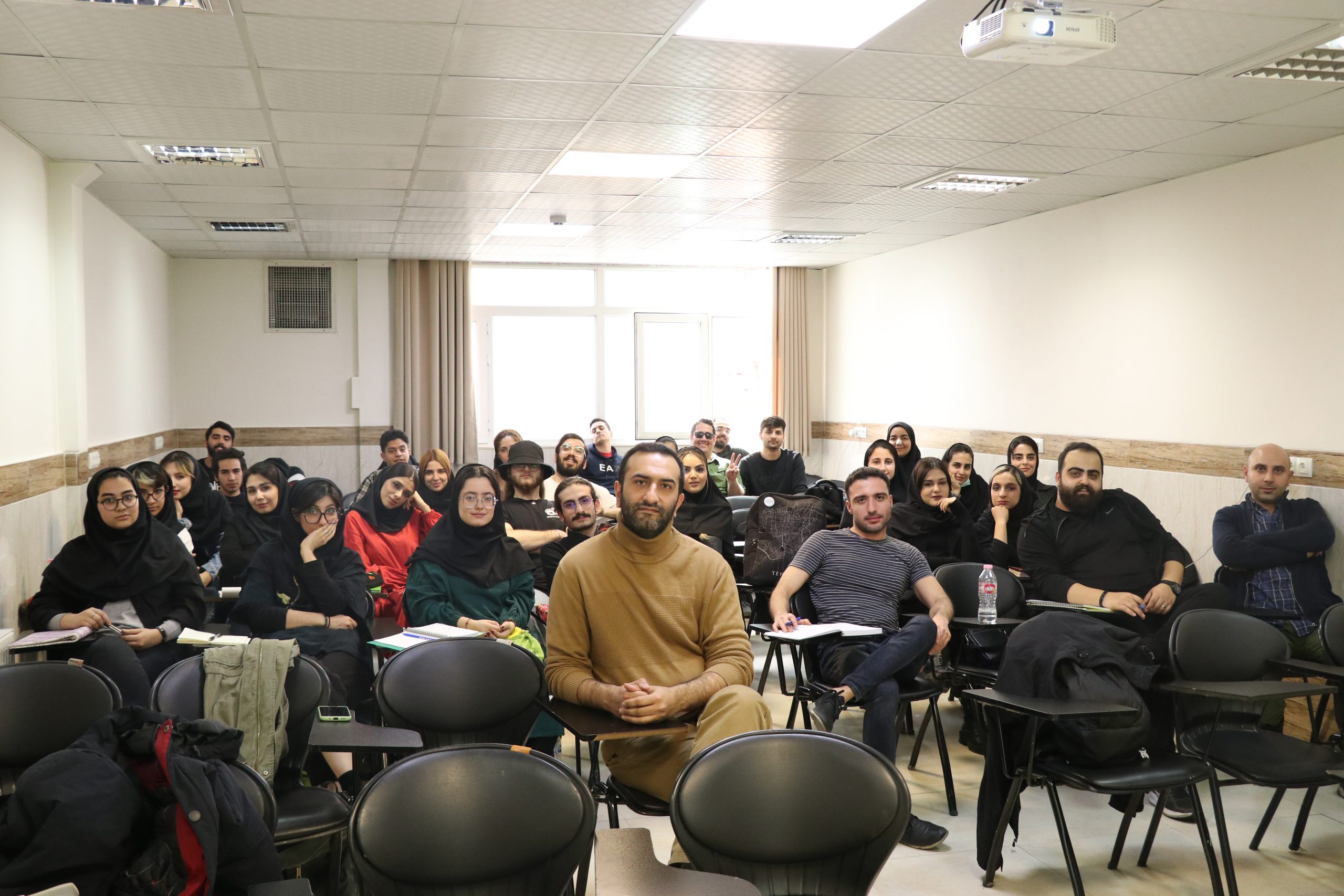
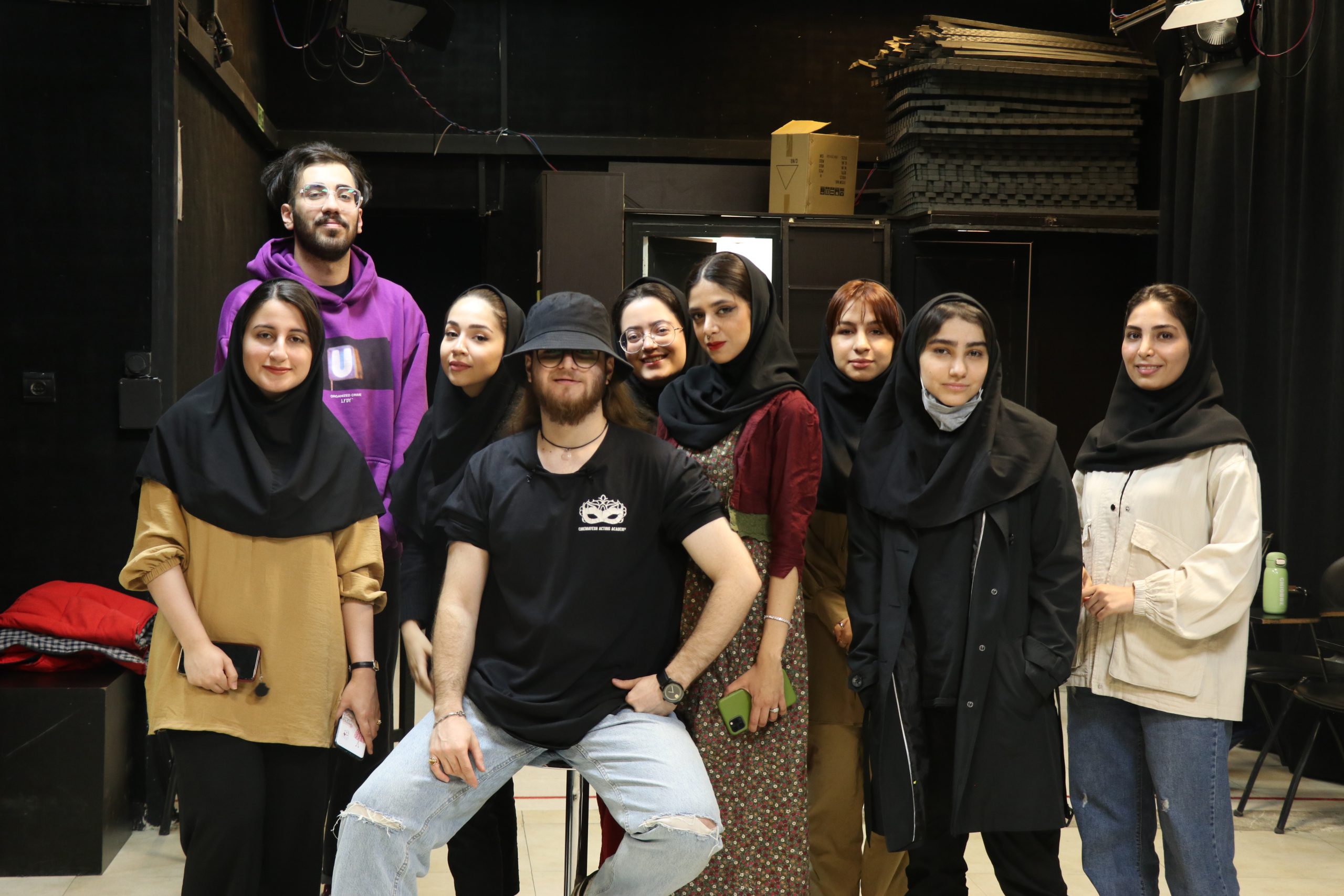
Acting (B.A.)
The purpose of creating the acting major and training its graduates is to develop individuals who can use their art in various media such as theater, cinema, television, and radio to promote the culture and art of our country and contribute to the intellectual maturity of society.
Academic theater education at the university provides an opportunity for aspiring actors to learn acting skills in a structured and scientific environment, along with the skill of creative expression in front of live audiences.
Acting and directing are fields that benefit from the teachings of others and then create on their own. An actor and director must have significant flexibility, as they cannot work alone. An actor must be creative and innovative, have a clear and steady voice without tension or tremor, good physical readiness, a dynamic thought process, and strong emotions to be able to imagine and recreate the mental space of a performance.
About the Field
An actor is the master of the stage! Ultimately, theater requires an actor and a stage to take shape. An actor is the only artist who has no tools other than themselves! Unlike a painter who has a brush and canvas, a composer and musician who have instruments, or a sculptor who has external materials, an actor creates art from their own being, both materially and spiritually. Sometimes it is thought that acting is merely about becoming a star, but the reality is that an actor, in its true sense, is a philosopher who understands the language of the stage and a performer who knows theory. Such an actor can be called an actor/author, an actor who is also a director, an actor who is the author of what happens on the theater stage or in front of the camera.
A bachelor’s degree in acting, as one of the branches of theater, is a field that seeks a specific path for training future actors and directors. In this branch, students become equally familiar with acting and directing, pursuing these two processes within the context of theory, literature, philosophy, and criticism. The acting branch, as a theatrical discipline, has always been popular among the general public. However, the reality is that only the names of those who are passionate about the stage, those who humbly devote themselves to the world of visual storytelling and equip themselves comprehensively with the tools of theory and practice, will endure in this profession over the years.
Skill Areas
Mastery of expression, body, motor skills, and rhythm recognition, as well as stage directing and performance abilities, are considered fundamental goals of this field. Having intelligence and creativity, understanding and analyzing plays, recognizing stage positions, and the ability to communicate with other performance elements are among the most important skills for any actor. The acting field is a comprehensive collection of theater, bringing together all the elements of theater in one place. Intelligence and creativity are essential for success in this profession. An actor may need to use their creativity to succeed in their role, quickly memorize the script, and rapidly connect with team members and the filming process. Graduates of this field can work as directors and actors in stage performances, on camera in cinema, television, and other media, in radio shows and podcasts, as well as performers, voice actors, and more.
Job Opportunities
Graduates of this field can work as directors and actors in stage performances, on camera in cinema, television, and other media, in radio shows and podcasts, as well as performers, voice actors, and more.
Lecturers


Courses
Advanced Acting and Directing Workshop, Contemporary Theories in Eastern Drama, Contemporary Theories in Western Drama, TV Show Directing, Principles and Basics of Communication, Watching and Analyzing Performances, Myth and Drama, Light and Sound in Drama, Aesthetics of Art, Personality Psychology, Music in Drama, Basics of Stage Design, Music Recognition, Basics of Acting, Basics of Philosophy, Mask and Makeup, Rhythmic Movements, Basics of Directing, Acting Workshop, Solfège and Singing.