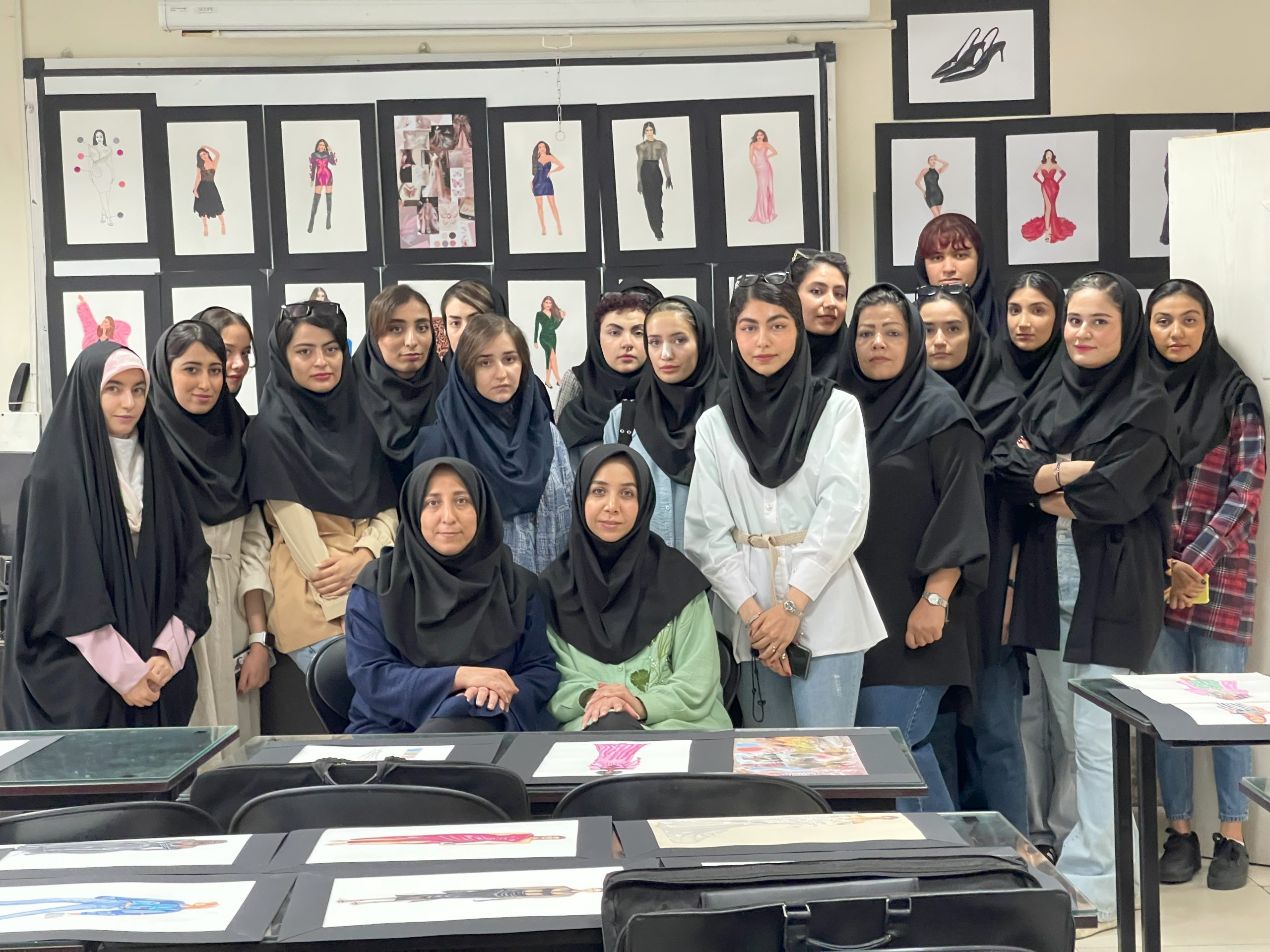
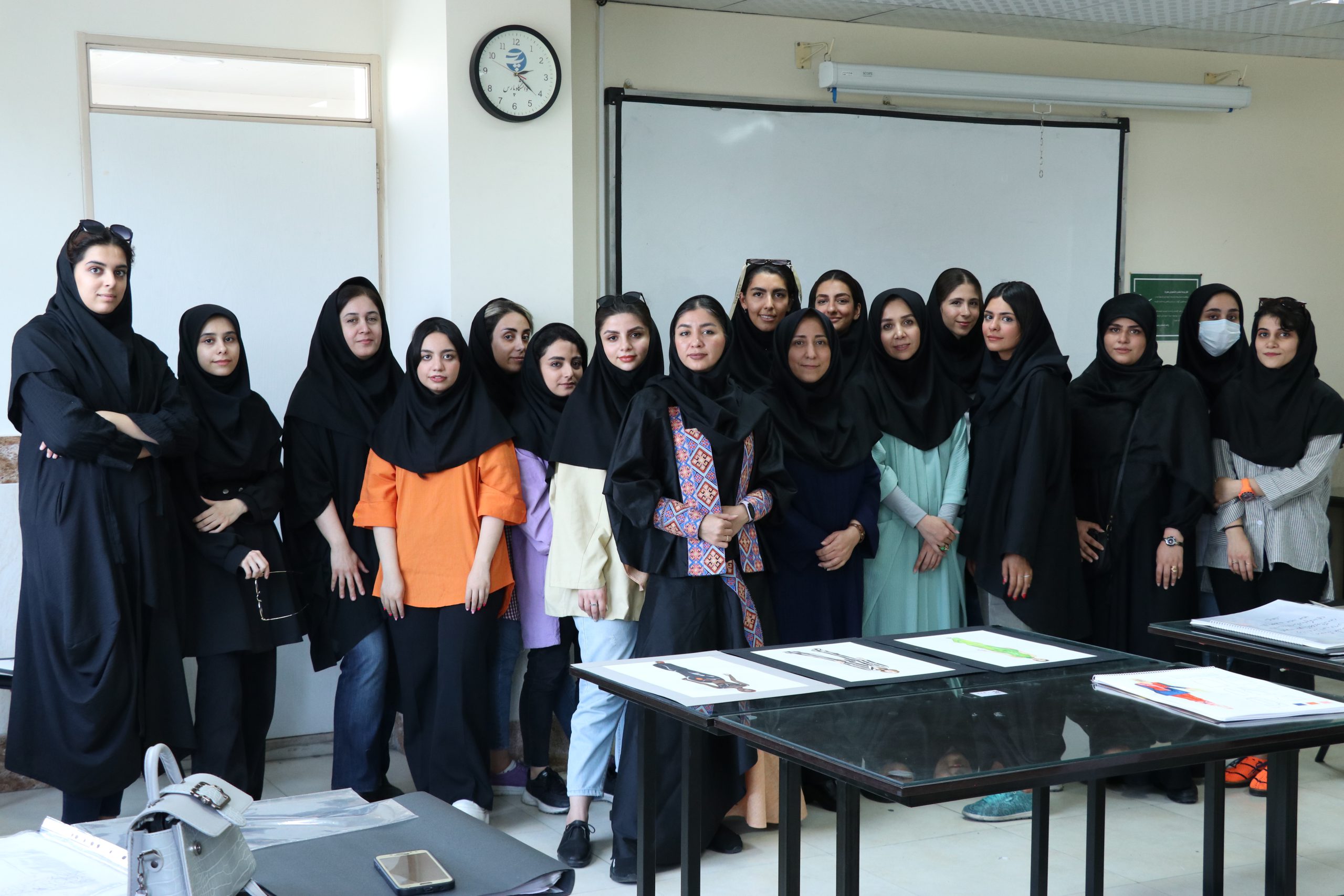
Fashion Design (B.A.)
Fashion Design (B.A.)
Throughout history, clothing has always reflected culture, ethnicity, traditions, personality, and social status, which is why it has held such great value and significance. Today, fashion design has become a global industry and is recognized as a prominent profession in many developed countries.
Several nations, including Germany, China, Spain, Bangladesh, Turkey, South Korea, and Brazil, have established themselves as centers of large-scale apparel production, generating substantial revenues through the clothing industry. In recent years, the strong presence of Turkey and Spain has further highlighted their role in this sector. Pakistan and India, with their abundance of highly talented designers, have also gained recognition in the field to some extent.
The art of fashion design—using creativity to bring garments to life—is deeply influenced by the cultural and social characteristics of nations, which gives rise to remarkable diversity across different societies.
Since fashion design reflects the social and economic conditions of a society, designers must always take into account the cultural context and intended audience for each garment. What they create should embody both beauty and desirability while remaining aligned with the cultural values of the community. This necessity makes the establishment and development of academic programs such as Fashion Design increasingly important in our country.
In this regard, Pars Institute of Higher Education in Architecture and Art, as the only institution offering this program at the Bachelor’s completion level, is committed to enhancing the academic standards of associate degree graduates in this field. The program aims to train individuals with both theoretical knowledge and practical skills in fashion design and the apparel industry, while fostering creativity and nurturing talent. In doing so, it seeks to make a meaningful contribution to preserving the cultural identity and national heritage of our country.
Creativity, spatial imagination, and a precise, detail-oriented perspective are among the most essential qualities of a fashion designer.
About the Field
Throughout history, an individual’s clothing has been a reflection of their ethnicity, beliefs, culture, and personality, and a person’s value was initially judged by their attire. Graduates in this field hold a very good position in today’s society because they help preserve culture and nationality and are always striving to produce the most practical and best clothing. A fashion designer, during their studies, becomes familiar with various clothing designs for different individuals and environments. In fact, the clothing of a country reflects its culture, and to preserve this culture, specialized study in such fields becomes important.
It should be noted that fashion design is an interdisciplinary field. In addition to skills in understanding and recognizing different fabrics and textures, being aware of the market and commercial competitors, and having an interest in following fashion trends and sewing skills, it also encompasses various aspects such as management, photography, advertising, and branding. Fashion design is of two types: practical design and fashion design. Practical design includes designing clothes for different professions and groups in society, such as athletes and the military. Fashion design is more about personal taste, where the designer showcases their creativity so that others can take inspiration from their designs and bring new works to the market.
Fashion design is one of those professions where individuals can progress with personal investment and experience. Since Iran is a young country and young people like variety in clothing, many people, relying on their creativity and setting up tailor shops, make good progress in this profession. After gaining experience, fashion designers will be recruited by large clothing production factories (various brands). The field of fabric and clothing design is practical and has three specializations: clothing design, fabric printing design, and fabric weaving design. Students in this field choose one of the specializations from the fourth semester after completing about 50 credits. A student specializing in clothing design should be familiar with design, artistic principles, and technical drawing.
Skill Areas
A fashion designer has the creativity and ability to implement and execute their mental ideas alongside design skills such as manual design skills, computer skills, and technical skills like pattern making and sizing, predicting color trends, fabrics, and the ability to prepare a mood board from ideas, which includes items such as fabric pieces, colors, and various photos to shape the main idea.
Job Opportunities
Graduates of this field can be employed in design companies, clothing production and distribution firms, bags and shoes, etc. They can also work independently. With enough experience, skill, and capital, they can start their own clothing design or production company. Below are some of the career fields mentioned:
- Custom tailoring (providing designs for clients and sewing them)
- Consultation on suitable designs and clothing according to a person’s body
- Presenting new designs for fabric production
- Designing and printing various fabrics
- Supervising production units in textile factories
- Participating in the dyeing section of factories to determine fabric colors
- Designing clothes for government institutions
- Costume design in theater and cinema
Professional Desirability
We always use clothing; therefore, fashion designers will never be out of work. If they have good ideas that are appropriate, they will quickly find a suitable place among their customers.
The Necessity of This Profession
A fashion designer must understand why a garment is compatible with a society. Also, based on technical principles and techniques, as well as using creativity and personal abilities, they create something new. Given what has been said, it is clear that society needs specialists for such professions.
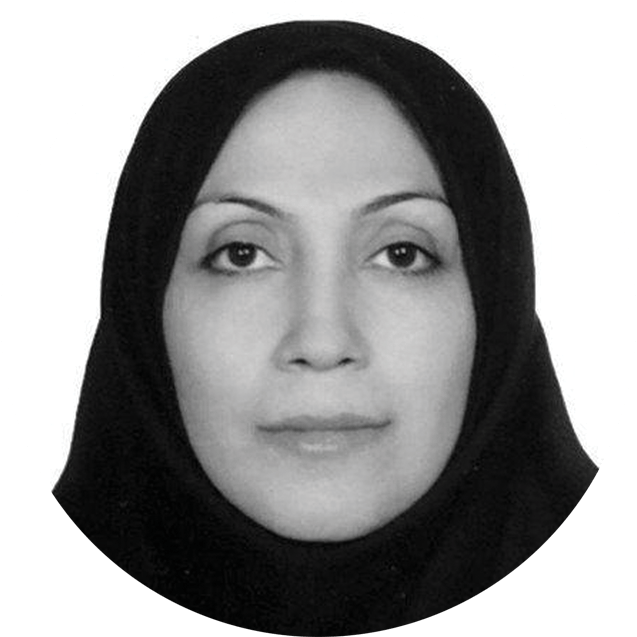
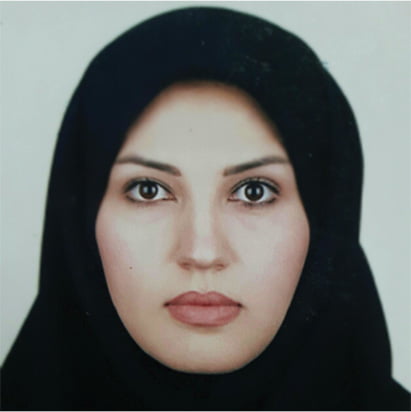
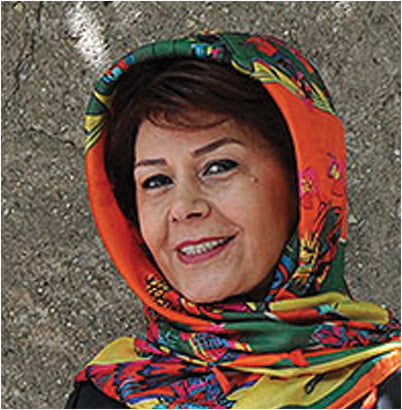
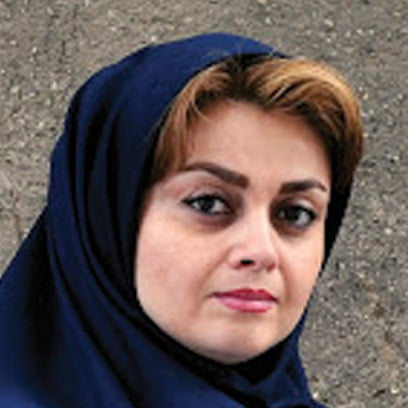
Lecturers






Courses
Basic Courses
- Design
- Fundamentals of Visual Arts
- Introduction to Art in History
Main Courses
- History of Textile and Fabric
- History of Iranian Clothing
- History of World Clothing
- Understanding Fibers and Fabrics
- Traditional Sewing
- Computer Applications in Clothing Design
- Computer Applications in Pattern Design and Mannequin Pattern Making
Specialized Courses
- Clothing Design
- Pattern Making
- Sewing
- Semiology (Symbolism)
- Application of Color and Fabric in Clothing Design
- Marketing and Economics
- Industrial Pattern Design
Gallery