

Dramatic Literature (B.A.)
Dramatic Literature
Dramatic literature is a genre of literature that is arranged and written for performance on theater stages or other venues, including plays, screenplays, passion plays (ta’zieh), and similar texts.
The field of dramatic literature deals with the traditions and history of theatrical literature both in Iran and worldwide, while also addressing the principles, techniques, and methods for writing dramatic texts. Dramatic literature acts as an intermediary between literature and stage performance with a literary-dramatic approach. Considering the rich Persian literary heritage, this field has great potential for growth within our country.
The objective of the field of dramatic literature is to educate specialists who have the ability to write various types of theatrical texts within Persian cultural spheres and are proficient in critique, analysis, and research.
A student in this field must possess good writing skills and precise knowledge about economics, psychology, sociology, culture, and Iranian and global literature. They must also be patient, as writing a play can take days or even months.
About the Field
Theater performances, films shown on cinema screens, series viewed through television or computer screens—all of these share one common element: the script! Without a dramatic text in any form, there would be no visual representation. Behind every work that is presented, there is undoubtedly a creative mind that has expressed its ideas and thoughts through scenes, characters, dialogues, and more. Let’s not forget: the writer is the mastermind behind every visual work, whether fictional or non-fictional!
Dramatic literature or dramatic arts generally refer to those literary texts written to be performed as stage theater, puppet shows, cinema, television, and other mass communication media. In fact, anything that serves as a screenplay, play script, performance text, or any other form is classified as dramatic literature.
The academic field of dramatic literature is thus a kind of interdisciplinary education that links literature to theater, cinema, and television. The field of dramatic literature is a convergence point for philosophy, literature, culture, history, theater, and media. Those who study in this field will effectively become multidimensional experts who have mastery over Iranian culture and history on one hand and are well-versed in world theater history and literature on the other, while also correctly understanding theater, cinema, and the picture frame. Experts who, despite being familiar with a wide range of literary and performance knowledge, will all have one thing in common at some point.
Skill Areas
Writing a dramatic text is a natural need for those studying in this field—the need to express what goes through one’s mind, the need to convey ideas and thoughts through a dramatic text! Although becoming a full-time writer largely depends on personal talent, studying dramatic literature provides those who love both literature and drama simultaneously with the opportunity to become experts proficient in the writing process.
Job Opportunities
Graduates of this field will have numerous job opportunities across all performing arts. A graduate in dramatic literature can work as a playwright, screenwriter, radio playwright, and podcast writer in both private and public sectors. Additionally, a dramatic literature expert can work as a dramaturge, editor-in-chief, script consultant, or even as an advertising consultant or content creator. Today, producers in broadcasting and cinema are increasingly seeking strong and executable dramatic texts, which highlights the job prospects for graduates of this field. Students and graduates can also work as screenwriters, researchers, writers, and newspaper editors.
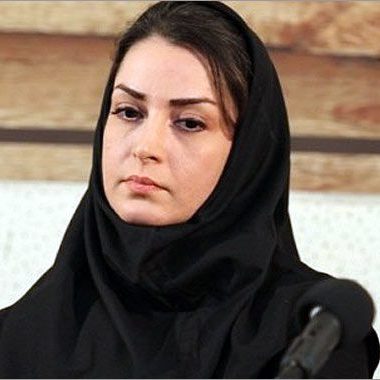
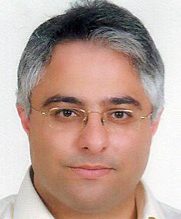
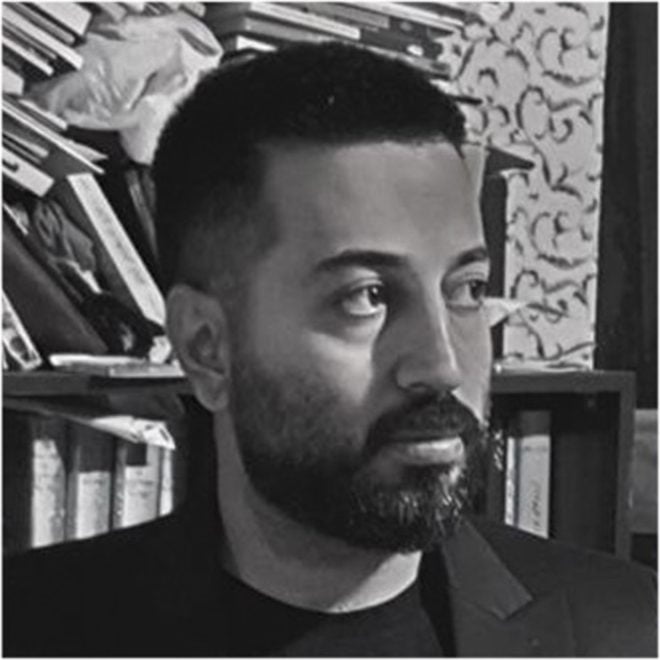
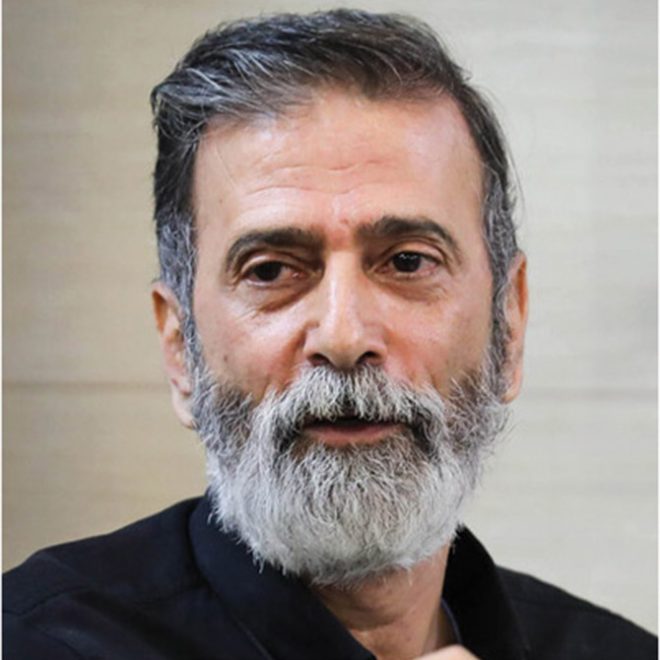
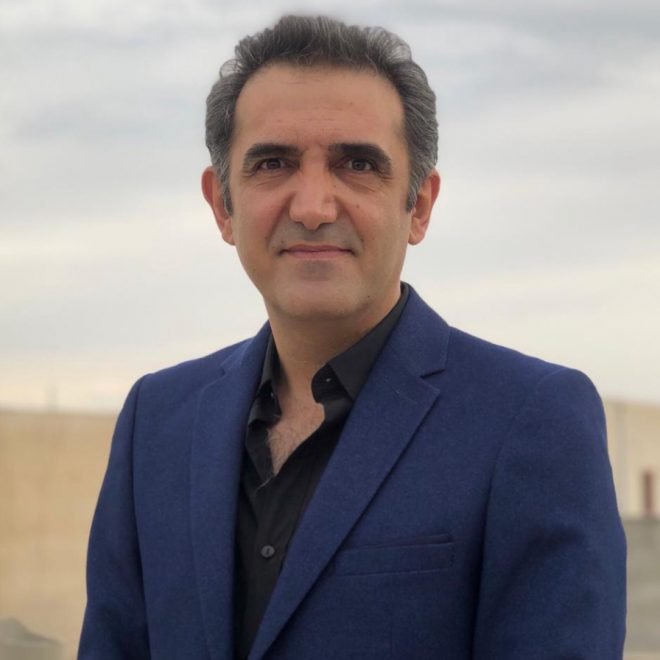
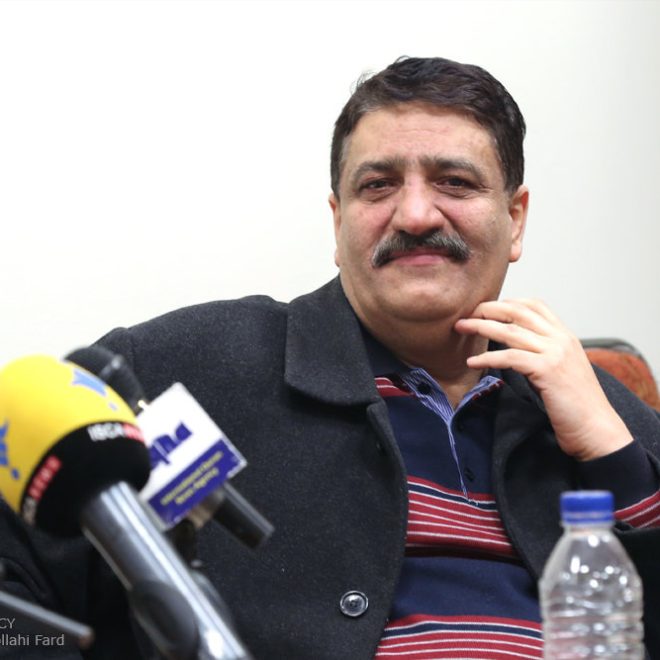
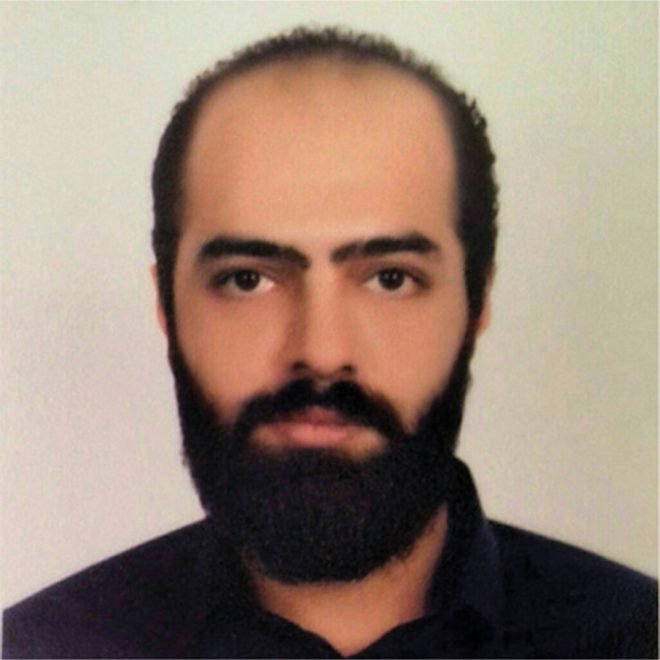
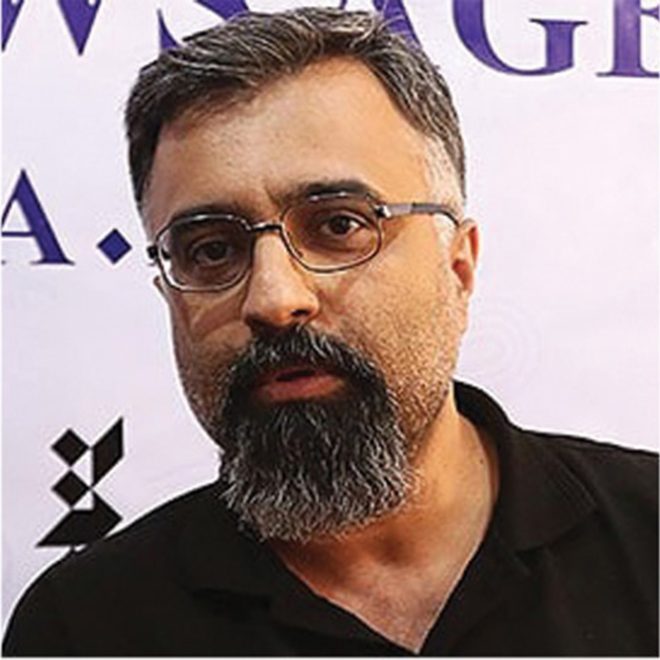
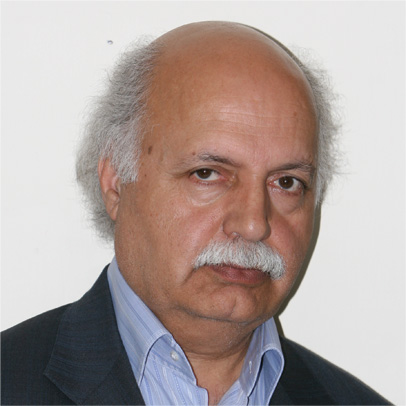
Lecturers







Courses
Some specialized courses include: writing, storytelling, screenplay writing, analysis of Persian texts, play analysis, watching and analyzing performances, dramatic literature in the East, history of Iranian and world literature, history of Western and Eastern philosophy, history of American theatrical literature, playwriting for radio, playwriting for television, classical European dramatic literature, principles and techniques of playwriting.
Gallery
