Industrial Design (B.Sc.)
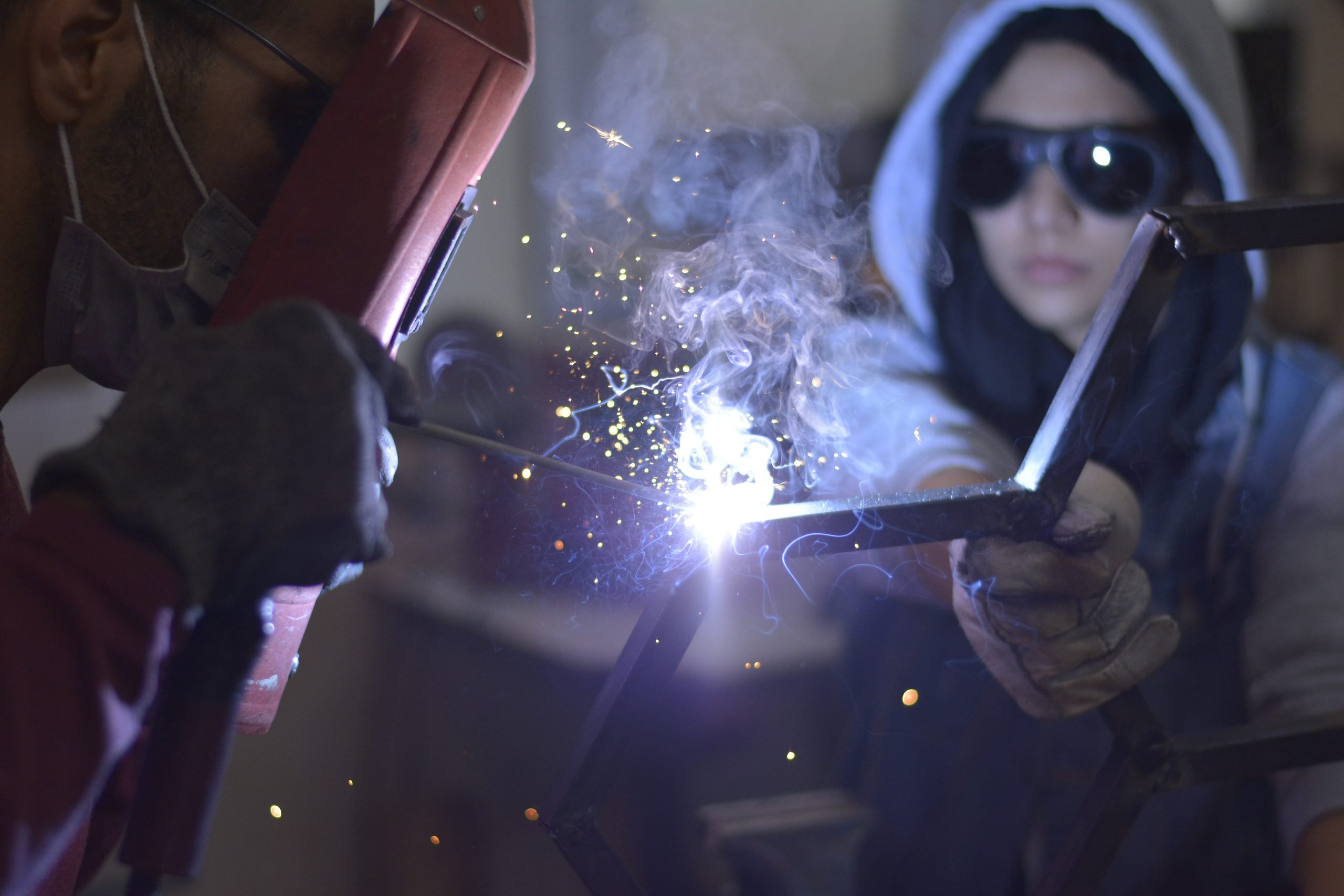
Nowadays, industrial design, as a modern field in Iran and the world, has become one of the most attractive university majors (both technically-engineering and artistically) due to addressing one of the most essential needs of societies. Design (or Design) as a culture of dealing with technology alongside the culture of architecture and engineering is independently forming and evolving globally. Industrial design students simultaneously acquire artistic creativity and technical-engineering topics, designing and modeling products, services, and systems needed by society, and enhancing their surroundings from the perspectives of human factors, usability, and aesthetics.
This field involves a three-way interaction between culture, technology, and humans, and through this interaction, it has the capability to impact various areas (from product design to furniture and equipment). In Iran, this field has multiple orientations, from product design and communication design to interior design, furniture design, and culture-based design.
About
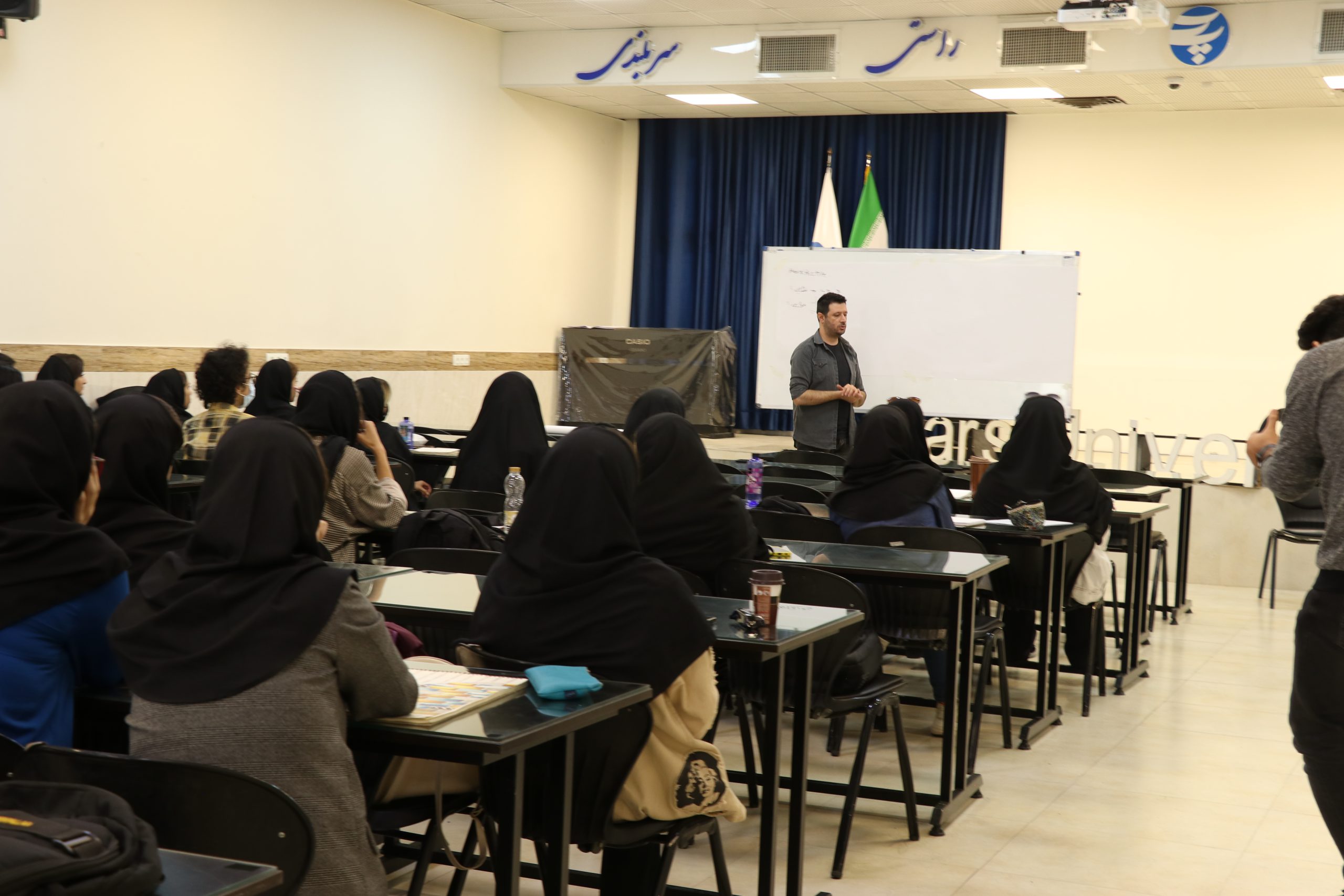
Industrial design students at Pars University benefit from the presence of specialties such as visual communication and fashion design at this university, allowing them to experience a suitable workspace and creativity for culture-based orientations. On the other hand, industrial designers inclined towards more technical orientations can utilize the existing capabilities at this university in areas such as architectural technology, industrial architecture, and human-computer interaction (HCI) to meet their needs through practical projects and student theses, thus ensuring their presence in the job market related to their orientation. The presence of industrial design students alongside experienced professors and the use of modern methods in design education has created a friendly and efficient environment for enthusiasts of the industrial design major at Pars University.
Industrial Design
Industrial design refers to the design of all tools, equipment, and products used by humans, from kitchen utensils to computer systems, cars, furniture, etc., which are produced in factories. An industrial designer is someone who combines science and art to create new products or design new applications for tools. The minimum education required to enter this profession is a bachelor’s degree. In Iran, industrial design is a subset of the arts group and is offered in a semi-centralized manner. It is important to know that experience in this field is very important. Therefore, you can start your professional activities during your student years so that after graduation, you have a practical resume and can enter the job market more easily. Learning computer skills such as working with software like 3D Max, Rhino, and other 3D programs will help you present better designs. Additionally, participating in international industrial design competitions will help you become more recognized. Ultimately, you can establish a company under your own name. Industrial designers, depending on their field and work area, interact with individuals related to that field. For example, if you are an industrial designer of children’s items, you will collaborate with doctors, child psychology specialists, etc., to design suitable items for children.
Job Fields
- Ideation for innovation
- Designing new products considering local culture and regional economy and addressing the shortcomings of previous products
- Architectural design of home, office, and commercial furniture
- Prototyping and computer-aided design
- Supervising the construction and quality of goods
- Supervising the packaging of various goods and products
Professional Requirements Industrial design, due to its breadth, has a lot of variety, and its practitioners do not feel tired or bored for years. Practitioners in this field are actually the inventors of many tools and can help each country achieve independence and self-sufficiency by presenting new designs.
The Necessity of This Profession Today, industrial designers around the world strive to design products that do not harm nature and are recyclable. This is also one of the points that many companies pay attention to, highlighting the importance of this profession.
Lecturers














Courses
Field Courses
Basic Courses
- Fundamentals of Visual Arts
- Basic Photography
- Modeling
- Introduction to Art in History
- Geometry
- Applied Mathematics
- Design Workshop
- Sculpture
- Art and Civilization
- Form and Space
- Engineering Human Factors
- Physics
Main Courses
- Physics
- Industrial Drawing
- Design of Objects in Civilization
- Materials and Manufacturing Methods
- Computer-Aided Design (CAD)
- Technical Designing
- History of Industrial Design
- Evaluation of Industrial Production
- Economics Management of Industrial Production
- Sociology of Industry
Specialized Courses
- Packaging Design Project
- Rapid Prototyping Project
- Present and Future Design Project
- Bionic Design Project
- Industrial Design Process
- Engineering Human Factors
- Environment
- Furniture
- Communication with Factories