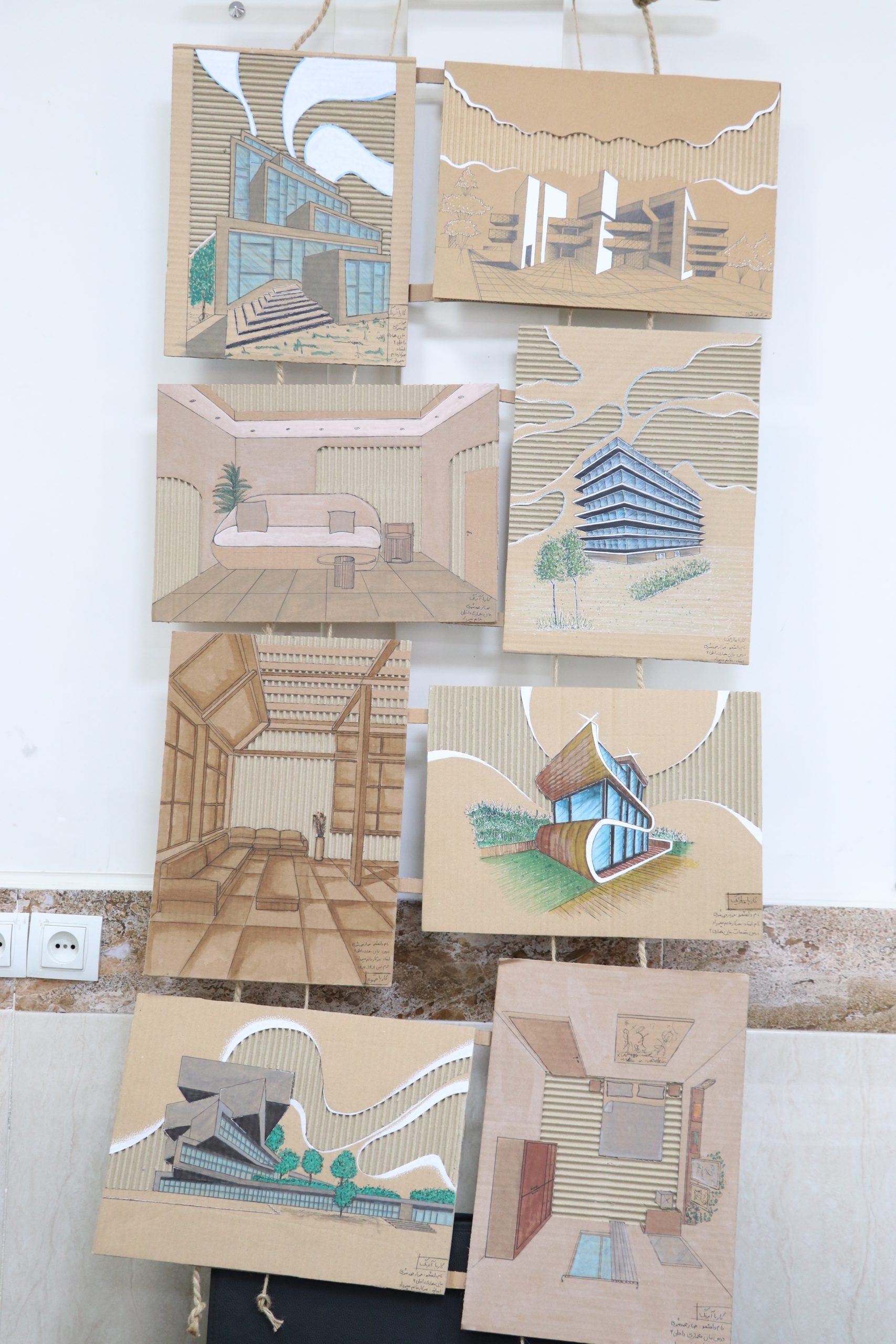
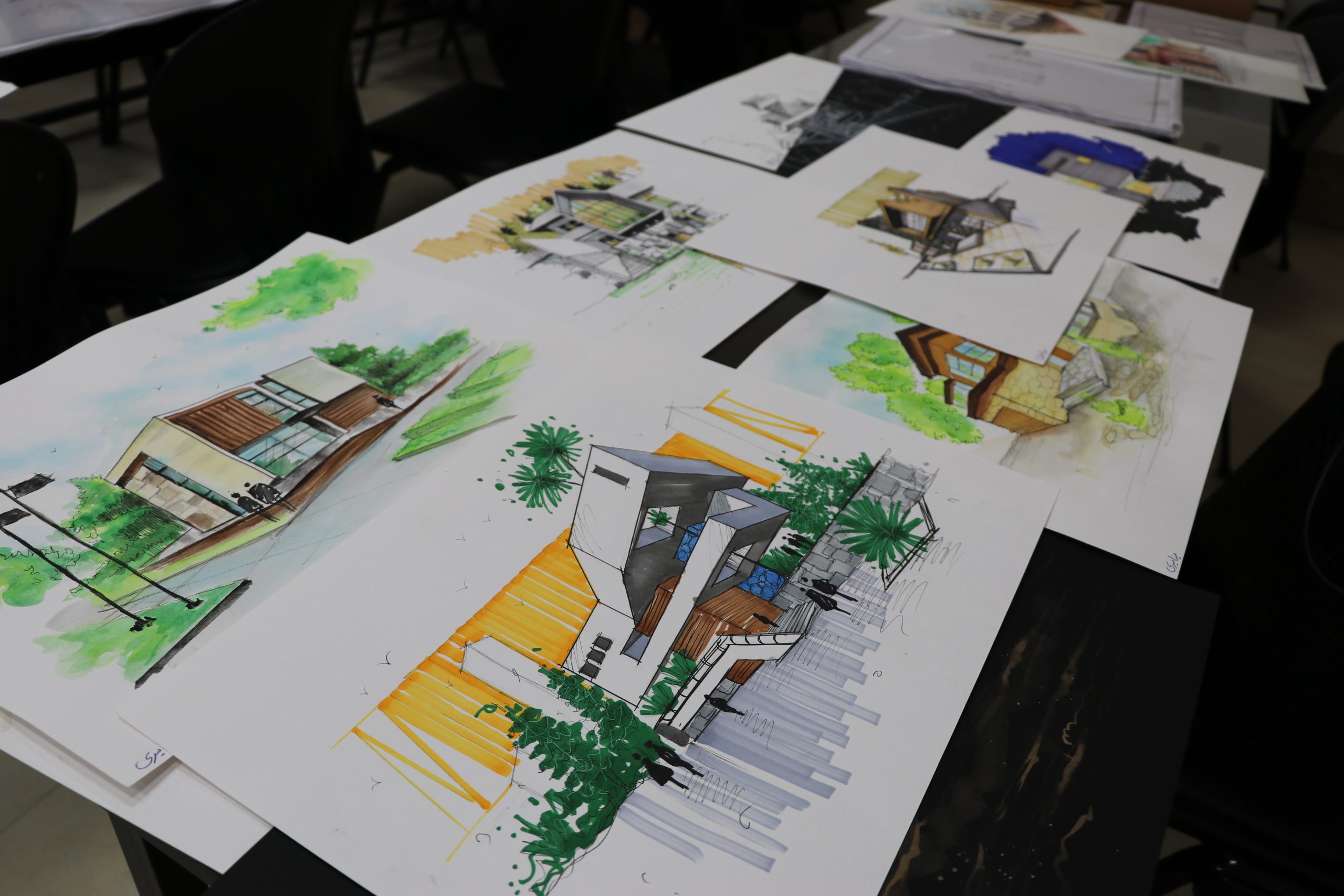
Interior Architecture (B.A.)
The goal of interior architecture (Interior Design) is to optimize the interior spaces of buildings to perform desired activities with the best quality. What gives a building its soul is its interior space. The internal characteristics of a building attract people and create a sense of belonging to the space. Therefore, providing comfort and living conditions inside a building is as important and influential as the exterior part of the building. The quality of the interior space directly affects how activities are performed within it and also influences people’s attitudes, mental conditions, and even personalities. Interior design, which lies between the two fields of architecture and design, encompasses functional, structural, and technical aspects as well as visual arts and aesthetic aspects.
About
About the Field
Interior architecture is the art of designing structures from the inside out or renovating the interior environment of structures with a specific goal in mind. Interior architecture and interior design are two very similar fields. In interior architecture, architects focus on the functionality and usability of space, considering structural aspects. The field of interior architecture optimizes the interior spaces of buildings for daily activities (living – working). Although interior design is now recognized as a specialty and covers a wide range, since this field is directly related to the interior spaces of buildings and daily life, understanding the basics of interior design and explaining its principles in a simple and practical language is a necessity. This is the goal that the Pars Institute of Higher Education in Architecture and Art aims to achieve so that graduates of this field can have a profound impact on the quality of living spaces in the country. Changing and optimizing the interior spaces of a building using tools, equipment, and colors that lead to the beauty and efficiency of these spaces is called interior architectural design.
Interior architecture is the “creation of space.” This field, on one hand, deals with buildings and their components like architecture, and on the other hand, emphasizes interior spaces like interior design. In interior design, designers focus more on creating an environment (finishing touches, furniture arrangement, coloring, etc.). Architects and interior designers must apply a set of similar skills in different ways. It can be said that in this work, experience is as valuable as education. Those who have studied interior architecture and graphic design learn many of the necessary subjects during their studies, thus they can enter related professions more quickly and easily.
Creativity is one of the most important characteristics of an interior architect, and in the competitive space of this field, creating new ideas plays a significant role. It can be said that in this work, experience is as valuable as education. Those who have studied interior architecture and graphic design learn many of the necessary subjects during their studies, thus they can enter related professions more quickly and easily. An interior architectural designer can start their work with a brief advertisement, but it is better to work as an intern in an interior architecture company for a while to have a portfolio and gain the necessary experience. Gaining experience and having more portfolios means that you are recognized in your work. When this happens, many clients will come to you. The professional interaction of this group is mostly with graphic designers, architectural engineers, and those who do construction work. They will also be in contact with sellers of architectural supplies.
Skill Areas
The field of interior architecture is suitable for individuals with high creativity, artistic taste, and strong imagination for ideation, who are interested in furniture and decorations of building interiors. The core topics discussed in this field revolve around these subjects.
Job Fields
The duties of an interior architect are very extensive. They may renovate a building, design the architecture of a home or workplace, or even participate in purchasing home items. In general, interior architects are responsible for the following tasks:
- Lighting design
- Painting
- Coordinating the color of items
- Calculating and adjusting level differences
- Spatial divisions
- Arranging items
- Estimating and surveying construction projects
- Designing the facades of various buildings
- Supervising the execution of construction projects
- Obtaining an engineering employment license
- 3D modeling and design of architectural projects
- Establishing a personal office for interior architectural design
- Designing the architecture and interiors of various buildings
- Teaching specialized architecture courses to students
Professional Desirability
This job is exciting and far from routine. It also impacts the personal lives of those employed in it. Interior architects can work on a project basis and part-time. In recent years, this work has gained significant popularity, and more people are using these services.
Necessity of the Profession
One of the biggest complaints people have is the suffocating and closed nature of apartment spaces. By paying attention to a few small visual aspects, these closed and suffocating spaces can be made more lively and the living space more open. An interior architect knows how to make the best use of the smallest spaces.
Lecturers














Courses
Courses and Skills
Basic Courses Courses such as Fundamentals of Architecture, Photography, Applied Geometry, Mathematics and Statistics, Form and Space, Geometry of Landscapes and Perspectives, Fundamentals of Interior Architecture, Symbolism, Introduction to Architectural Design, Human Nature in Interior Architecture, and Ergonomics.
Core Courses Courses such as Material and Construction Knowledge, Volume Studies and Model Making, Introduction to Architectural History, Introduction to Islamic Architecture, History of Furniture, Environmental Condition Regulation, Garden Design, Mechanical Installations, Legal and Ethical Theory in Interior Architecture, Estimation and Surveying, and Landscaping.
Specialized Courses Courses such as Architectural Expression, Interior Architectural Expression, Interior Architectural Regulations, Interior Architectural Graphics, Architectural Design, Building Technical Principles, Modular Prefabricated Elements, Workshop Management, Introduction to Industrial Design, Restoration and Maintenance of Interior Architecture, and Functional Change in Interior Architecture.