Islamic Art (B.A.)
Islamic art, or the art of Muslims, refers to the part of art that has been prevalent in Muslim societies and clearly reflects the influence of Islamic and regional culture. Islamic art is considered one of the glorious periods in the history of art and one of the most valuable human achievements in the artistic field. The term “Islamic” refers not only to religion but also to the rich and diverse culture of the people in the lands where Islam is practiced. Islamic art often includes secular elements that have not been deemed forbidden by some Islamic scholars. It also refers to those artistic concepts and items that have emerged within Islamic societies under the influence of regional factors and local culture.
For art to be considered Islamic, both its form and meaning must align with the spirit of Islamic art. This means that the artist creates the work not just through technical skill but through their spiritual journey and understanding. Islamic art often focuses on creating beauty with abstract patterns and the use of calligraphy.
About
Islamic art, or the art of Muslims, refers to the part of art that has been prevalent in Muslim societies and has now spread to non-Muslim communities as well. Islamic art often focuses on creating beauty with abstract patterns and the use of calligraphy. A notable feature of Islamic culture and art is its wide range, covering North Africa, Central Asia, India, Eastern Europe, and Spain.
Artists seek to create a harmony between form and meaning by using richly decorated surfaces such as arabesque and geometric patterns, and calligraphy in art and architecture. This creates a unique type of decoration that is exclusive to Islamic art and unparalleled in any other art form. Artists aim to meet both the material and spiritual needs of humans in the creation of their artworks, blending technical skill with religious knowledge. Thus, the artwork, while having significant practical use, also possesses inner meanings and religious concepts.
The term “tradition” in its broad sense of religion is one of the important indicators of the presence of Iranian art in ancient and Islamic periods. The undergraduate program in Islamic Art is one of the higher education programs aimed at training specialized, thoughtful, and research-oriented individuals who, while being aware of the theoretical and practical foundations of Islamic art, contribute to its strengthening and consolidation.
The characteristics of Islamic art and culture in Iran during the Islamic periods are the result of the efforts and activities of artists nurtured within Islamic culture. The technical and aesthetic features of works from the Islamic period have always been aligned with the worldview of the Muslim artist. The Muslim artist seeks to create understanding and interaction between form and meaning and to meet the material and spiritual needs of humans in the creation of their artworks, blending technical skill with religious knowledge. Thus, the artwork, while having significant practical use, also possesses inner meanings and religious concepts. The term “tradition” in its broad sense of religion is one of the important indicators of the presence of Iranian art in ancient and Islamic periods.
Skill Areas
- Ability to review, analyze, and recognize authentic designs and patterns in relation to Islamic culture and thought.
- Ability to evaluate and appraise Islamic art.
- Acquiring skills in executing various stages of creating an Islamic art discipline from design to material selection and finalization.
- Ability to collaborate with government and private sectors.
- Ability to manage a unit or workshop from the initial stage through to the final stages.
- Understanding the global economy and market.
Job Fields Graduates of Islamic Art can work in organizations such as the Cultural Heritage Organization, Handicraft Industries of Iran, General Department of Handicrafts at the Ministry of Agriculture Jihad, Tourism Organizations, Foundation for the Disadvantaged and Veterans, General Department of Museums, and the Ministry of Culture and Islamic Guidance. They can also earn better income by setting up home workshops.
Professional Desirability Graduates with a Master’s degree in Islamic Art can work in research and investigative roles at organizations such as the Cultural Heritage Organization, Handicraft Industries of Iran, General Department of Handicrafts at the Ministry of Agriculture Jihad, Tourism Organizations, Foundation for the Disadvantaged and Veterans, General Department of Museums, and the Ministry of Culture and Islamic Guidance. They can also earn better income by setting up home workshops.
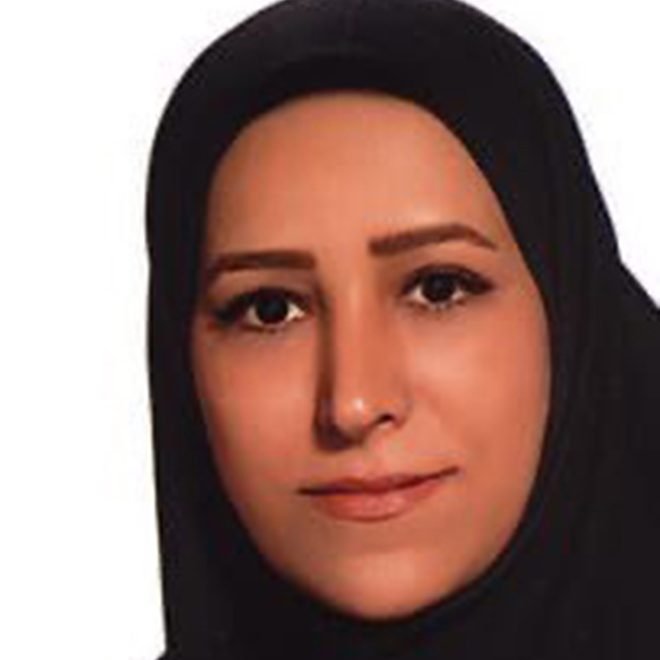
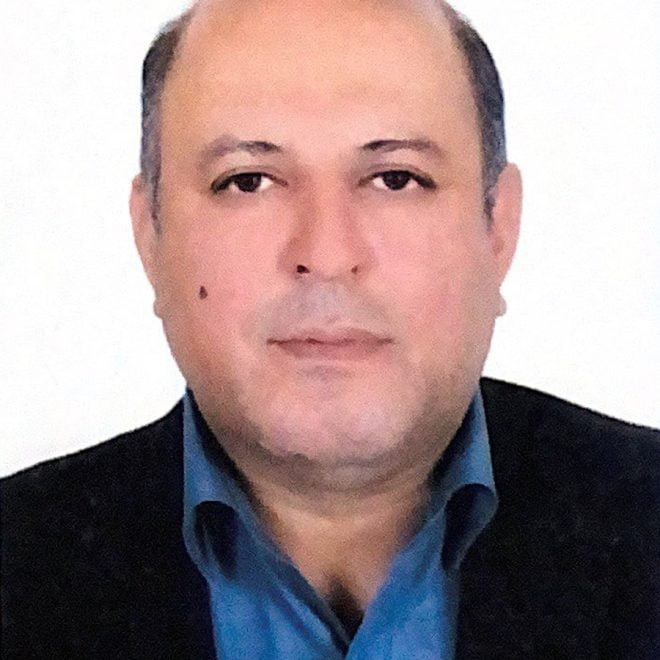
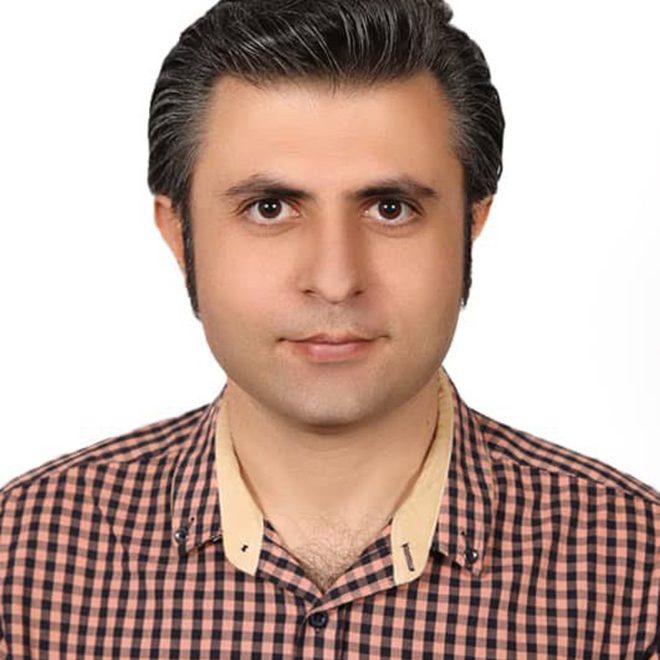
Lecturers




Courses
Basic Courses
- Basic Design Workshop
- Fundamentals of Visual Arts
- Introduction to Art in History
- Art in Islamic Civilization
- Review of Islamic Arts in the Contemporary Period
- Familiarity with Iranian Culture and Literature
- Human Nature Designing
- Photography Workshop
Main Courses
- Evolution and Development of Patterns and Symbols in Traditional Iranian Arts
- Research in Islamic Arts of Iran
- Geometry of Patterns in Traditional Iranian Arts
- Traditional Design Workshop
- Performance in Iran
- Understanding and Practical Evaluation of Islamic Arts of Iran
- Wisdom of Islamic Arts
- Principles and Origins of Calligraphy Lines
- History of Writing
- Foundations of Art and its Manifestations in the Quran
Specialized Courses
- Quality Control and Standards for Islamic Arts of Iran
- Traditional Design Workshop
- Internship
Gallery