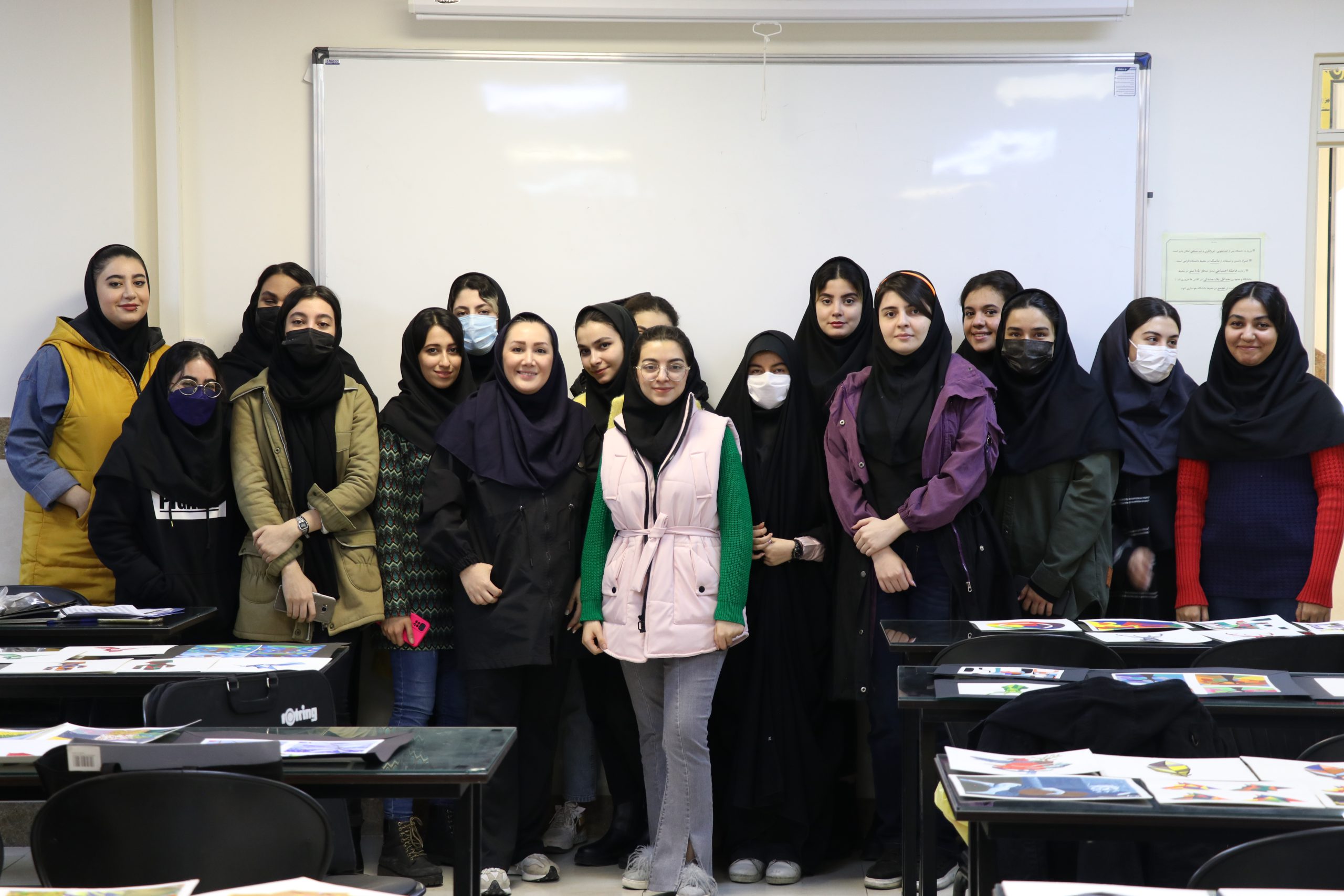
Master’s Degree in Textile and Clothing
Throughout history, clothing has always been a reflection of culture, ethnicity, traditions, personality, and social status, and therefore, it has held great value and importance. Today, fashion design is a global industry and is recognized as a prominent specialty in many large and advanced countries. Some countries, such as Germany, China, Spain, Bangladesh, Turkey, South Korea, and Brazil, generate significant income from mass production of clothing. In recent years, the strong presence of Turkey and Spain in this field has further highlighted these two countries. Pakistan and India are also somewhat recognized in this field due to their talented designers.
The art of using design to create clothing depends on the cultural and social characteristics of nations and varies greatly across different societies. Since fashion design symbolizes the social and economic status of a society, designers must always consider the target audience and culture for each type of clothing. This ensures that their designs are aesthetically pleasing and desirable while aligning with the culture of the society. The necessity of addressing this topic in the country makes the creation and strengthening of fields such as fashion design more essential than ever.
About
About the Field
Throughout history, an individual’s clothing has reflected their ethnicity, beliefs, culture, and personality, and a person’s value was initially judged by their attire. Graduates of this field have a very good position in today’s society because they help preserve culture and nationality and always strive to produce the most practical and best clothes. A fashion designer becomes familiar with various clothing designs for different people and environments during their studies. In fact, the clothing of a country reflects its culture, and to preserve this culture, specialized study in such fields becomes important.
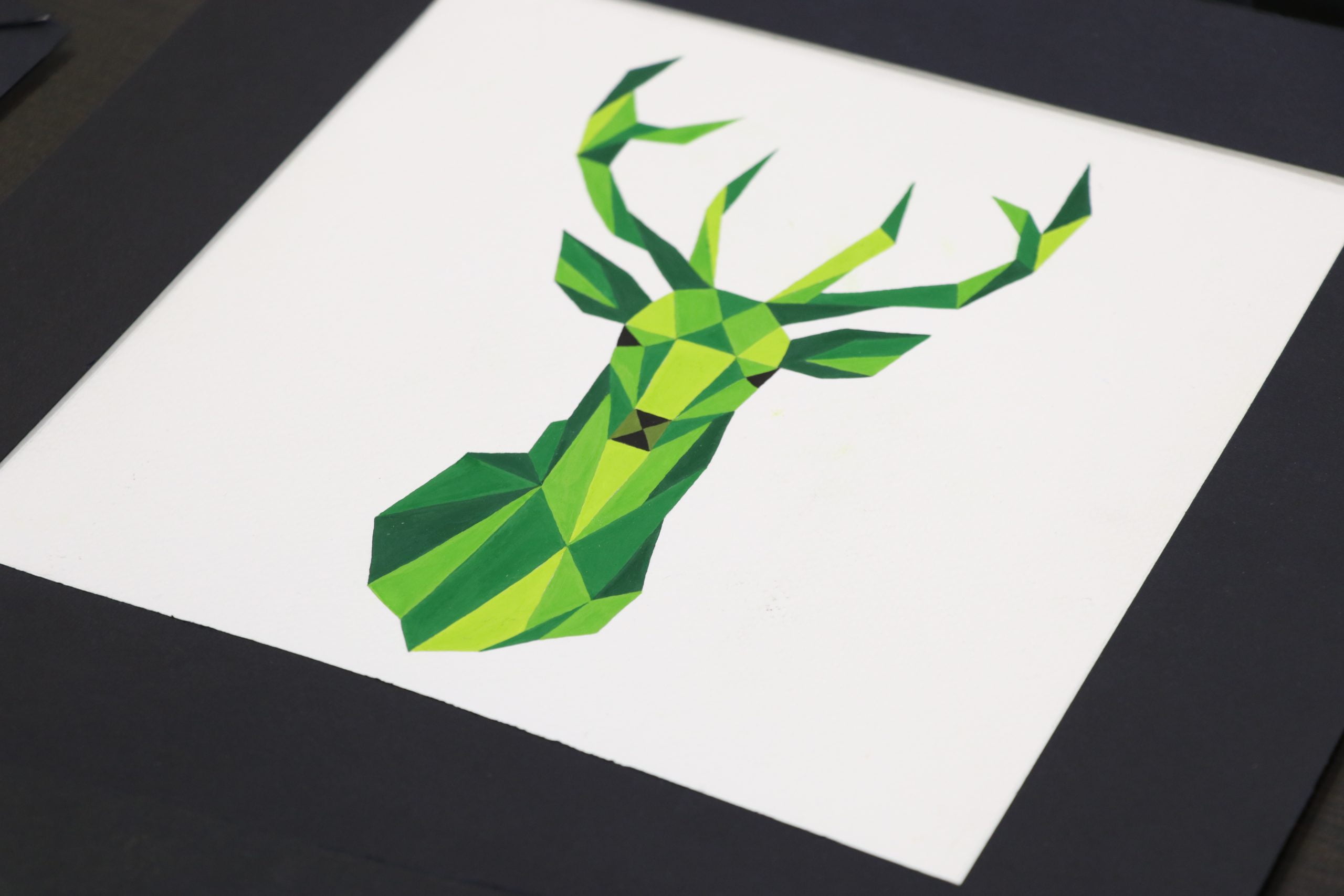
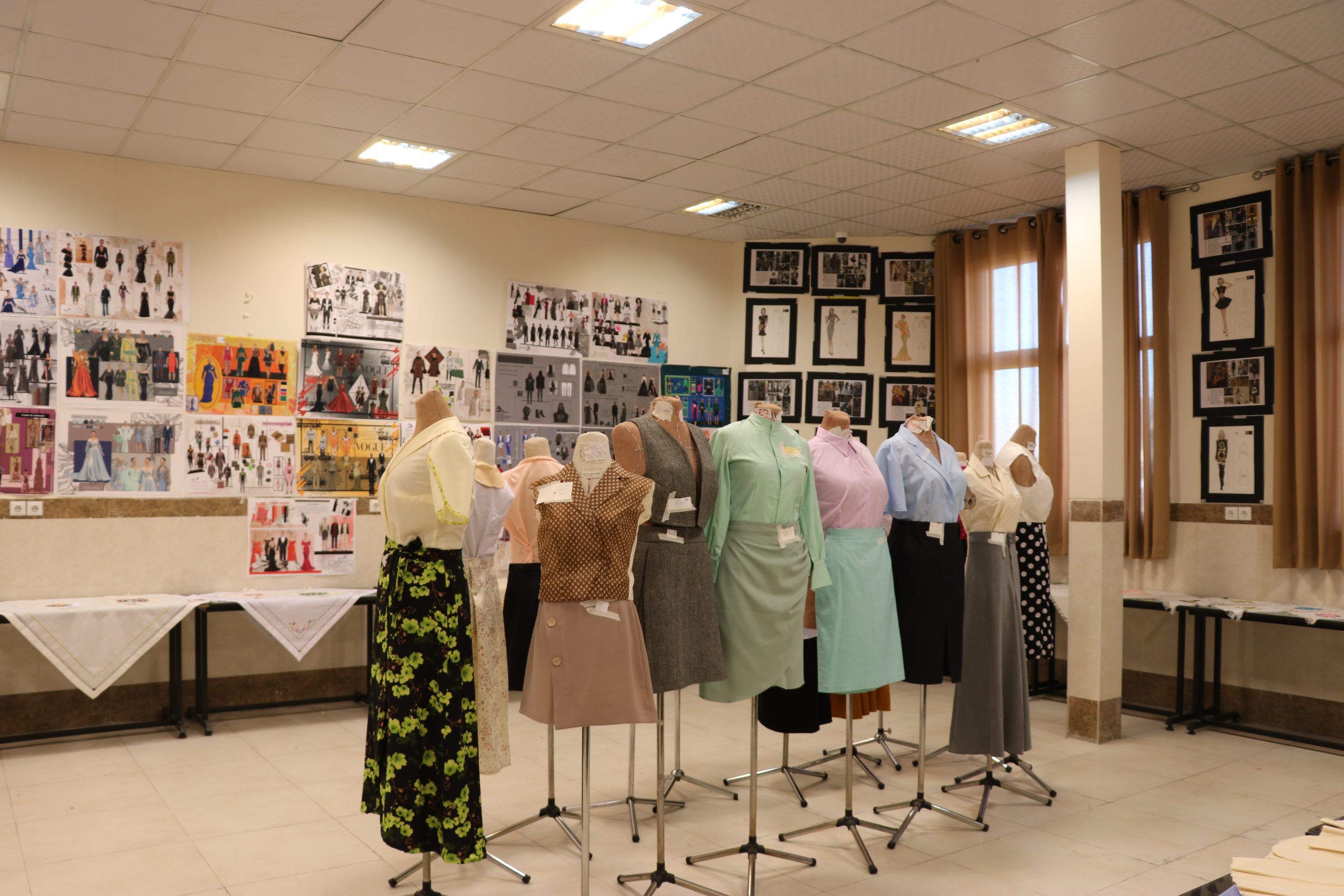
It should be noted that fashion design is an interdisciplinary field. In addition to skills in understanding and recognizing different fabrics and textures, market awareness, and knowledge of commercial competitors, it also includes an interest in following fashion trends and sewing skills, as well as management, photography, advertising, and branding. Fashion design is divided into two types: practical design and fashion design. Practical design includes designing clothes for different professions and groups in society, such as athletes and the military. Fashion design is more about personal taste, where the designer shows their creativity so that others can take inspiration from their designs and bring new ideas to the market.
Fashion design is one of those professions where individuals can progress with personal investment and experience. Since Iran is a young country and young people like variety in clothing, many people progress well in this profession by relying on their creativity and setting up tailor shops. After gaining experience, fashion designers will be recruited by large clothing production companies (various brands). The field of textile and fashion design is practical and has three specializations: fashion design, textile printing design, and textile weaving design. Students of this field choose one of the specializations from the fourth semester after completing about 50 credits. A student specializing in fashion design should be familiar with design, artistic principles, and technical drawing.
The Master’s degree in Textile and Fashion Design is one of the specialized postgraduate courses aimed at training the specialized workforce needed for the present and future of the country. Students of this course, through research and completing scientific information and acquiring the necessary artistic skills, will be able to work in various fields such as clothing design and sewing, textile printing design, and also designing and producing bags, shoes, and jewelry after graduation. On the other hand, environmental concerns, the use of new industries and materials, and the use of various software for textile and fashion design have brought many changes to this world, which requires learning up-to-date knowledge and having a broad and unlimited perspective.
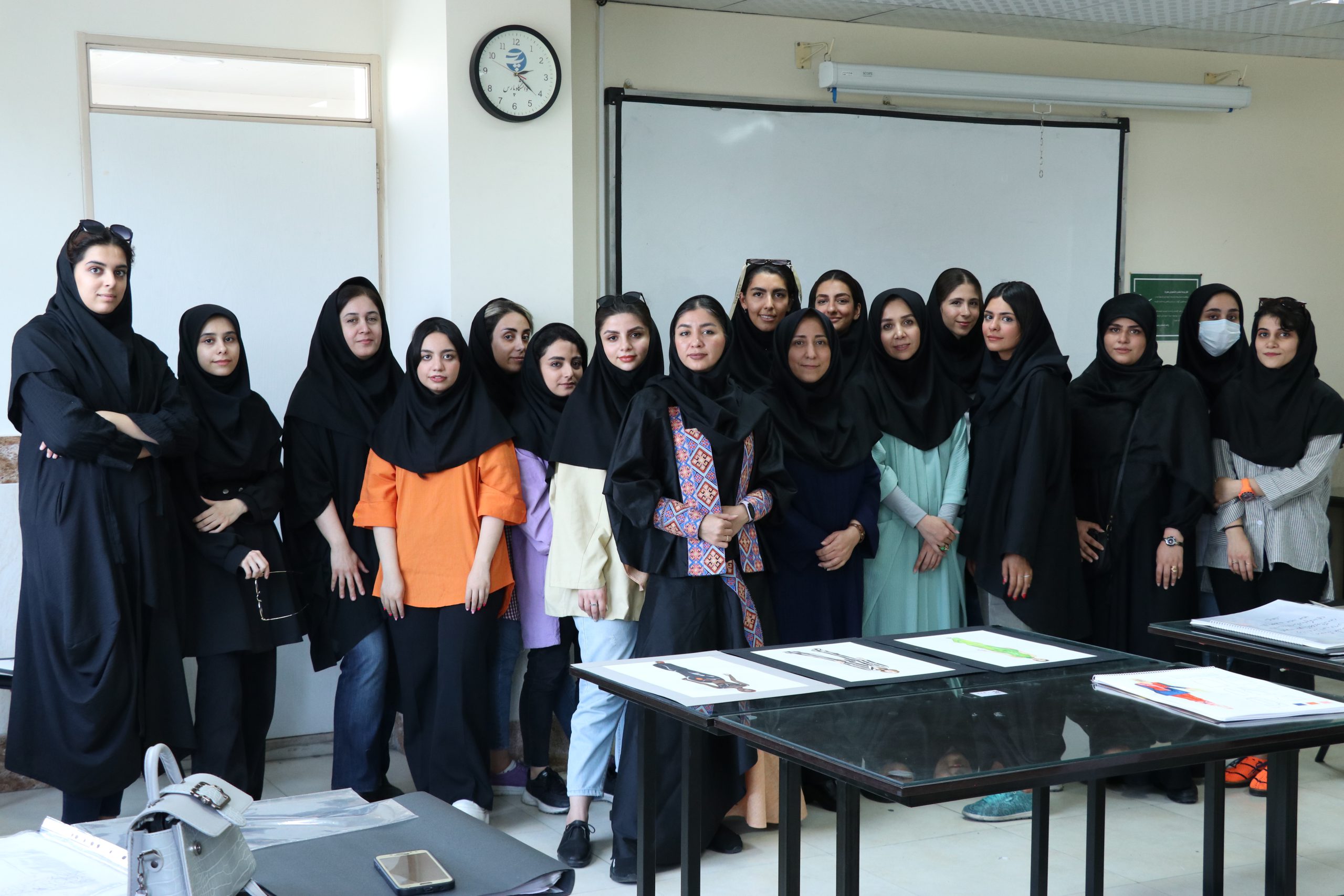
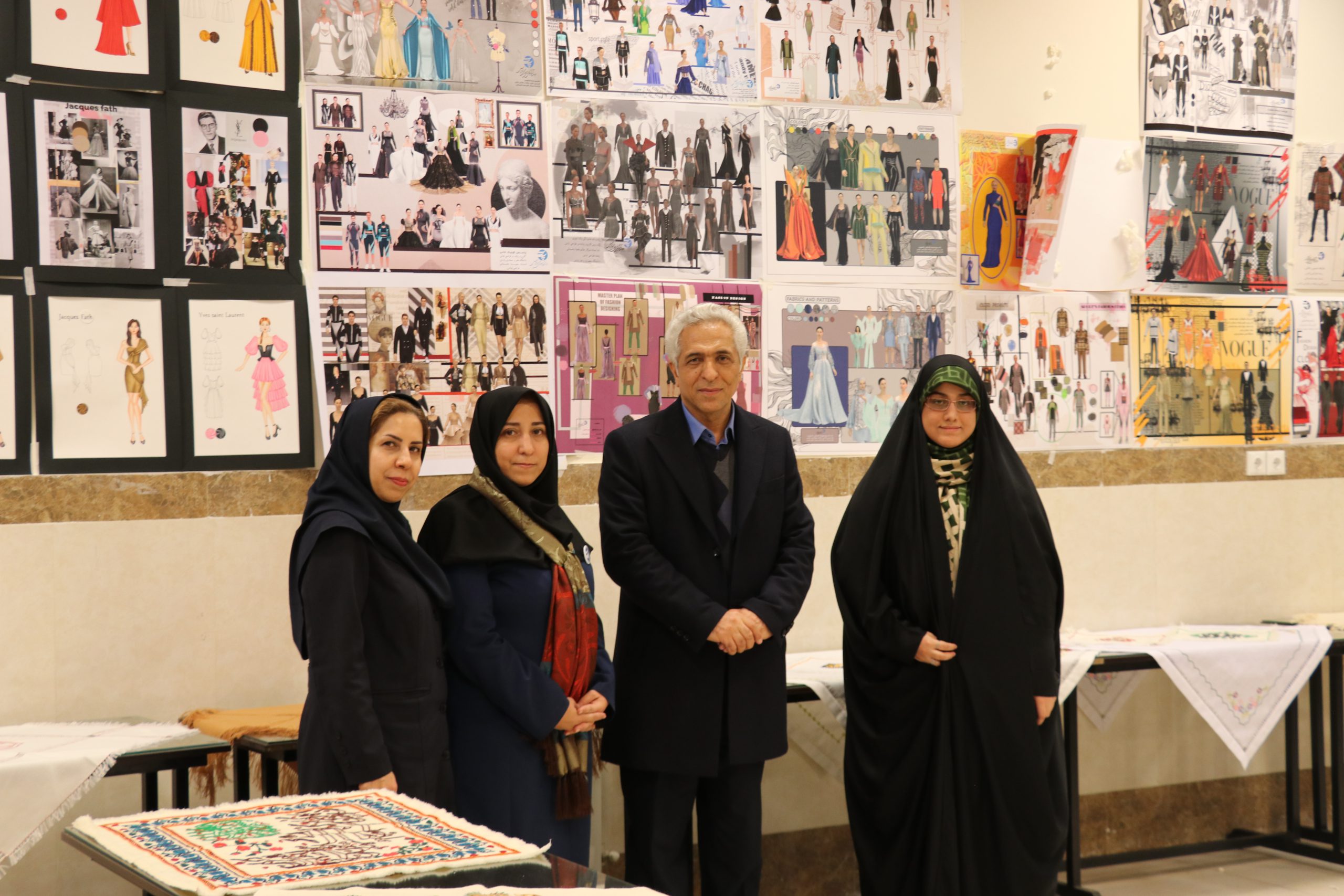
The Pars Institute of Higher Education in Architecture and Art, by utilizing the valuable experiences of experienced professors in the field of textile and fashion design and professional teaching of general and specialized courses, helps specialists in this field and strives to open a vast world of art, knowledge, and creativity along with industry to students.
Lecturers






Courses
Master of Textile and Clothing Courses