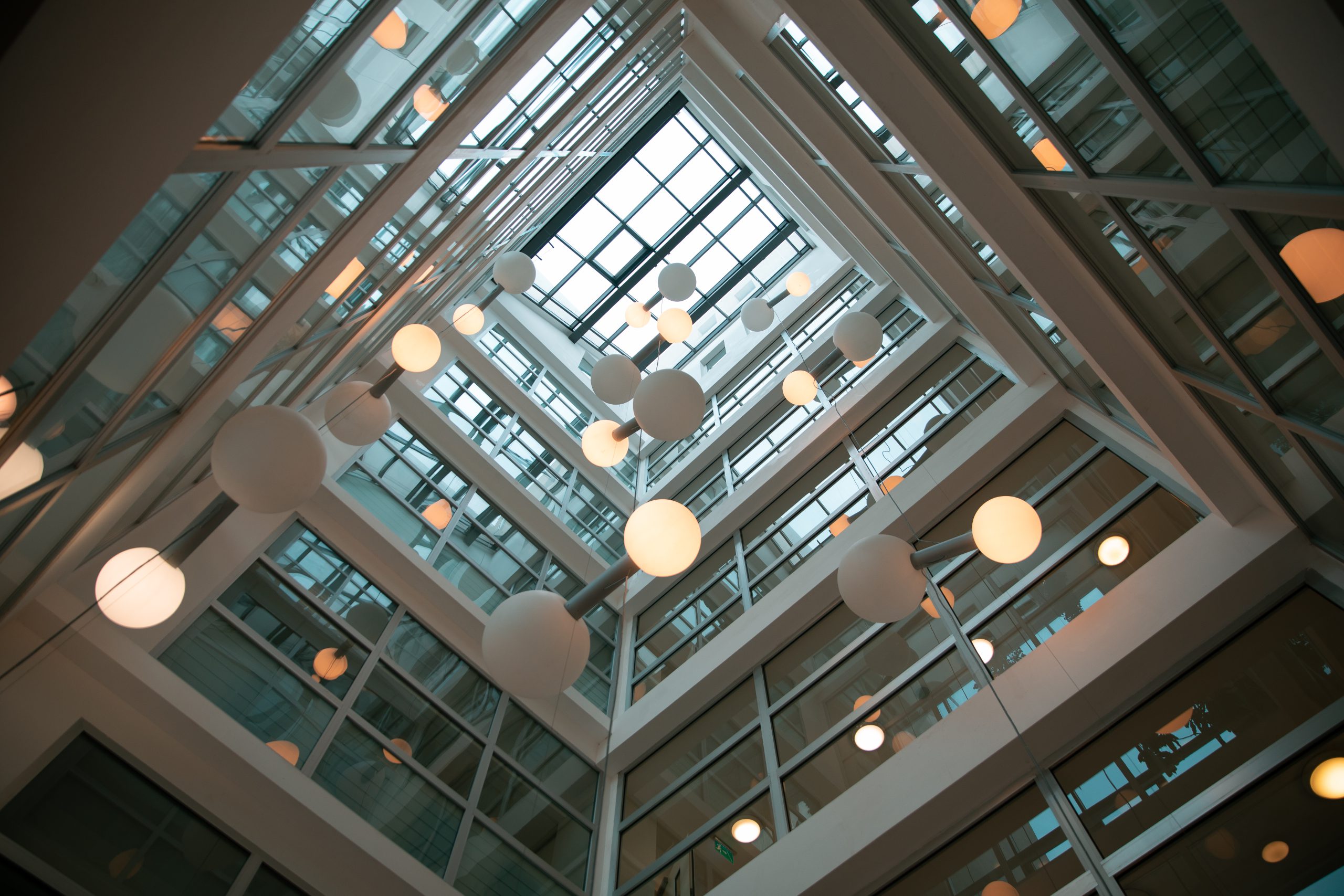
Master’s Degree in Architecture and Lighting
Master’s Degree in Architecture and Lighting
In architecture, light transcends mere illumination; it serves as the silent language of space, infusing life into buildings.
This concept is particularly pronounced in Iranian-Islamic architecture, where light is viewed as an integral component of a space’s identity. Each ray of light conveys a narrative rich with presence, emotion, and perception.
About
Light, beyond its visual and aesthetic aspects, profoundly influences human perception and health. To harness its potential effectively, one must possess a comprehensive understanding of its functions.
While the history of using both natural and artificial light is long-standing, formal academic instruction in this area began in 2001 with the introduction of a Master’s program in Architecture and Lighting at the Royal Institute of Technology (KTH) in Sweden. Today, over ten universities worldwide offer similar master’s programs.
Given the rich legacy of Iranian-Islamic architecture in utilizing natural light, alongside the emergence of nighttime urban life, the increasing use of artificial lighting, and the lack of high-quality lighting design outcomes in the country, the need for trained specialists in this field has become clear.
The rising implementation of modern lighting equipment in various projects across Iran—without structured training on its use or the integration of natural and artificial lighting—poses potential risks, including light pollution, increased energy consumption, user discomfort from inadequate lighting, and visual chaos in urban nightscapes.
In response, Pars University of Architecture and Art, a leading academic institution and pioneer of modern, practical education, has launched Iran’s first Master’s program in Architecture and Lighting. This program was developed after thorough planning and consultation with both domestic and international experts.
The curriculum adopts an innovative approach, integrating the latest research and global advancements in the field. It centers on three core principles:
- Knowledge and technical expertise
- Iranian-Islamic cultural values
- National self-sufficiency and capacity building
- With a strong focus on localizing knowledge, the program considers Iran’s climate and ensures that technical skills align with the country’s culture, civilization, and societal needs.
The Master’s in Architecture and Lighting combines architectural design, a perceptual understanding of light, technical knowledge of illumination systems, and smart lighting technologies.
This program transcends traditional technical training; it aims to redefine the role of light in Iranian architecture by exploring its relationship with climate, culture, urban environments, and human experience.
Skills Acquired
The curriculum fosters research-oriented thinking, curiosity, and a commitment to truth-seeking, while also developing essential skills such as creative and critical thinking, as well as innovation-based evaluation.
Students will engage with a variety of applied and specialized topics, including:
- Concept development for interior and exterior lighting design
- Hands-on training in lighting drawing, modeling, and calculations using specialized software
- Fundamentals of urban design and city planning
- Principles of urban lighting design and master lighting plans
- Safety, security, and environmental considerations in lighting projects
Students will learn to create spatial experiences through light, incorporating human sensory perception into their designs. They will also gain familiarity with professional ethics, project management, contracts, legal aspects, and national and international lighting standards, including energy-saving practices.
By the end of the program, graduates will possess a unique blend of interdisciplinary skills, enabling them to utilize lighting design tools and advanced technologies to design and implement complex lighting projects, all while considering aesthetic and environmental psychology.
Core Courses
Key courses in this program include:
- Theoretical Foundations of Light in Architecture
- Basics of Electric Lighting and Related Equipment
- Lighting Design Projects
- Computer Applications in Lighting Design
- Principles of Daylighting and Related Technologies
- Presentation Techniques in Lighting Design
- Smart Lighting and Control Technologies
- Ethics, Project Management, and Legal Principles
- Research Methods in Lighting
- Lighting Fixture Design and Layout
- Lighting Design Seminars
- Lighting Calculations, Measurement, and Laboratory Work
Career Opportunities
In recent years, the demand for expertise in lighting design has surged, creating numerous career paths for architects, designers, and engineers skilled in this field.
These professionals recognize the impact of light on architecture, interior spaces, and urban environments, enhancing projects through improved visual performance, energy efficiency, sustainability, safety, and user well-being.
Graduates of this program will possess specialized qualifications to excel as lighting designers and consultants for architectural and urban lighting projects, distinguishing them in the job market.
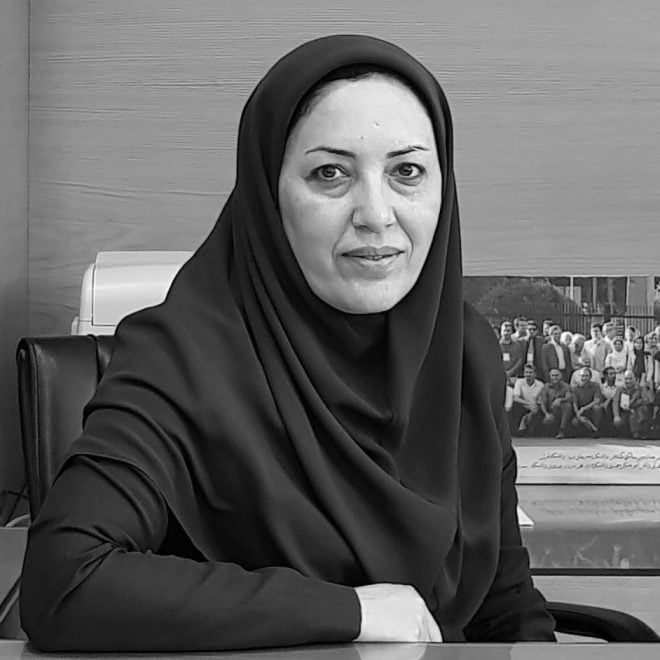
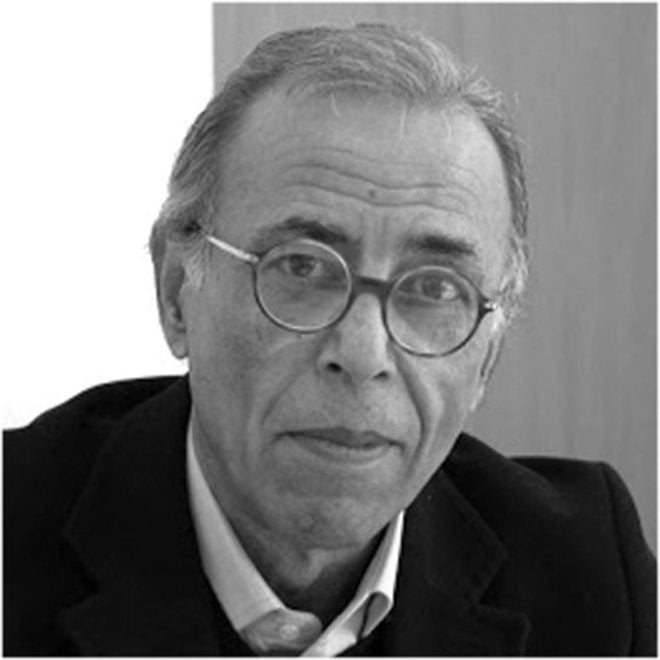
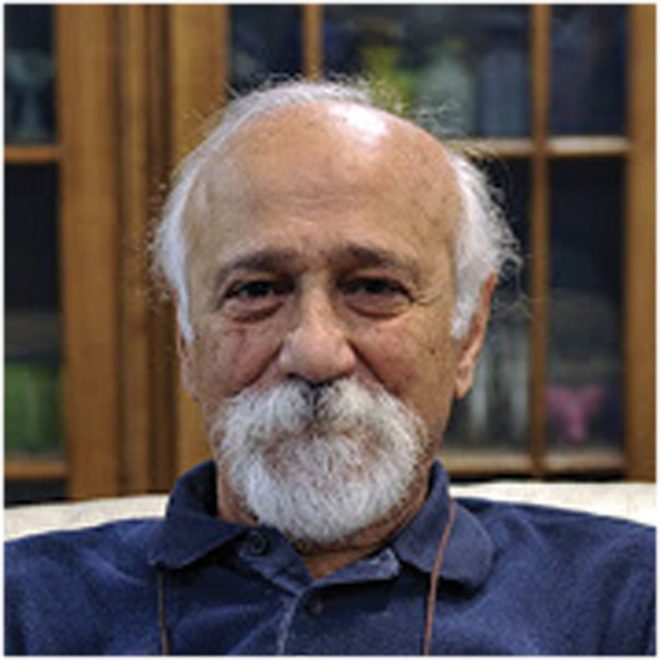
Lecturers




About Pars University
Pars University of Architecture and Art emphasizes modern education, distinguished faculty, and collaborations with leading international universities, creating a dynamic and inspiring environment for developing the next generation of professionals.
The university’s approach integrates the essence of Iranian architecture and art with cutting-edge technologies. Its educational model combines theoretical knowledge with hands-on experience and real-world projects, allowing students to master foundational theories while honing their practical skills and creativity to the highest level.