Multimedia (B.A.)
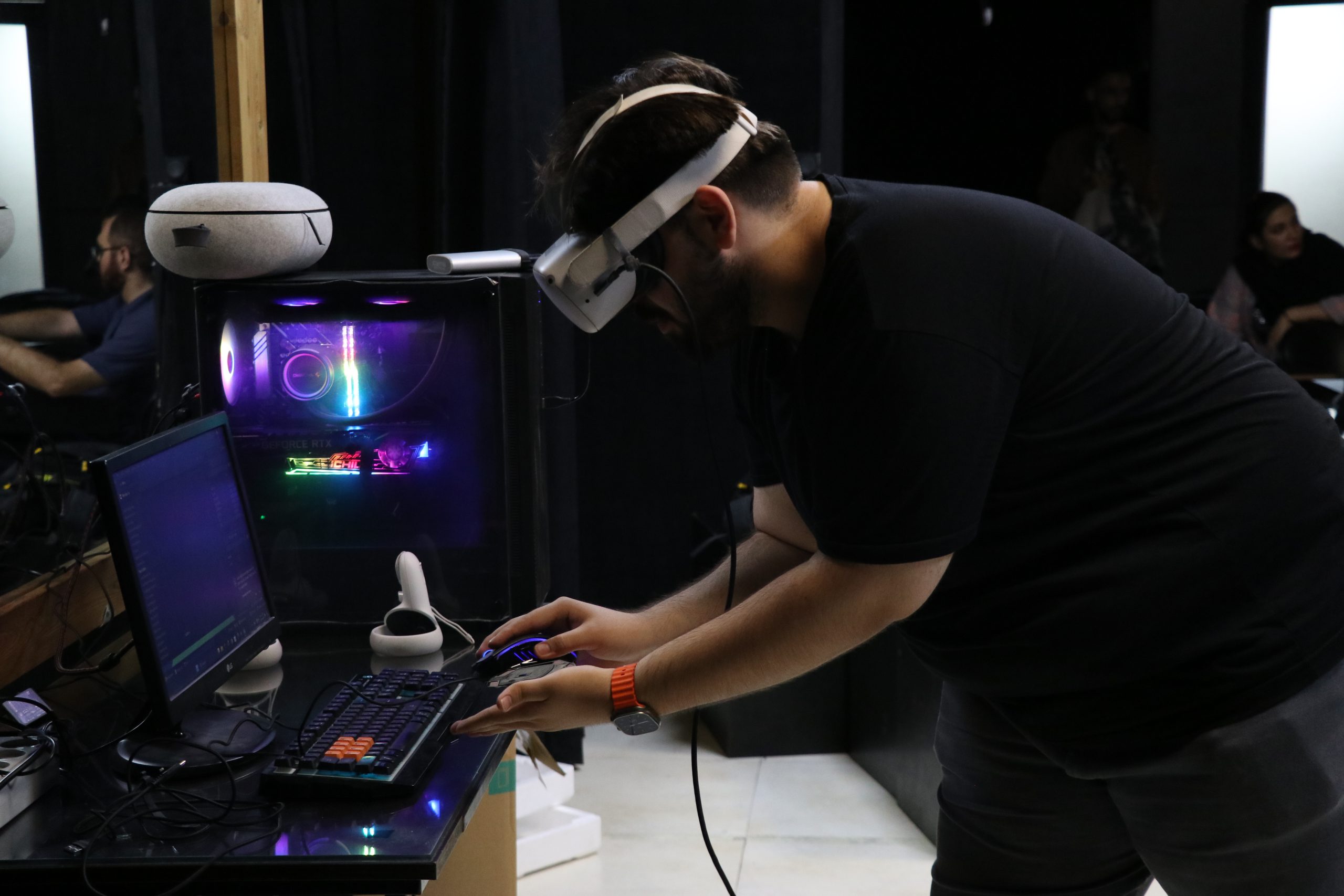
The 21st century, due to technological changes and the rapid pace of innovations in the field of technology, has blurred the boundaries between different artistic media. Television and radio programs, which not long ago were only accessible through specific devices, are now easily available via software installed on mobile phones. Cinema borrows from animation, computer games use theater and drama alongside 3D designs, painting exhibitions are filled with items created by computer software, art museums that used to display stone and clay sculptures now use holographic sculptures, and mobile phone screens or handheld computers that were once just for written texts have now become portable galleries where various artworks can be seen. Therefore, it would not be irrelevant to say that today’s world is a “multimedia” world!
About
In today’s world, media and imagery are the most powerful tools of societies. The messages exchanged in this era are no longer abstract, separate, or one-dimensional. The most important tool for interaction and influence on humans is a combination of art and technology. Multimedia is the point of convergence for tools from the modern world. The outcome of this convergence has created a new power with a hundredfold impact in an age of speed and diversity. Multimedia is at the center of this convergence. Graphics, film, and animation, aided by computers and complex specialized software, create works that influence audiences’ worlds.
The works created by graduates in this field shape audiences’ worlds with complexity, beauty, delicacy, speed, and wonder. Virtual spaces, advertising, education, and information dissemination are areas that have been transformed by multimedia productions. Graduates from this field are individuals with multiple skills who have a high understanding of the repetitive processes involved in reconstructing multimedia systems.
Skill Areas
The world of multimedia is a powerful interdisciplinary space. As a result, graduates from this field possess extraordinary skills formed by combining art, computing, and communications. Those active in this area are special artists who simultaneously manage art, technology, and computing, possessing the necessary skills in this field.
Job Opportunities
Today, all fields are open for the employment of its graduates. The world of computer games, advertising, production of graphic works and animation, festivals, digital trade markets, campaigns, and more are among the employment fields for multimedia graduates. Jobs such as database design, computer game design, and more are among the job titles for graduates of this field.
What is the “Multimedia” Field?
The ever-increasing cultural needs for the construction and design of intermedia artistic items on one hand, and the growth of the artistic design industry using software and the combination of various media (including painting, cinema, theater, 3D design, etc.) on the other hand, make the presence of an academic and specialized field in this area evident. Previously, it was customary for the artistic designer to work separately and give the result to the software designer to showcase in new electronic media. The artistic designer only had artistic literacy, and the software designer only had technological knowledge! But today’s need is for specialists in artistic fields who have both artistic expression and creativity as well as technological mastery. Specialists who can combine everything from idea to execution in today’s new and innovative spaces. The “Multimedia” field was created to train such specialists. Graduates of this field study both art history and geometry, both dramatic principles and artistic design, and advanced programming. This way, specialists are trained who have everything from the most basic artistic principles to complex computer programming methods. This academic field, which is very new in Iran, aims to bring specialists in line with the future of global media and art.
Why Pars University?
Pars University of Architecture and Art is a university that looks to the future. Breaking out of the unnecessary shells of the past and reaching new spaces has always been the motto of this university. The “Multimedia” field at Pars University is a perfect example of this search for fresh blood in the cultural and artistic veins of Iran. Using a combination of brilliant artistic professors alongside experienced technological professors, creating an interdisciplinary and idea-generating mental space, and welcoming fresh breaths in the field of culture are the characteristics of this field at Pars University. We at Pars University believe that the “Multimedia” field is one of the most important future paths for artistic designs! We believe that “Multimedia” is a field, an interdisciplinary educational and research domain formed by combining various fields, and we must link the best of these fields together to achieve the ultimate goal of this field.
After Graduation…?
It goes without saying that “Multimedia” is one of the most practical fields in the art domain! Consider a computer game: an idea creator prepares an idea, a writer provides a general plan for the game’s storyline, an artistic designer carries out the designs, and finally, programmers write the desired program while animators and other components perform the executive tasks. Now imagine that all these capabilities are cohesively and purposefully combined in one specialist! Naturally, this person could easily be a successful designer for the intended game. Graduates of “Multimedia,” due to their theoretical perspective and practical experience as well as their combination of art and technology, can work as artistic directors, media designers in various media outlets, multimedia designers in organizations, or as concept developers in technology because these specialists have learned to create and refine a complete cultural medium in today’s world.
Lecturers



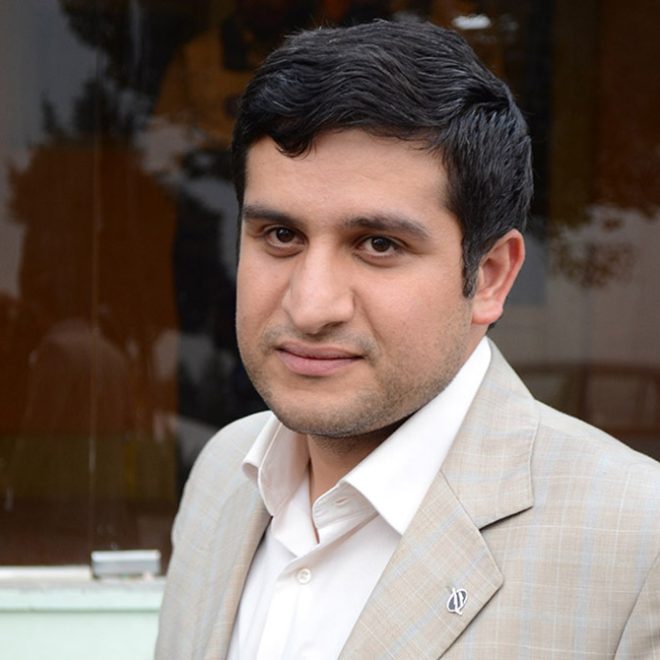
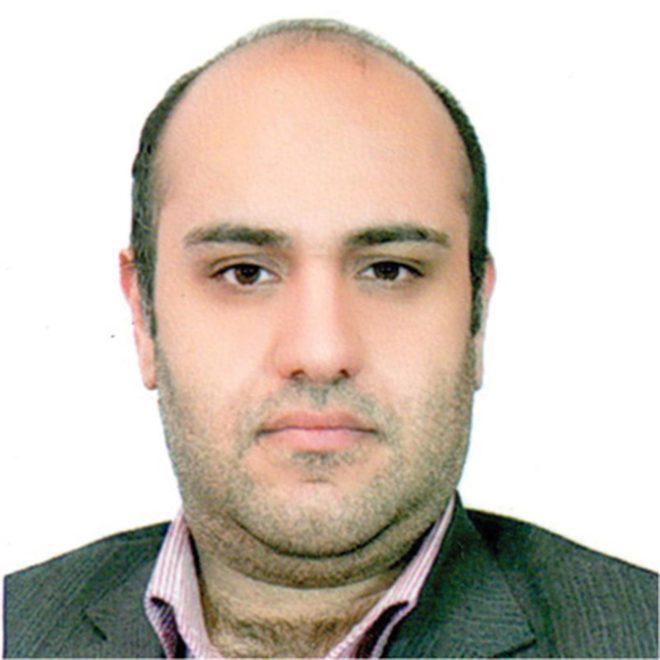




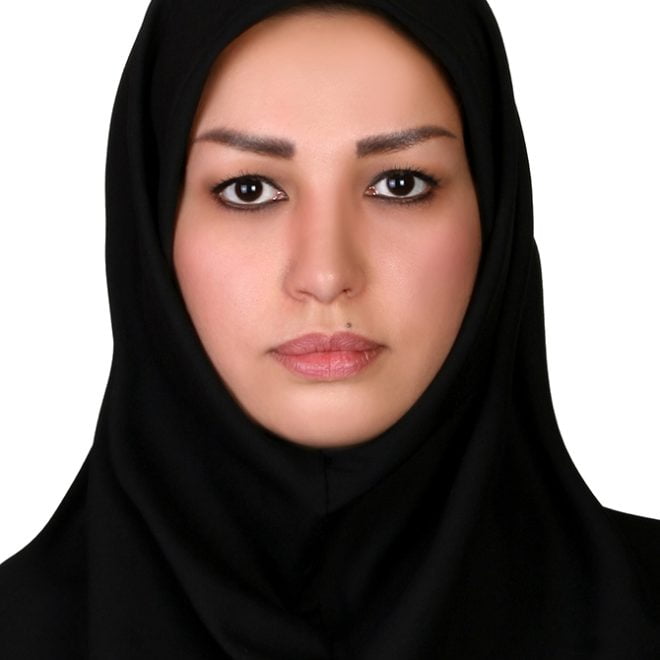
Courses
Some specialized courses include:
- Database Fundamentals
- Artificial Intelligence
- Motion Graphics
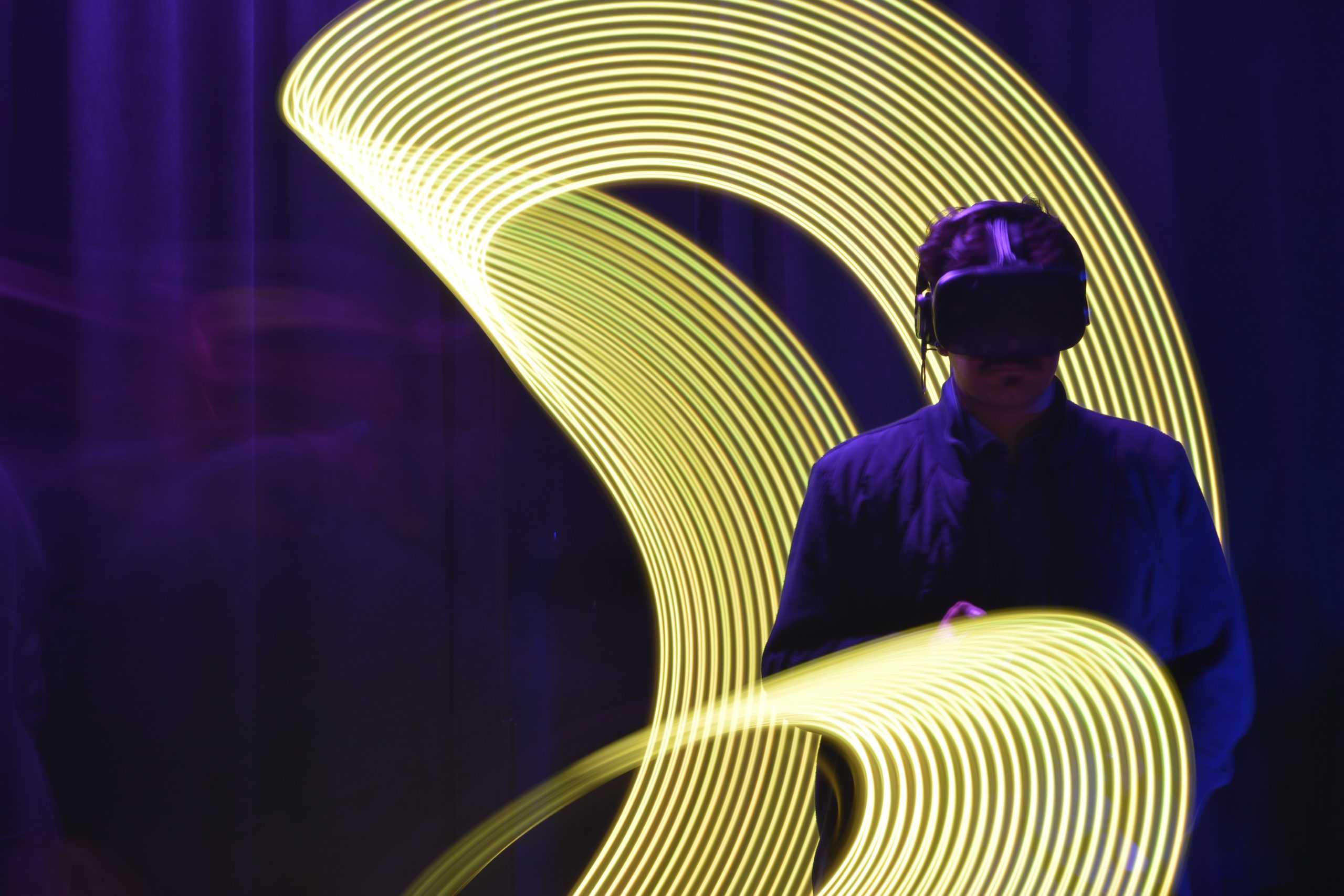
- Light in Multimedia
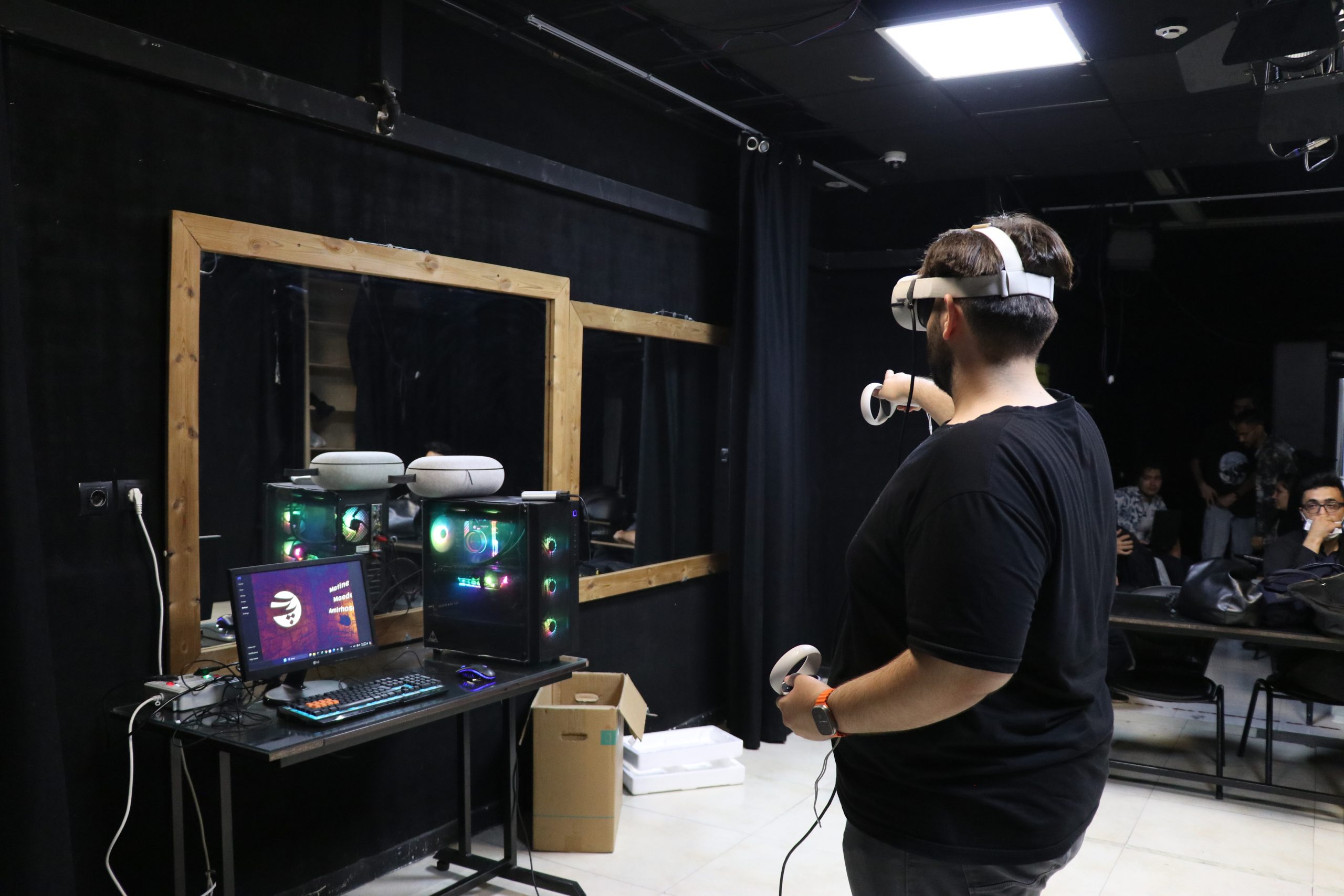
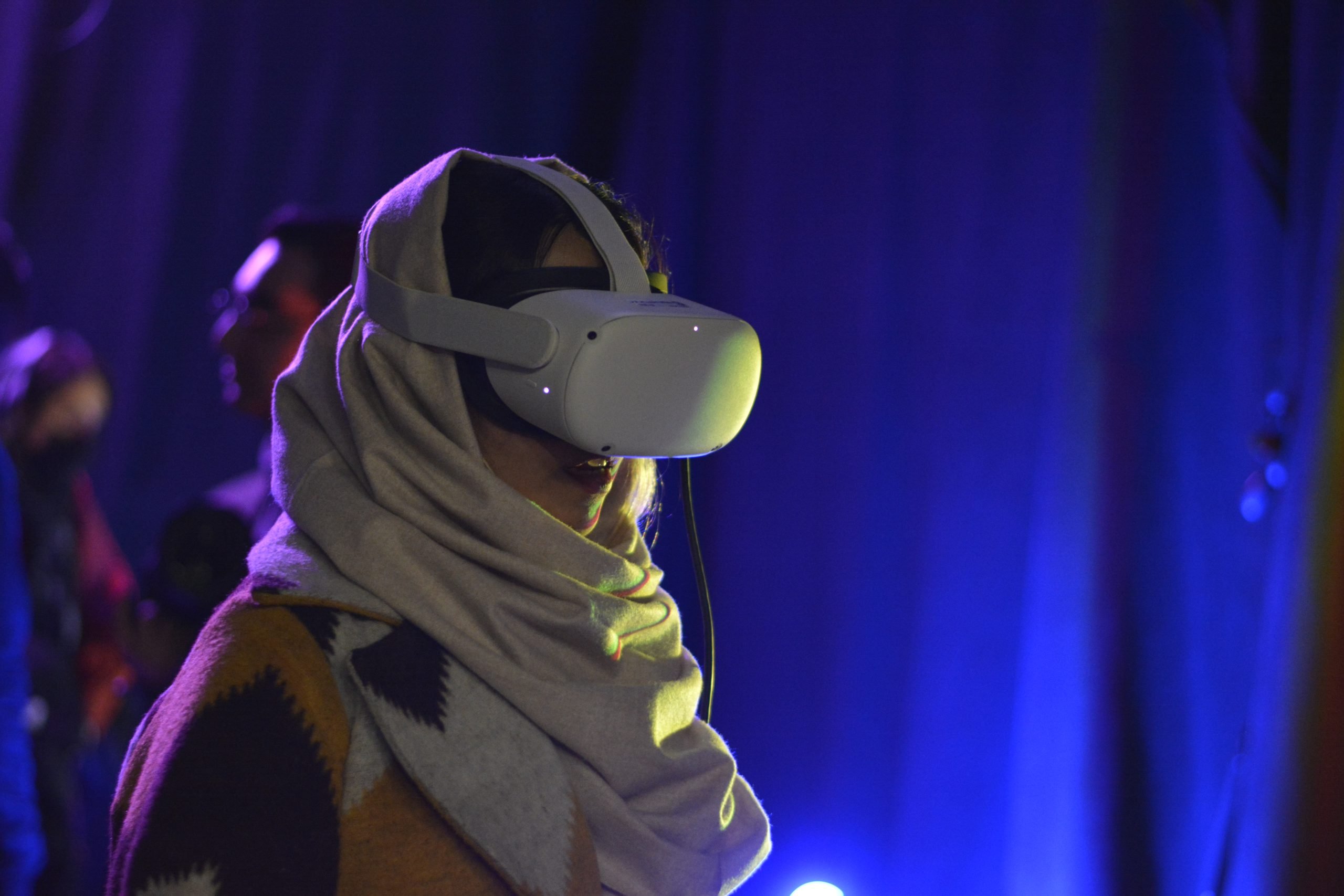
- Virtual Reality Designing
- Multimedia Equipment
- Sound in Multimedia
- Introduction to Contemporary Arts
- Multimedia and Scripting
- Simulation and Animation
- Management of Multimedia Organizations
- Data Structures and Algorithm Design
- Image Processing and Photography
Gallery