Photography (B.A.)
Creating a photograph is different from just taking a picture. A desirable photograph that can be considered an academic discipline has its own specific characteristics. Many concepts can be conveyed through photographs. Although automatic digital cameras have quickly found their way among photographers, we must thoroughly understand what is taught in this field at universities. The foundation of photography is physics and chemistry. Physics deals with the construction and application of optical devices and the effect of lenses, while chemistry discusses sensitive materials and the chemical reactions involved in photography.
A graduate of the photography major now assists other scientific and technical fields and various branches of art, visual arts, and even literary expression. The presence of photographs in advertising, industry, journalism, article writing in various fields of medical sciences, physics, zoology, cinema, astronomy, historical documentation, social sciences, news reporting, and politics has unprecedented applications. In other words, a photograph is another way of seeing. General knowledge in areas such as Iranian and world painting, miniatures, modern and classical painting, colors and color combinations, visual perception, Iranian and world architecture, theater and cinema, music, and physics and chemistry will be beneficial for progress in this field.
About
About the Major
When the first photographs were taken with very primitive and low-quality cameras, the image quality was not comparable to the present time because the equipment available to photographers today has made their work much more advanced and high-quality. Most people believe that photography is an experimental field and that individuals can learn it through a short-term course, and they are surprised that this art is taught as an academic discipline at universities. However, those who study in this field and the professors have a different opinion. They believe that photography studios engage in the profession of photography, but universities teach the art of photography to students.
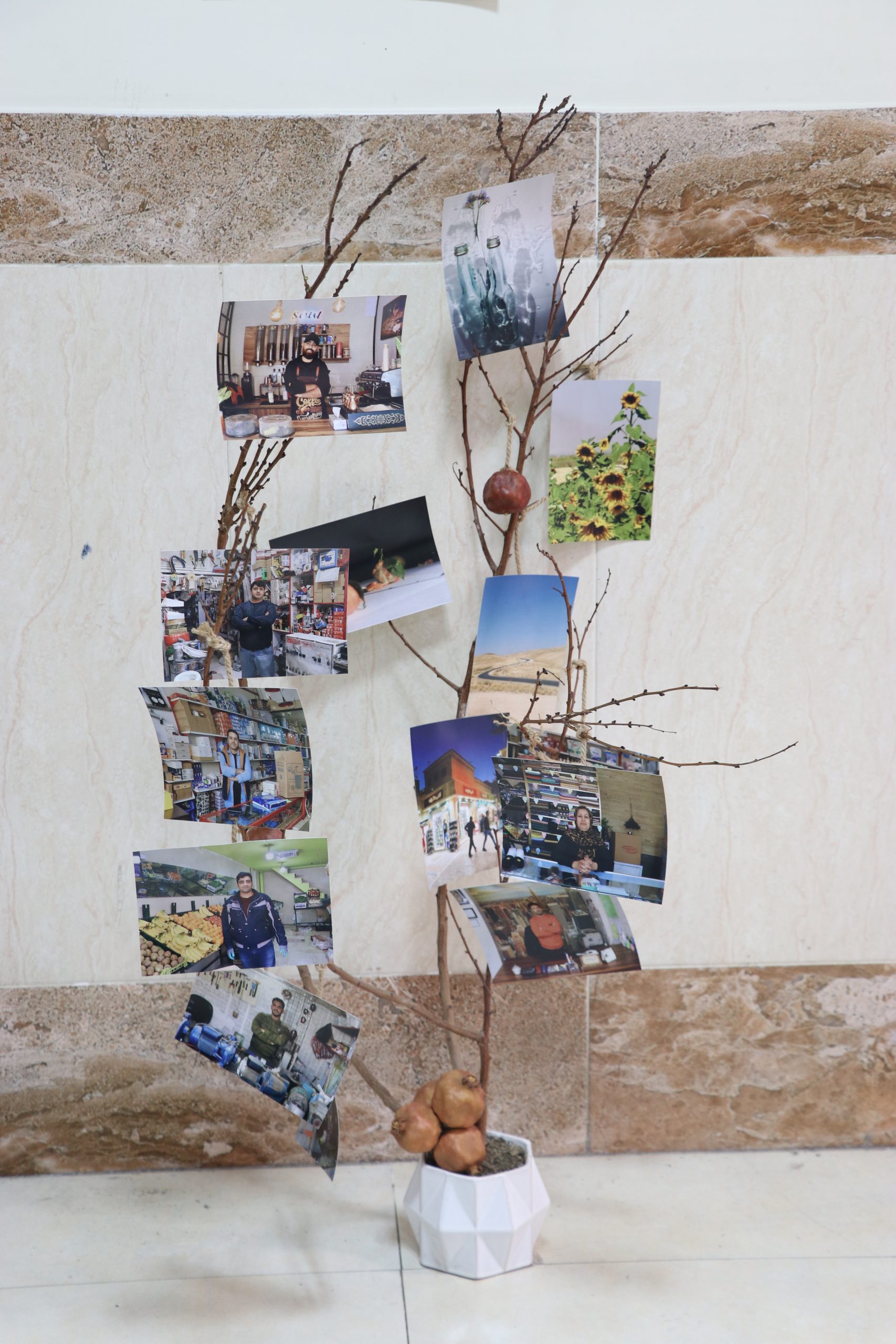
Those who study photography become familiar with various techniques in this field and learn about different branches of photography, including news photography, advertising photography, scientific photography, nature photography, and portrait photography. A photographer captures moments in time that depict human emotions, scientific phenomena, natural landscapes, and more, which are recorded on sensitive film. This selection is based on an understanding of the culture of society and general knowledge of the arts, and on the other hand, it relies on the transfer and adaptation of these to the technology and sciences related to photography. The most important task of photography is the proper and correct combination of these two because technology in photography helps to create the main structure of the photo, and understanding culture, society, and art helps to create the content of the work.
In the photography major, students become familiar with various sciences and methods in the field of photography and learn different branches of photography, including industrial, advertising, scientific, news, nature, and portrait photography. However, this information is not complete for all branches, and each student can enter professional activity in one of them based on their interests and conditions. A photography student should have an artistic sense, be sharp-eyed and curious. They should always be looking for subjects to photograph because photographers usually look at events, landscapes, and people differently from ordinary people. Additionally, a photographer should be an active person and have good information in various fields.
Skill Areas The photography major at universities is offered with a focus on three categories: news photography, artistic photography, and applied photography. In this program, students learn these three categories through main, basic, and specialized courses. They need to understand cameras, photography equipment, lighting, photography-related software, and also develop their minds, all of which will be covered in this program.
Job Opportunities A graduate of the photography major can work in governmental, private, and personal sectors in the future. They can work in news agencies, press, governmental and private offices in public relations, judicial and police departments, personally in various forms of portrait, architectural, and advertising photography, in production companies for product introduction, and more privately, they can hold exhibitions where the photographer presents and expresses a point with their personal approach. Graduates of this field can work in institutions responsible for advertising and mass communication (Islamic Republic News Agency, radio and television, press, advertising and publishing institutions, etc.) as reporters and photographers, or in scientific, artistic, and industrial centers alongside experts and specialists in various sciences to engage in specialized photography. They can also work in private photography workshops and studios. Teaching theoretical and practical photography is another job opportunity for them.
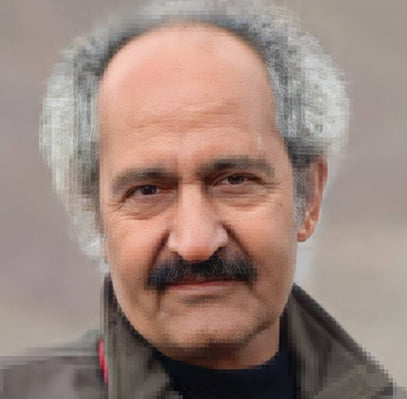
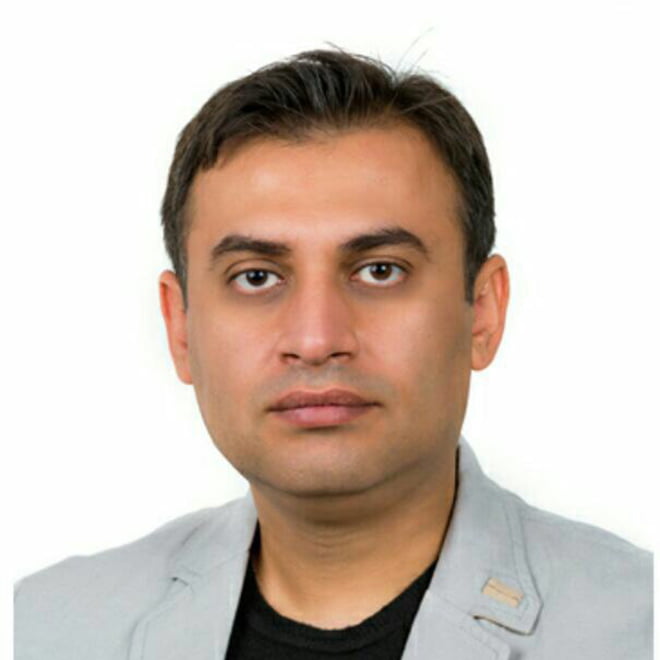
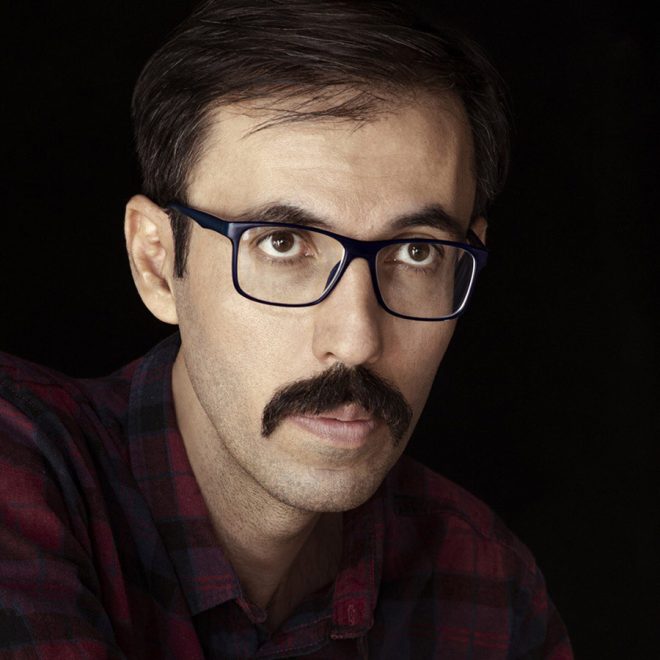
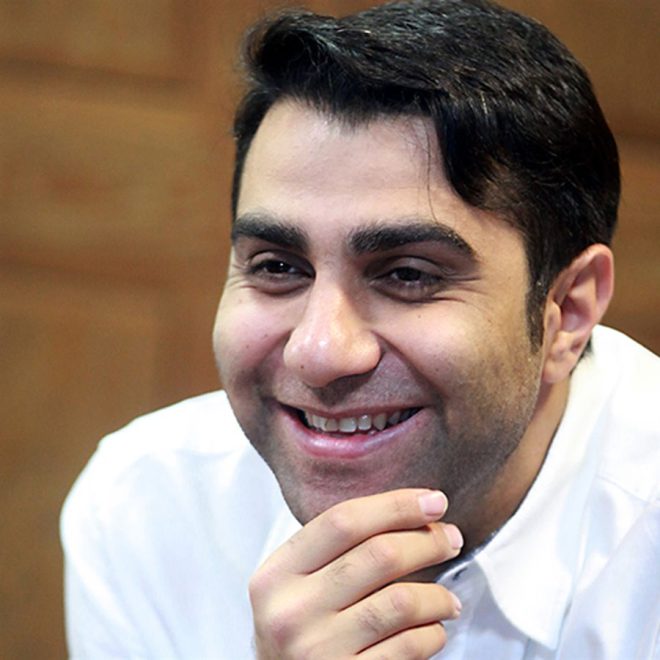
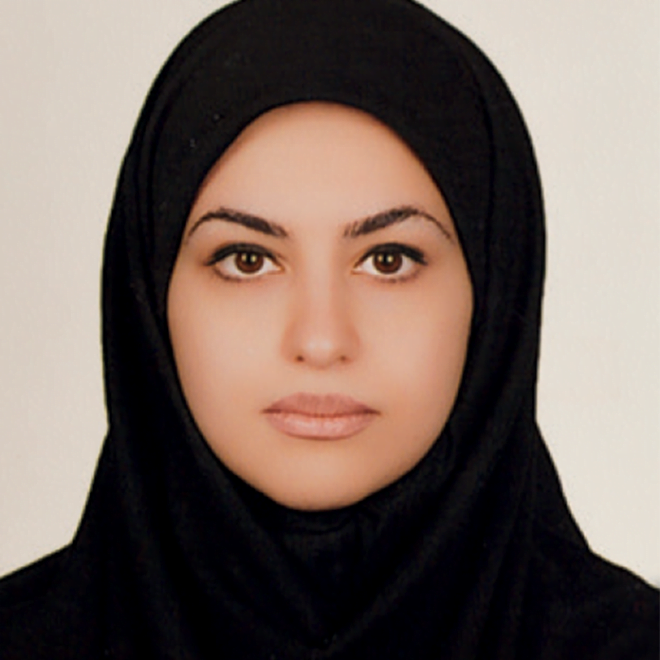
Lecturers










Courses
- Free Photography Workshop
- Phenomenology of Photography
- Basics of Visual Arts
- Documentary Photography Workshop
- Video and Photo Art Workshop
- Research Methods in Photography
- Equipment Knowledge in Photography
- Landscape Photography Workshop
Color Photography Workshop
- Press Photography Workshop
- Specialized Photography Language
- Portrait Art Workshop
- Digital Imaging
- Introduction to Cinema
- History of World Photography
- Basics of Advertising Theory
- Architectural Photography Workshop
- Press Photography Workshop
Gallery