

Surveying Engineering (B.Sc.)
Surveying Engineering
The earth is the silent language of nature, and surveying is the tool for hearing that language. Surveying engineering is the art of measuring the world. When the human eye fails to perceive the vastness of terrains with precision, it is the surveyor, through skill, knowledge, and accuracy, who delineates the unseen boundaries and unveils the truths of the land to the eyes of engineering. In a world where development is intrinsically tied to geography, the surveyor takes the first step, a confident stride at the beginning of every civil, architectural, or environmental transformation.
About the Major
Surveying engineering is a branch of engineering sciences concerned with the collection, analysis, processing, and representation of spatial and terrestrial data. In this field, students learn various measurement techniques, satellite technologies, global positioning systems (GPS), remote sensing (RS), geographic information systems (GIS), photogrammetry, and 3D laser scanning.
The goal of this discipline is to train specialists capable of providing precise data required for the design, implementation, and monitoring of engineering, urban planning, architectural, environmental, natural resource, road construction, dam building, transportation networks, and utility line projects.
In essence, surveying engineering is a strategic tool in civil, urban, infrastructure, and environmental projects. Relying on precise measurement knowledge and modern technologies, it forms the foundation of many engineering and development activities. Without surveying, no structure begins correctly, and no infrastructure is positioned properly.
Skills
Throughout their studies, surveying engineering students acquire a variety of skills, including terrestrial surveying operations and the preparation of topographic maps; working with modern measurement tools such as total stations, high-precision GPS, drones, and laser scanners; 3D surface modeling and change analysis; processing and interpreting satellite and aerial images; designing and managing geographic information systems (GIS); and using specialized software.
Students also become familiar with legal and regulatory foundations related to land documentation and property registration. By completing specialized internships and participating in field projects, they gain the practical experience necessary to enter the job market.
Courses in the Program
Key courses in this field include:
Basics of Computer Science and Programming, Mechanics and Wave Optics Physics, Differential Geometry, Linear Algebra, Error Theory, Adjustment Computations and Statistical Testing, Surveying Operations, Principles of Cartography, Cartographic Operations, Geodetic Surveying and Control Network Analysis, Geodetic Surveying Operations, Route Surveying and Roadway Geometric Design, Construction and Underground Surveying, Basic Photogrammetry, Analytical Photogrammetry, Principles of Triangulation in Photogrammetry, Close-range Photogrammetry, Fundamentals of Remote Sensing, Remote Sensing Image Processing, Remote Sensing Image Analysis Operations, Hydrography, Fundamentals of Geodesy, Geometric Geodesy Calculations, Fundamentals of Space Geodesy, Physical Geodesy, GNSS (Global Navigation Satellite System) Operations, Cadastral Surveying, GIS Operations and Principles of Project Management and Estimation in Surveying
Career Opportunities
Graduates of surveying engineering enjoy diverse job opportunities in both public and private sectors due to the high demand for spatial data across various fields.
Alumni can work on infrastructure projects, road construction, dam building, subway systems, power transmission lines, and water and sewage networks. They can also collaborate with organizations such as municipalities, the Registry of Deeds and Properties, the Ministry of Roads and Urban Development, and consulting engineering firms.
Employment opportunities also extend into advanced technological domains such as digital terrain modeling, natural resource management, disaster management, climate change monitoring, geospatial system design, and geomatics consulting.
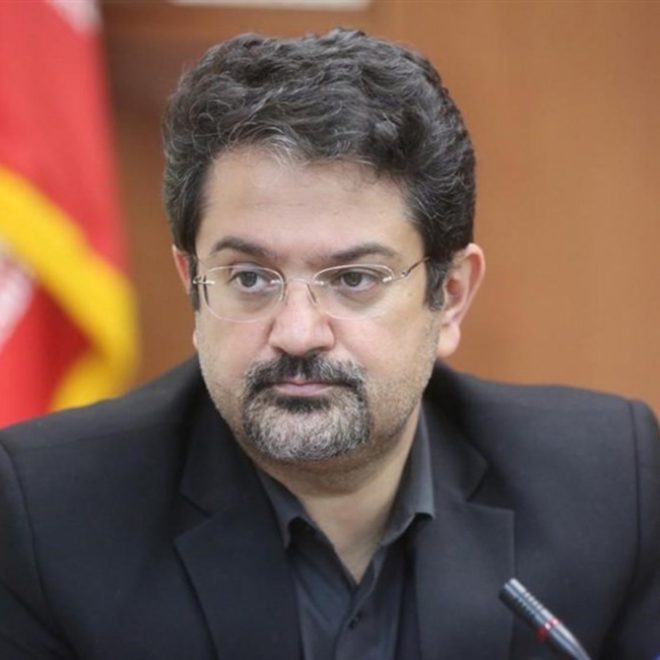
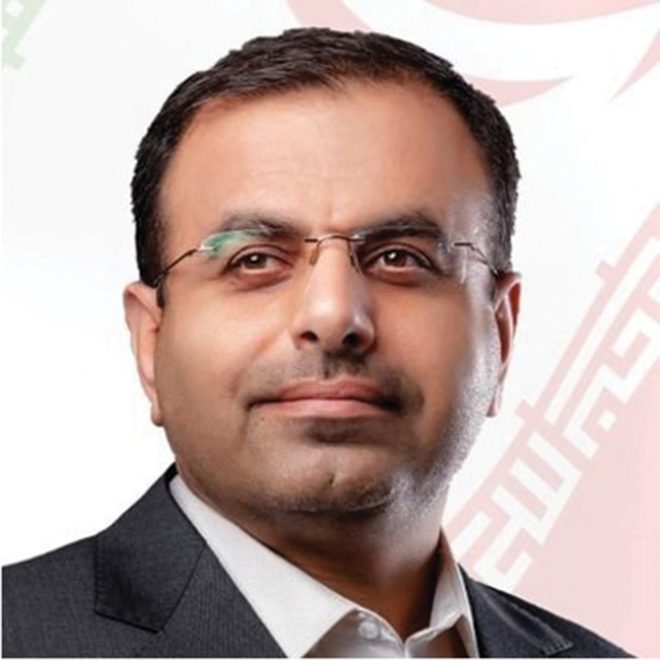
Lecturers










About Pars University
Pars University of Architecture and Art, with its emphasis on modern education, experienced and prominent faculty, and collaboration with leading international universities, offers a dynamic and inspiring environment for nurturing the future generation of the country.
The university’s approach is to combine the essence of Iranian architecture and art with modern technologies. Its teaching methodology integrates theoretical knowledge with hands-on experience and real-world projects. This provides students with an opportunity not only to master theoretical foundations but also to significantly enhance their practical skills and creativity.


