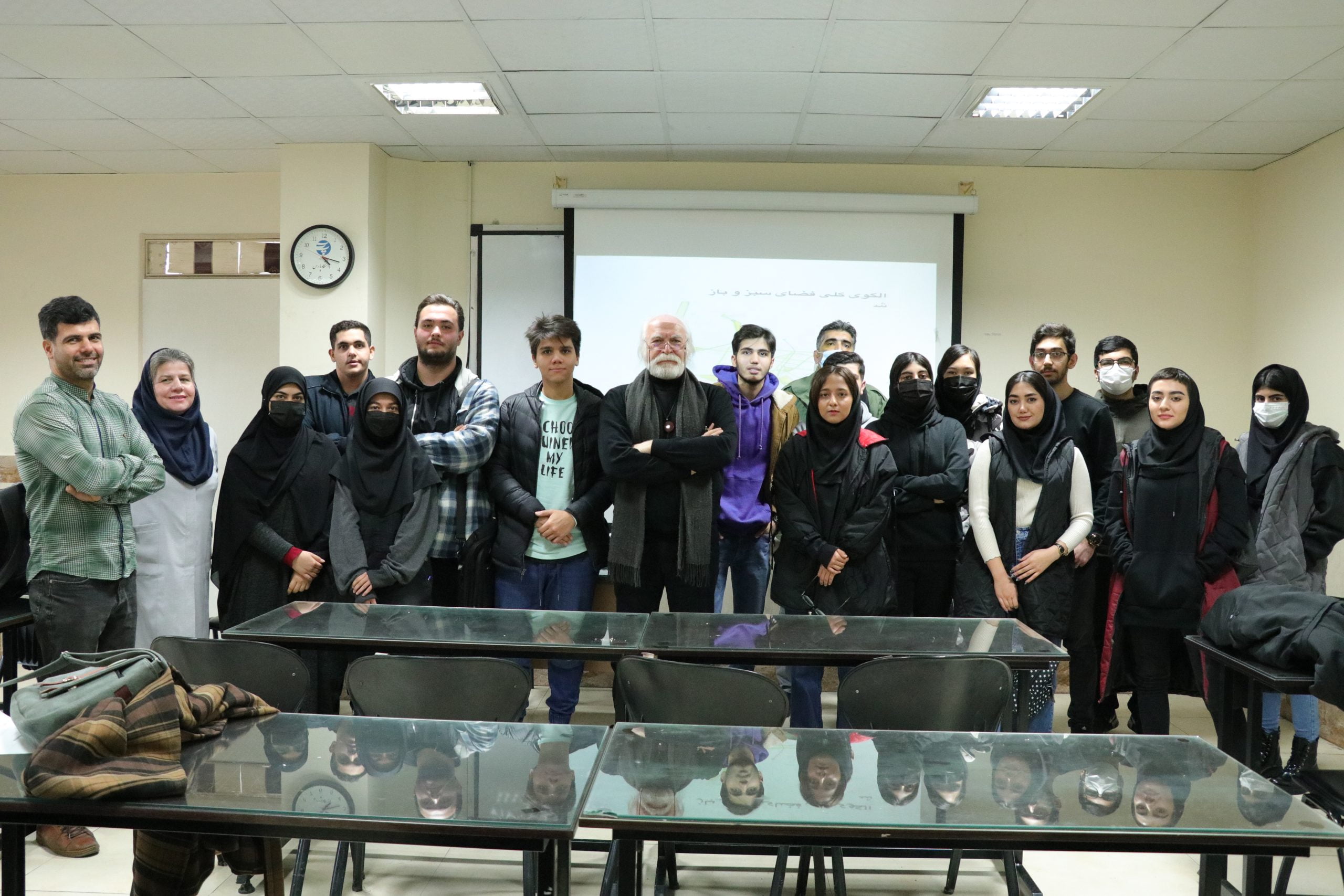
Urban Engineering (B.Sc.)
Urban Engineering
An urban planning specialist is someone who can work in urban design or urban planning and contribute to urban development. Creativity is one of the characteristics of an urban engineer in urban and executive designs.
Organizing a city requires the cooperation and collaboration of economists, sociologists, architects, civil engineers, geographers, and experts from various other fields. Among them, the urban planning specialist, as a policymaker and specialized manager, plays a very important role. Urban planning knowledge examines all social, economic, political, and physical changes in a city, and the urban planning specialist is someone who, by studying and examining the social, economic, political, and cultural relations prevailing in the city, provides a coherent and pleasant plan for a city. A plan that depicts the city’s future image.
About
Urban planning is closely related to some engineering fields, especially architecture, civil engineering, mechanics (installations), as well as social sciences, psychology, sociology, economics, etc. Therefore, having a spirit of cooperation and teamwork is very important for an urban engineer. Also, due to the multi-dimensional nature of the theoretical foundations of this field, a high analytical ability is required for those engaged in this profession. It is possible to study this field at the associate, bachelor’s, master’s, and doctoral levels. A student in this field should be familiar with design and artistic concepts such as color psychology and, at the same time, be interested in technical concepts and work principles such as surveying, technical drawing, perspective, spatial geometry, modeling, mathematics, and human and social issues such as sociology foundations. They should know that during their studies, they will have to carry out many research and practical projects.
Skill Areas Urban planning, while specialized, has an interdisciplinary nature and is connected with various fields at rural, urban, and regional levels on one hand, and technical, human, and environmental levels on the other.
Job Fields Graduates of this field can work in municipal organizations, the Ministry of Housing and Urban Development, construction companies, beautification organizations, and affiliated institutions or their subsidiaries. They can also take on executive roles. An urban planner may design city maps or locate various urban elements and land uses. Preparing urban and regional maps and plans, approving maps submitted to organizations for construction, planning and designing various townships (residential, industrial, commercial), providing consultancy in urban and regional matters to managers and officials, offering designs based on available building materials, people’s habits, and climate conditions, supervising the implementation of construction and urban planning projects, carrying out landscaping projects, land subdivision, neighborhood design, etc., planning and designing new cities, and locating various urban elements and land uses are among the job fields in this discipline.
Professional Environment Urban planning experts, based on their knowledge, can work in various urban planning institutions such as urban planning and technical offices of municipalities, technical offices of the Ministry of Interior, housing and urban development departments, judiciary, technical offices of the Agricultural Jihad and the Housing Foundation of the Islamic Revolution, consulting engineering offices, and other related institutions involved in implementing urban plans in the country.
Professional Desirability Urban planning, while specialized, has an interdisciplinary nature and is connected with various fields at rural, urban, and regional levels on one hand, and technical, human, and environmental levels on the other.
Necessity of This Profession Our country needs 50,000 urban and regional planners for urban and regional development; that is, if we want to catch up with global development, we must believe in planning and invest in this area.
Lecturers




Courses
Courses in the Urban Planning Major
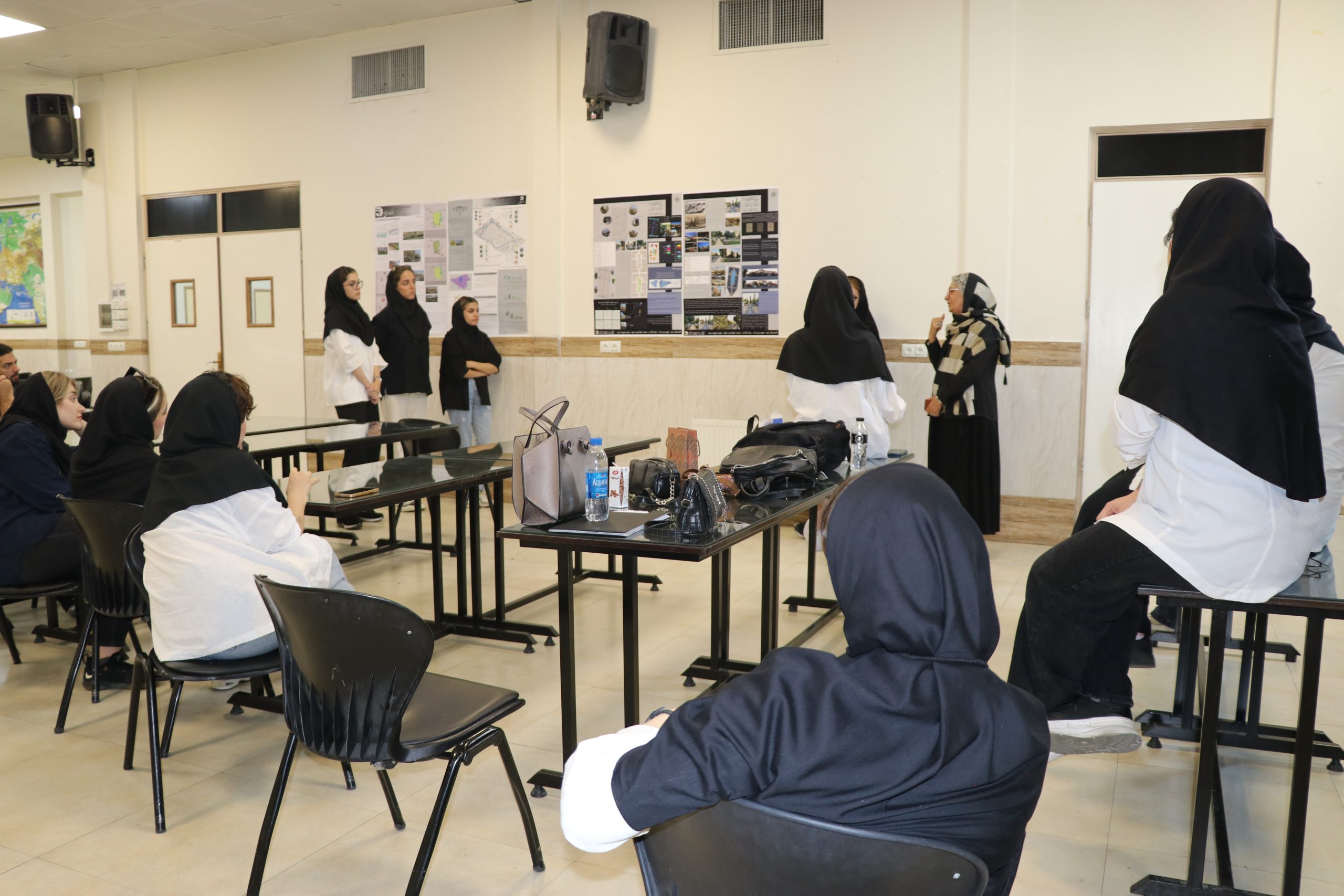
Courses such as combinations, designs, and theoretical architecture courses are generally held in studio or student conference formats.
Basic Courses:
- Introduction to Urban Studies
- Fundamentals of Sociology
- Understanding and Expressing the Urban Environment
- Fundamentals of Geography
- Fundamentals of Economics
- Natural and Human Ecology
- Application of Mathematics in Urban Planning
- Visual Expression Workshop
- Application of Geometry in Urban Planning
- Technical Language
Core Courses:
- Application of Surveying
- Application of Computers in Urban Planning
- History and Culture of Urbanization Worldwide
- History and Culture of Urbanization in Iran
- Introduction to the Fundamentals of Architecture and Building
Fundamentals of Transportation Network Engineering
- Transportation Network Engineering Workshop
- Fundamentals of Urban Facilities Engineering
- Urban Facilities Engineering Workshop
- Design and Application of Information Systems
- Statistics and Quantitative Methods in Urban Planning
- Introduction to Materials and Construction
- Urban Geography
- Urban Sociology
- Urban Economics
- Urban Studies Workshop
- Urban Laws and Regulations
Specialized Courses:
- Fundamentals and Methods of Urban Planning
- Fundamentals and Methods of Urban Design
- Urban Planning Workshop (Land Use)
- Urban Design Workshop
- Fundamentals and Methods of Housing Planning
- Housing Planning Workshop
- Urban Management and Executive Organization
- Executive Project Workshop
- Understanding Urban Spaces in Iran
- Research Methods in Urban Planning
- Land Preparation Workshop
- Land Use Survey Workshop
- Final Project
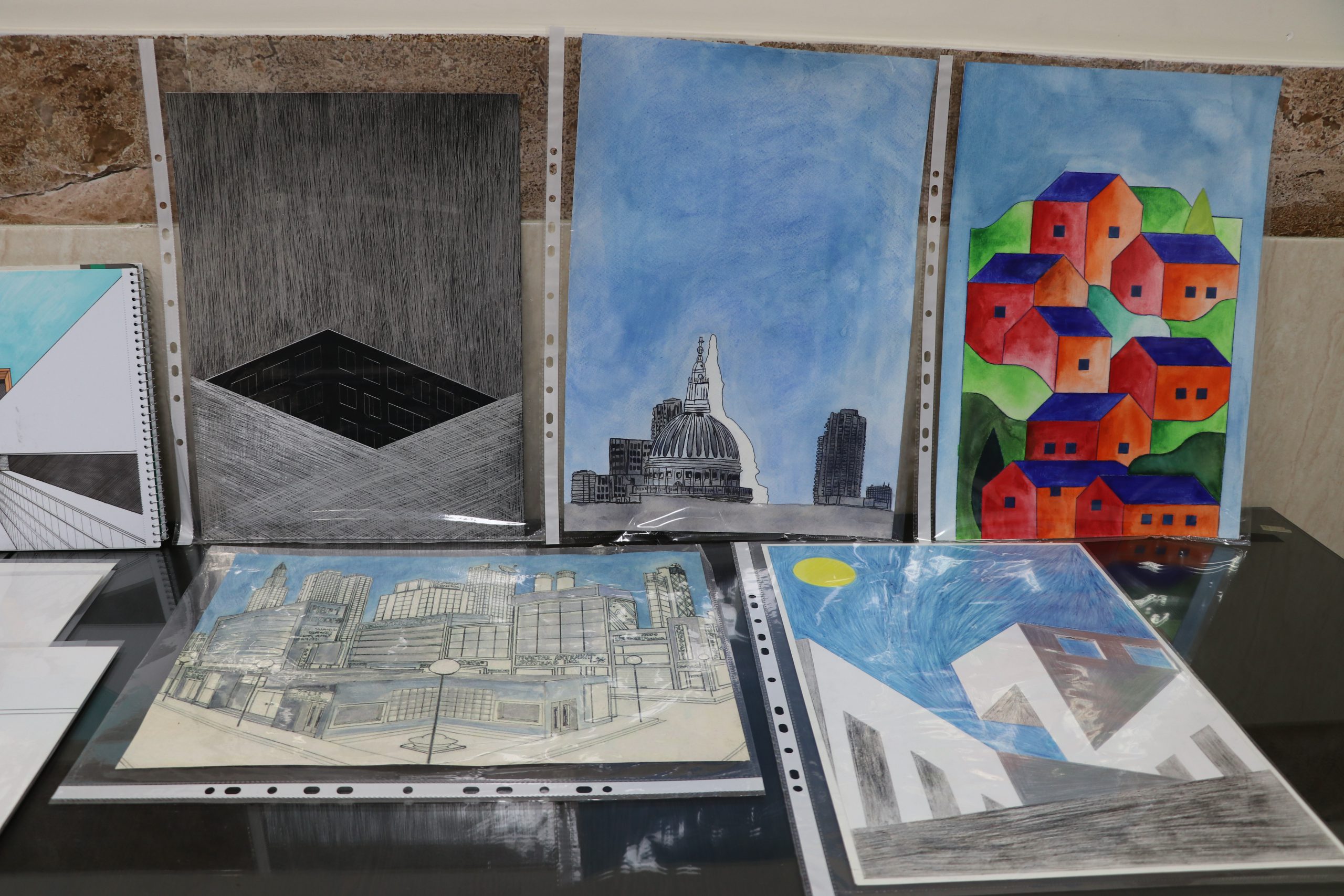
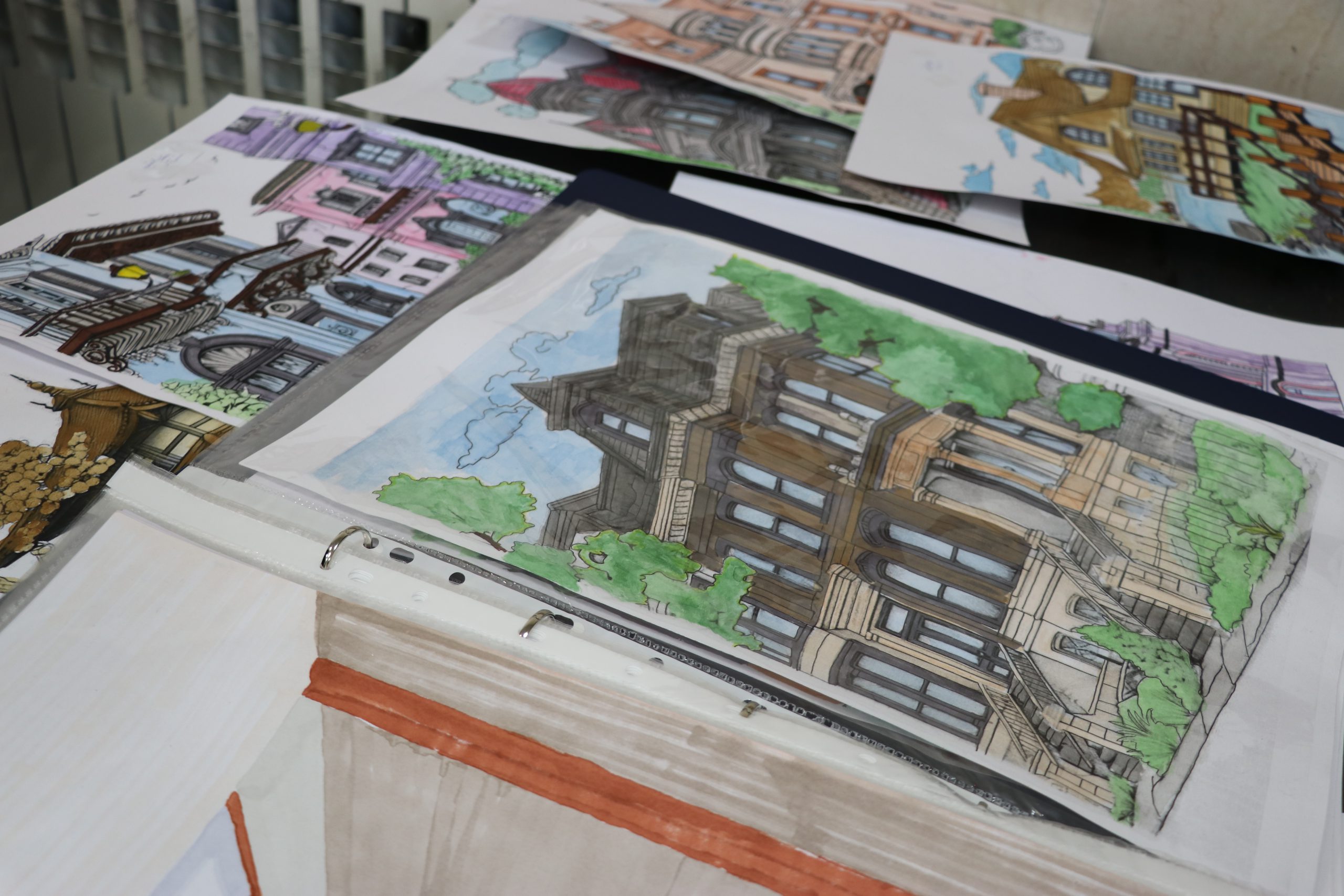
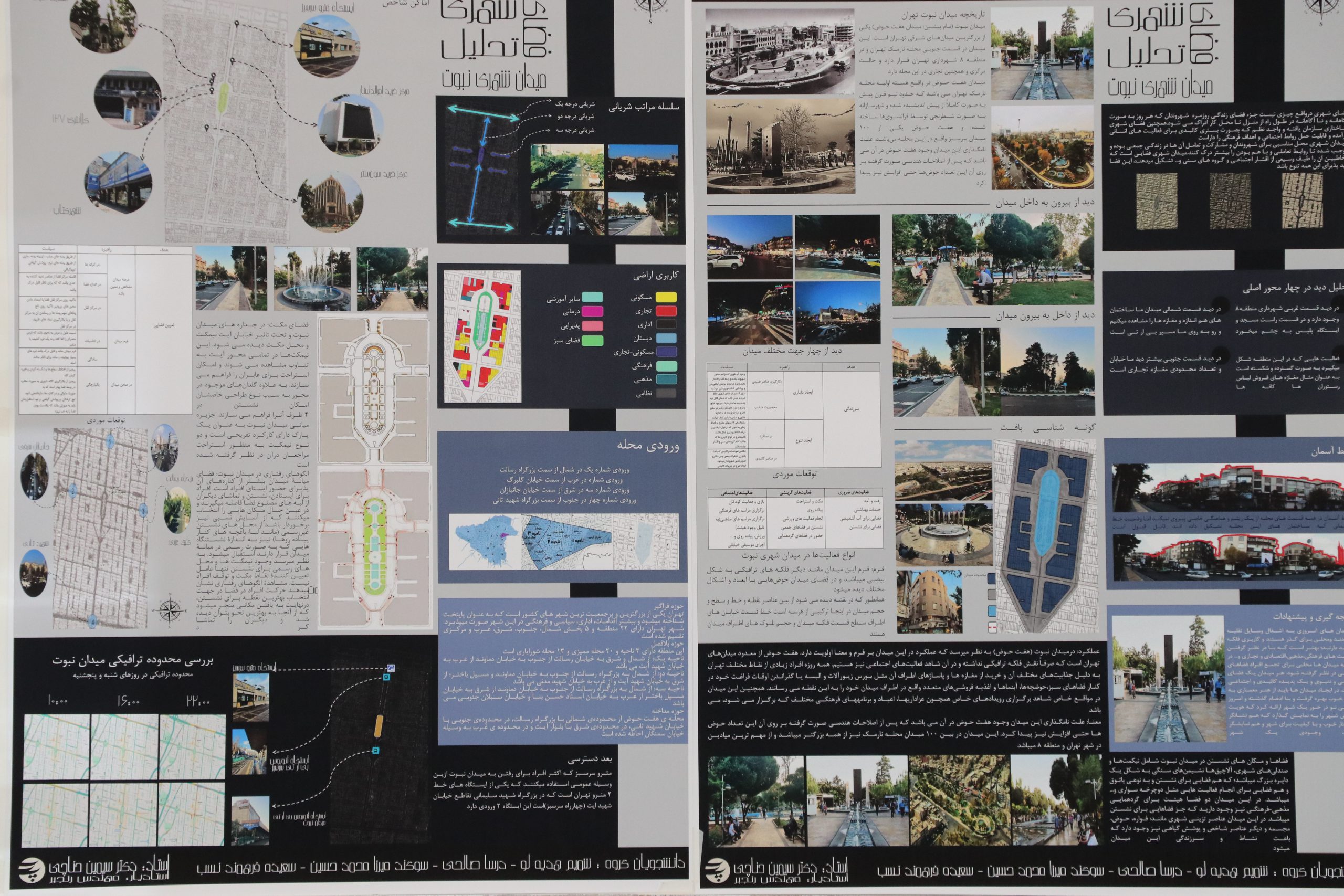
Gallery