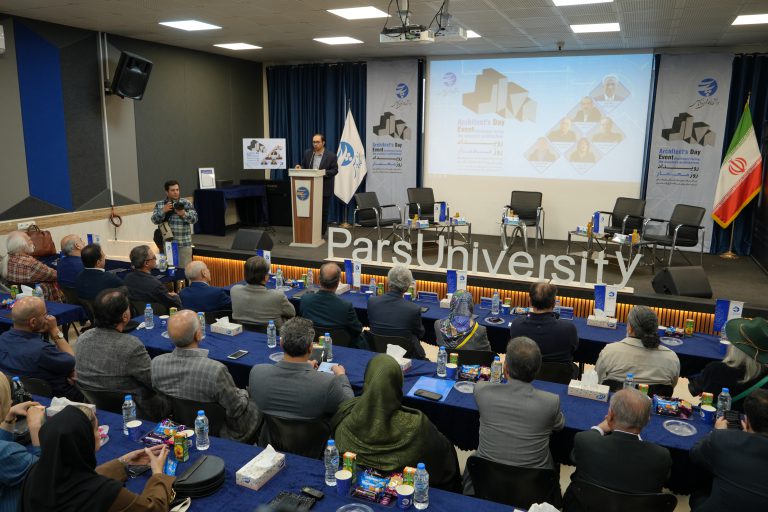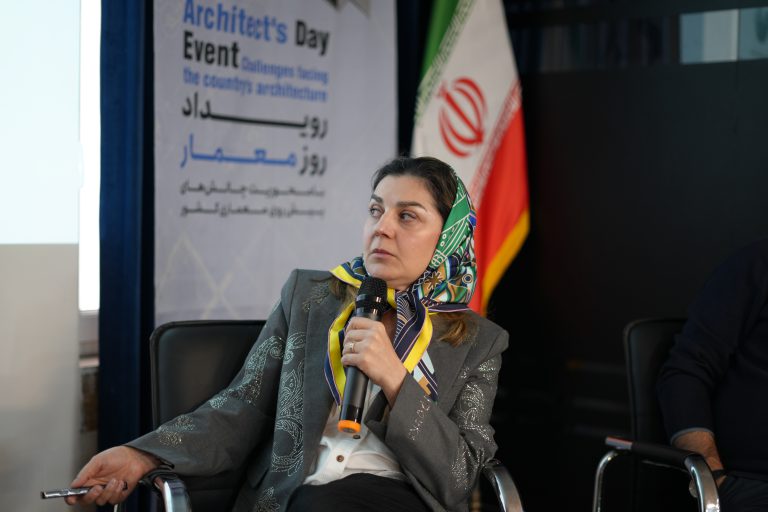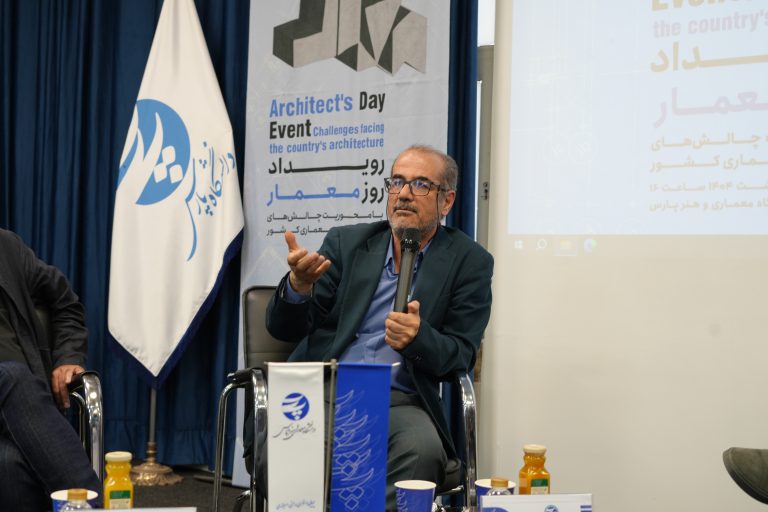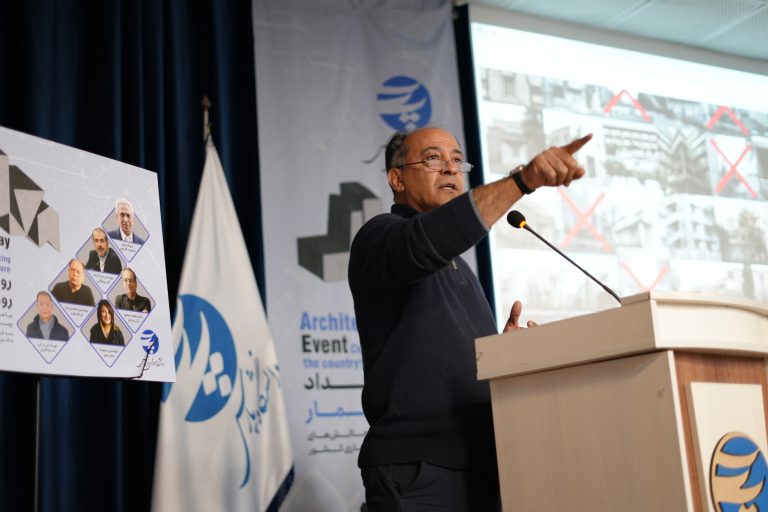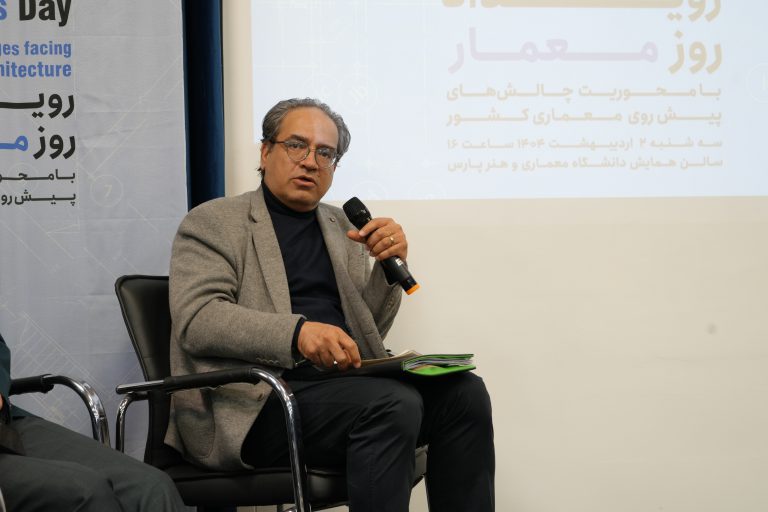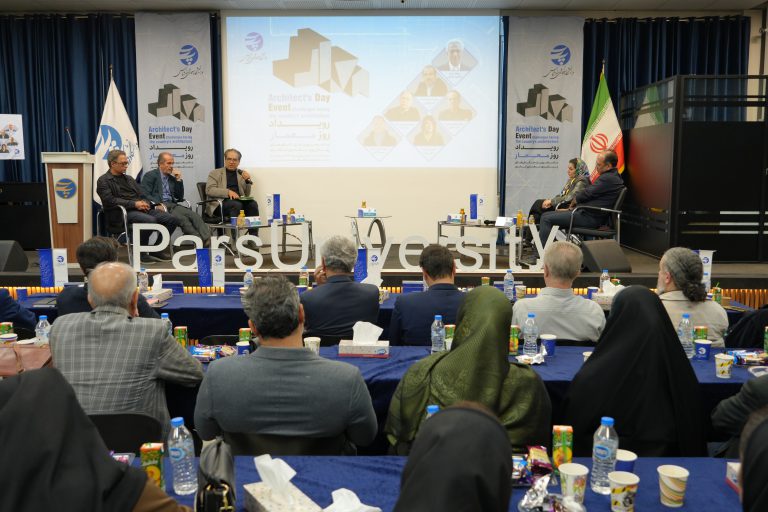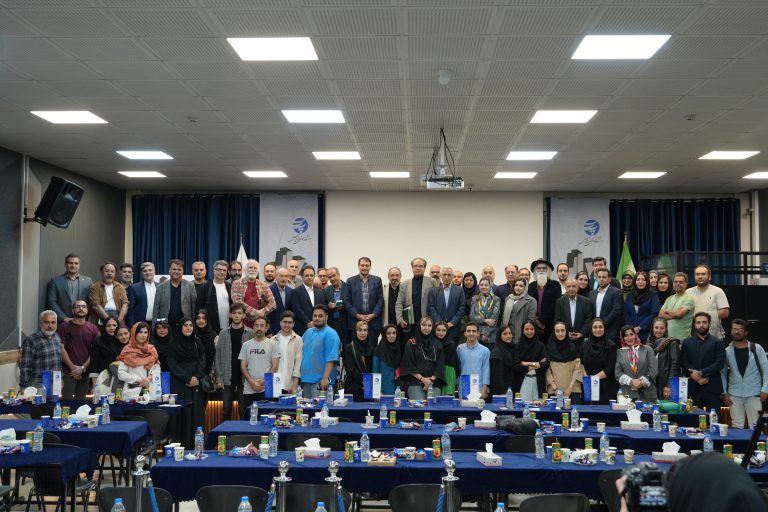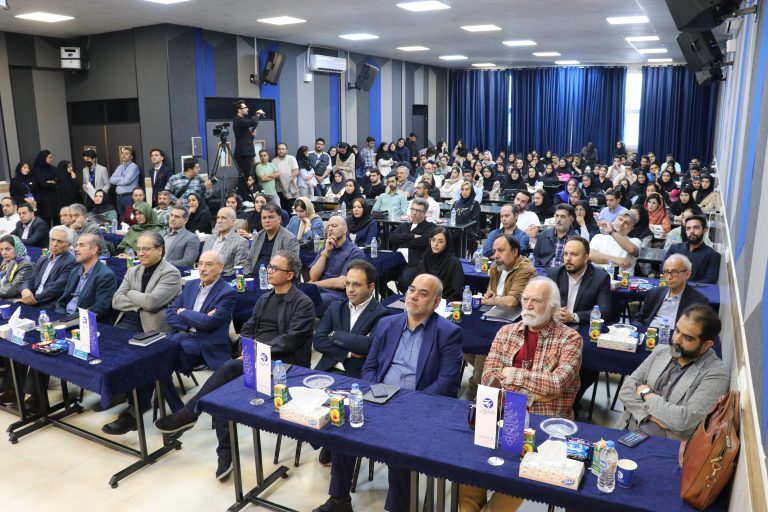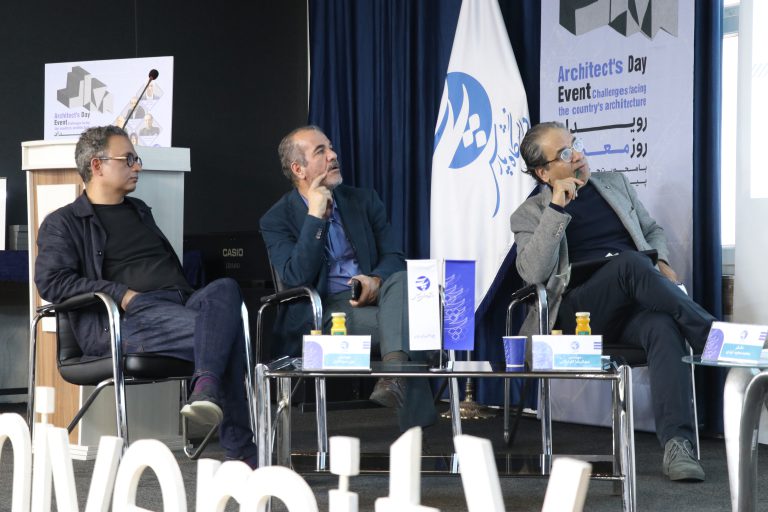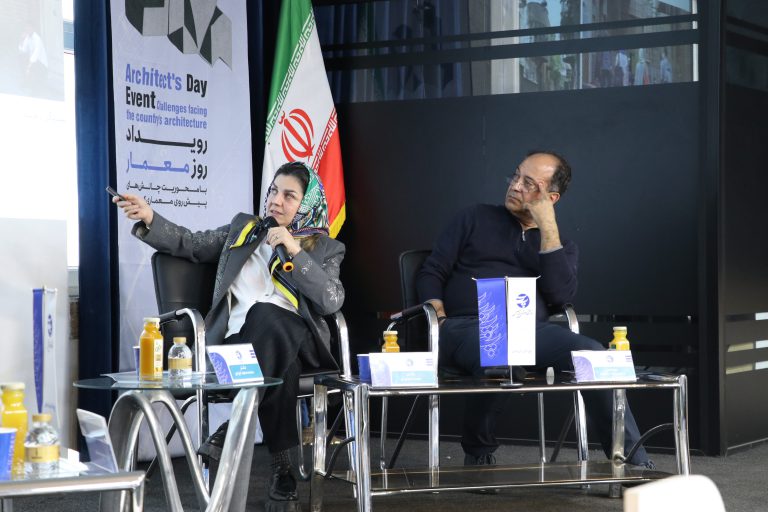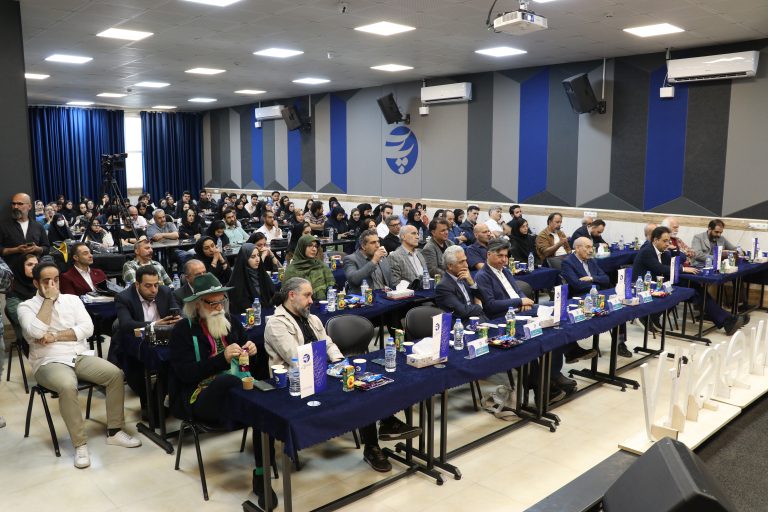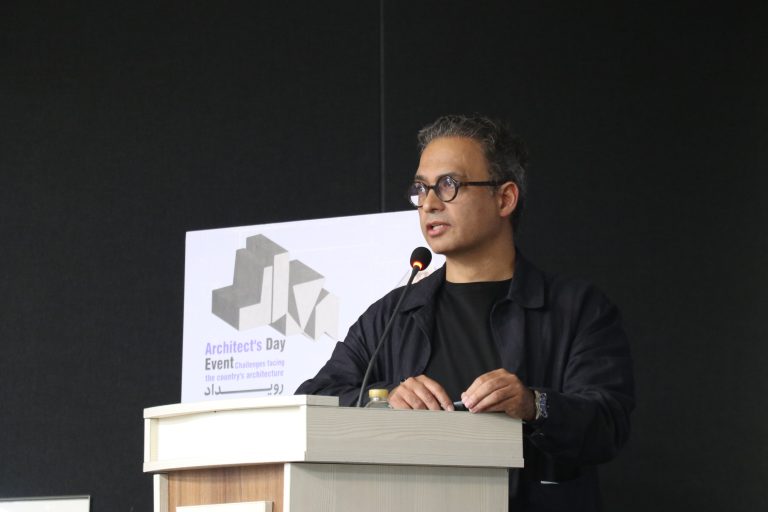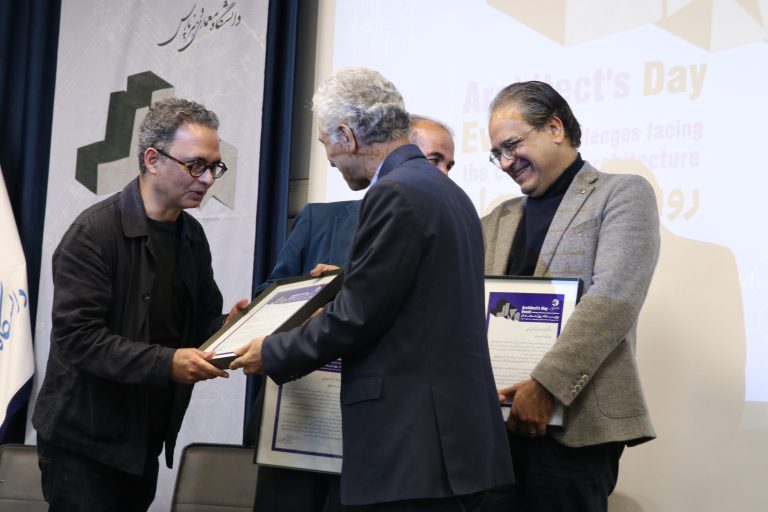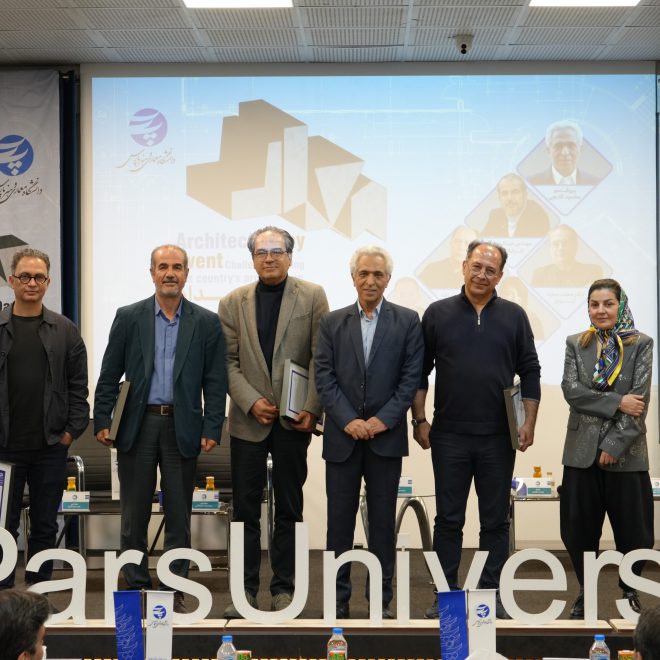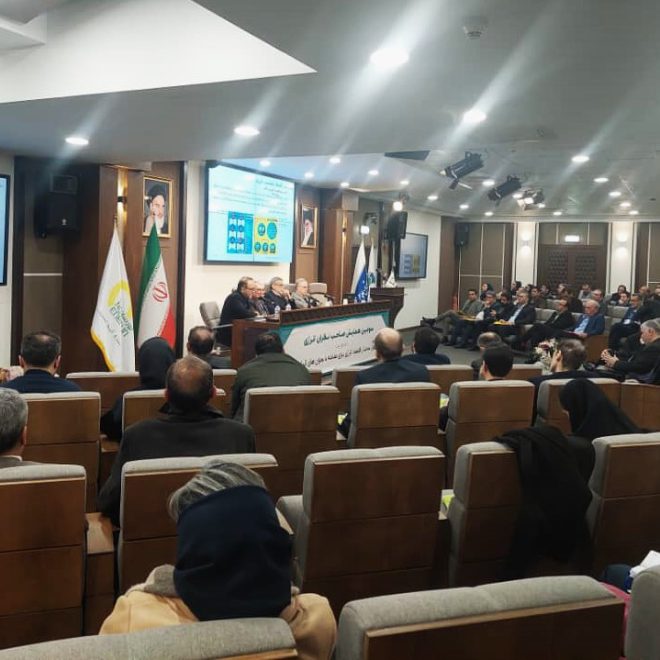
The Architect’s Day commemoration event, themed “Exploring the Challenges Facing Architecture in Iran,” was held at the Pars University of Architecture and Art conference hall.
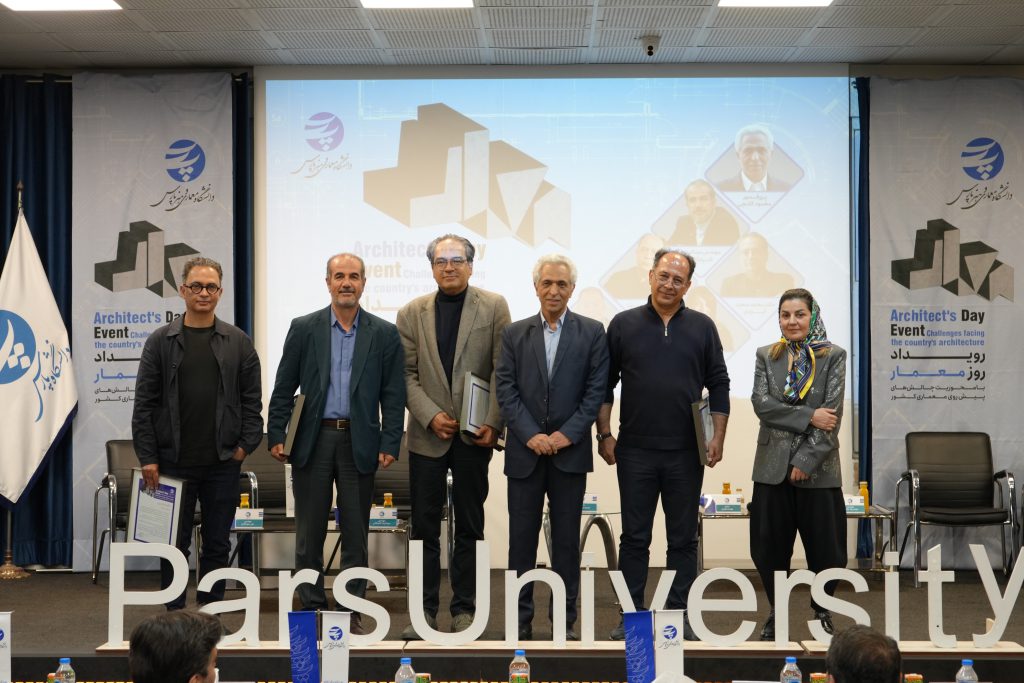
The event featured Professor Mahmoud Golabchi, the founder of Pars University, along with a group of prominent professors, experts, and professionals in architecture and urban planning. According to the Public Relations Office of Pars University of Architecture and Art, the event took place on Tuesday, April 22 (Ordibehesht 2) and highlighted Professor Golabchi, who holds the UNESCO Chair in Architecture and is one of Iran’s most distinguished figures in the field. The event also welcomed many esteemed guests from the academic and professional communities. During this session, a special expert panel discussion was conducted with the participation of:
- Dr. Mohammad Saeed Izadi (Ph.D. in Architecture from Newcastle University, former Deputy Minister of Roads and Urban Development),
- Eng. Abdolreza Golpayegani (Deputy Minister of Roads and Urban Development, CEO of Iran Urban Regeneration Corporation),
- Eng. Mohammadreza Nikbakht (CEO of Zandigan Architectural and Restoration Consultants, judge of Iran’s Architecture and Interior Architecture Award),
- Dr. Mahsa Majidi (Founder of Bagh-e Irani Architecture Studio, WAN Global Architecture Gold Award winner),
- Eng. Ali Soudagaran (ECO HOUSE competition winner from Oxford Brookes University, designer of major projects such as the Persepolis Museum and Saadiyeh Cultural Complex).
Each panel member critically examined the current state of architecture in Iran from their own professional perspectives and shared valuable experiences with the audience.
As the panel moderator, Dr. Izadi introduced the speakers and highlighted their significant achievements in historic urban regeneration, architectural modernization, and urban management.
- Mahsa Majidi opened the session by sharing her experiences with projects such as Hana Boutique Hotel, West Urban Platform, and Karstan mixed-use development. She elaborated on the theory of “Return to the Center,” reflecting on her journey from the Sangtarashan neighborhood in Isfahan to the Rudaki Cultural Zone in Tehran. She emphasized the overlooked potential of inner-city fabric and the architect’s vital role in reviving social life and creating transitional spaces within urban cores.
- Abdolreza Golpayegani, adopting a holistic perspective on identity and authenticity in Iranian architecture, argued that architectural design devoid of cultural and historical understanding lacks identity. He stated that authentic architecture is a fusion of culture, music, literature, and art, and criticized the purely physical approach to contemporary construction as misguided. He described architecture as a living entity that requires suitable space and conditions to thrive. Additionally, he criticized the current trend of urban renewal and called for a serious revision of urban design policies, emphasizing the need for deeper consideration of cultural and social contexts.
- Mohammadreza Nikbakht reviewed citizens’ rights in urban environments, stressing the importance of public involvement in shaping the future of cities. He explored participatory architecture models used in developed countries and, noting the widespread destruction in Tehran, called for a rethinking of restoration and urban regeneration approaches that preserve collective memory.
- Ali Soudagaran described the process of renewal and revitalization in the historical neighborhoods of Shiraz and Isfahan. He argued that it is possible to create dynamic, multifunctional spaces for contemporary life while honoring historical identity. He introduced projects implemented in both cities and advocated for the “Addition Strategy” in urban revitalization as a safer, more context-sensitive alternative to the often-destructive “Aggregation Model.” He also emphasized the crucial role of the private sector in such projects, sharing successful examples where a deep understanding of urban life led to positive outcomes.
- At the close of the session, Izadi, summarizing the viewpoints, pointed to the identity crisis in Iranian architecture and stressed the need for pioneering architects to reconnect the past, present, and future of Iranian cities through exemplary models.
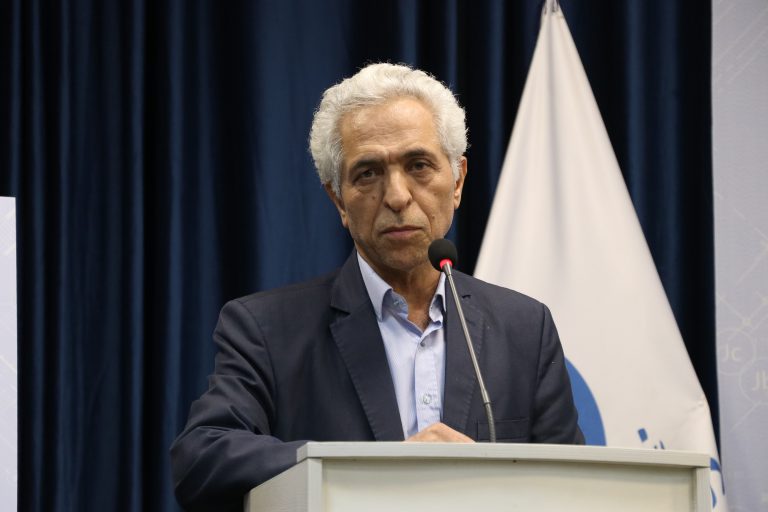
- Professor Golabchi, after congratulating participants on Architect’s Day, underscored the importance of continuing the dialogue around authentic, identity-driven architecture. He stated, “Architecture is a mirror of civilization, culture, belief, and the human quality of life.” He noted that this gathering marked the beginning of new approaches for the advancement of national architecture and emphasized the need to preserve historical urban fabric, prioritize human-centered design, and avoid chaos in urban form and structure.
- He concluded by urging universities, executive bodies, and professionals to collaborate in creating innovative and sustainable architectural models rooted in Iranian heritage.
- The event received wide attention and participation from students, professors, and architecture enthusiasts, serving as a dynamic platform for the exchange of ideas on contemporary architecture and its challenges in Iran.