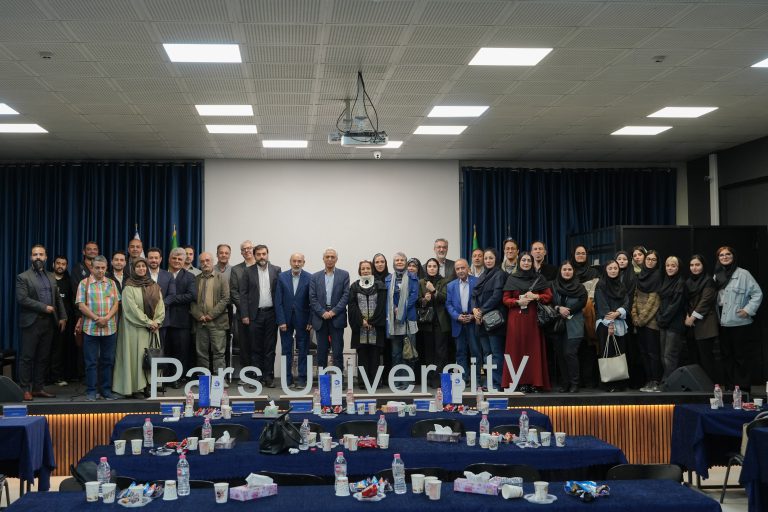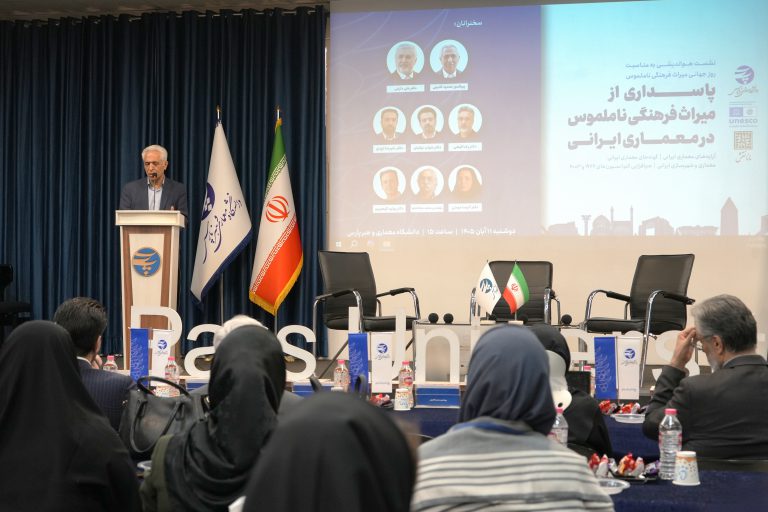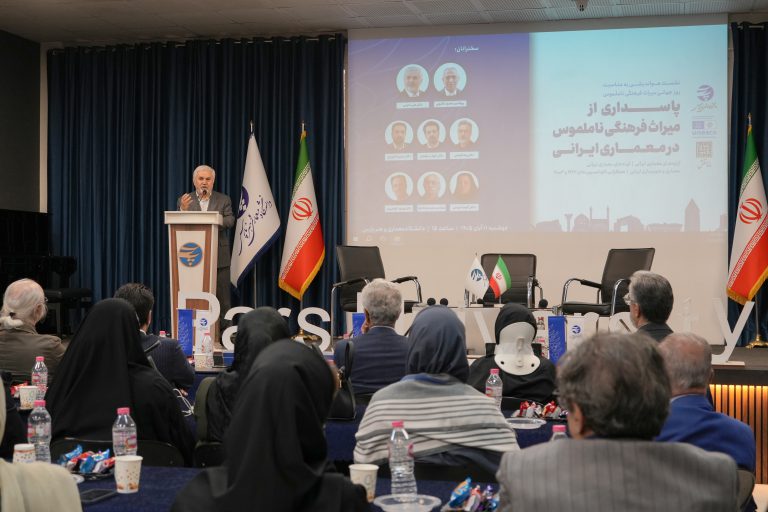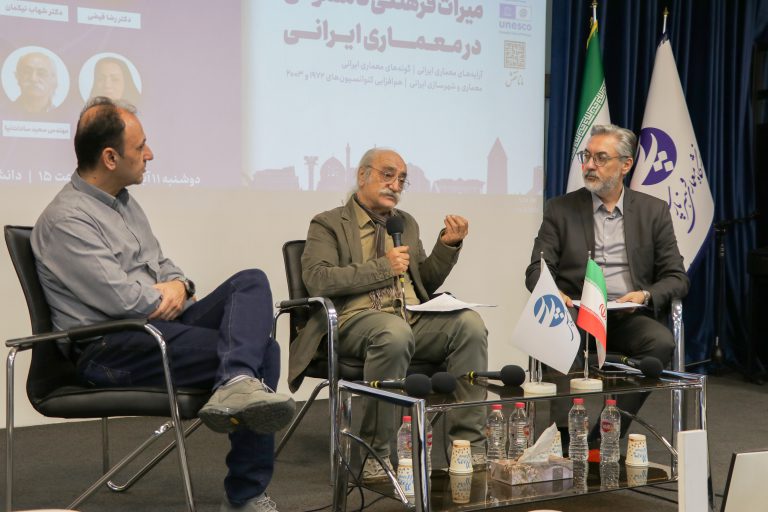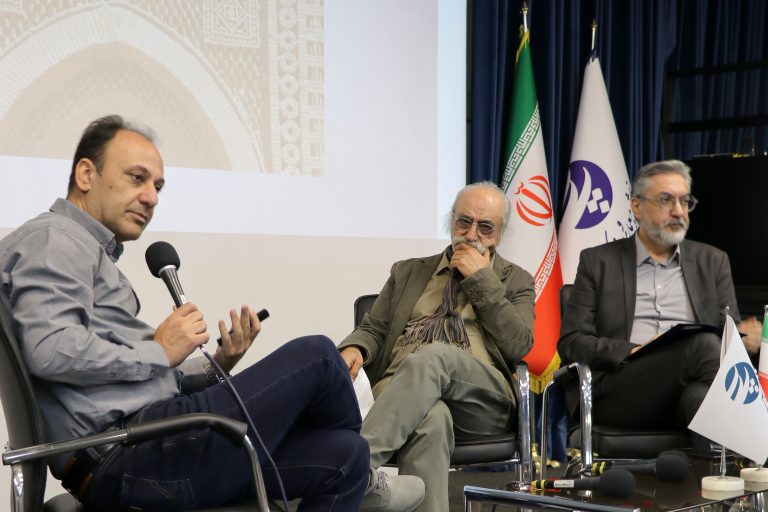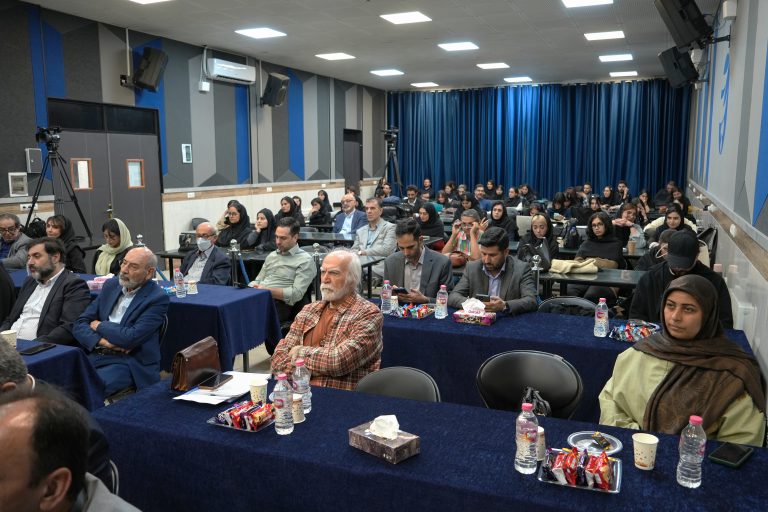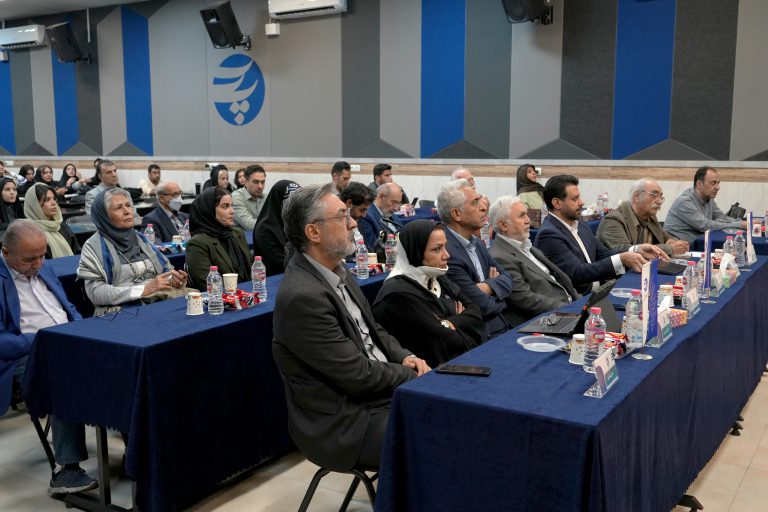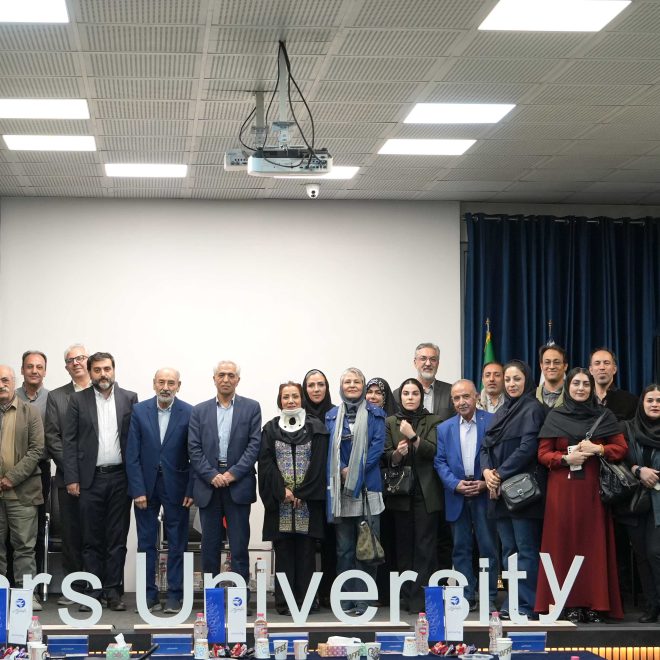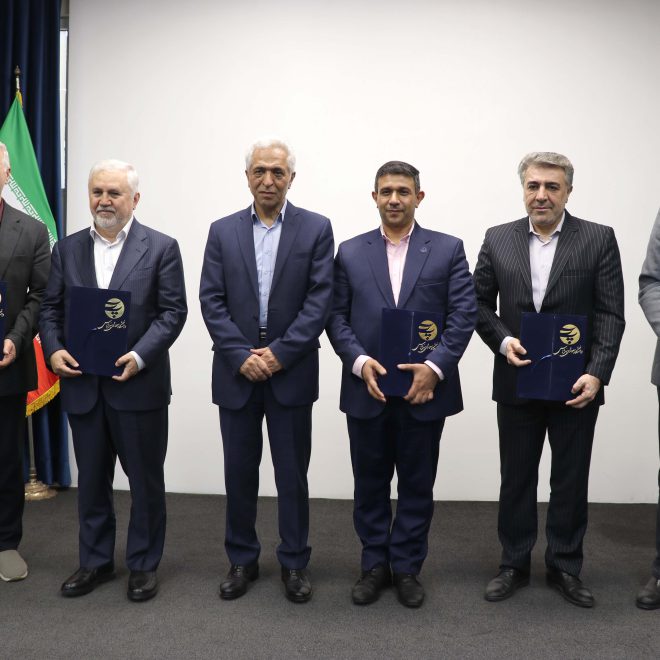
To mark World Intangible Cultural Heritage Day, a roundtable discussion on safeguarding intangible cultural heritage in Iranian architecture was held at the conference hall of Pars University, attended by a number of prominent national officials, academics, and researchers, as well as students and other interested participants.
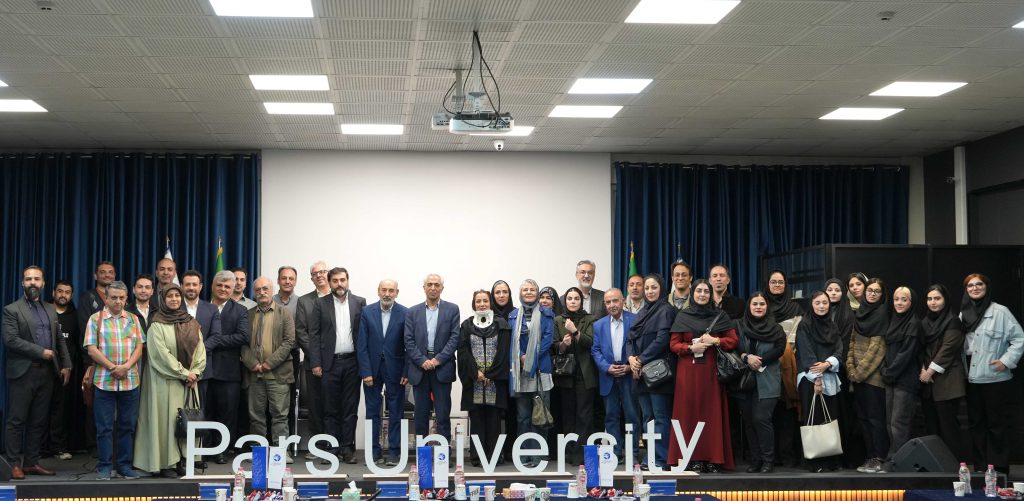
According to the Public Relations Office of Pars University of Architecture and Art, a roundtable discussion on safeguarding intangible cultural heritage in Iranian architecture was held on Monday, November 2, 2026 (11 Aban 1405), at the conference hall of Pars University. The event was attended by a number of prominent national officials, academics, and researchers, as well as students and other interested participants.
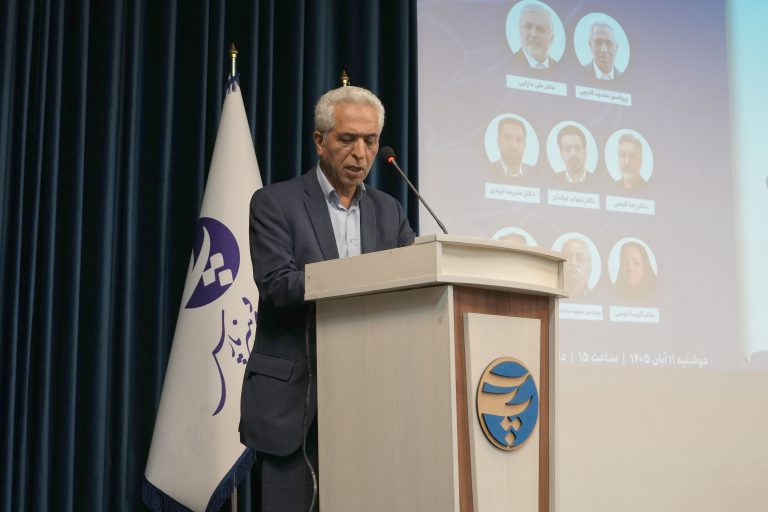
At the opening of the meeting, Professor Mahmoud Golabchi (Founder of Pars University and holder of the UNESCO Chair in Architecture) highlighted the importance of preserving the country’s cultural heritage as an integral part of Iran’s history and grandeur. He went on to explain that intangible cultural heritage encompasses a body of knowledge, beliefs, skills, rituals, traditions, ways of life, and cultural expressions passed down from one generation to the next. In essence, intangible heritage keeps a country’s collective memory alive through its knowledge, arts, practices, and traditions. Given its magnificent several-thousand-year history in architecture and art, Iran holds a particularly distinguished position in the field of intangible cultural heritage registration, and the efforts made in this area should also be duly acknowledged.
He classified intangible cultural heritage, in accordance with UNESCO conventions, into five main domains: oral traditions and expressions; performing arts; social practices, rituals, and festive events; knowledge and practices concerning nature and the universe; and traditional craftsmanship.
He further emphasized that, given the significance of historic buildings and their inscription on the World Heritage List, the buildings themselves are, naturally, tangible heritage. However, the ways in which spaces are used and the rituals associated with them constitute part of intangible heritage and deserve equal attention. He noted that the meeting focused on intangible cultural heritage through the lens of Iranian architecture, which represents an important part of the country’s valuable cultural legacy.
Professor Golabchi went on to present examples of tangible and intangible cultural heritage, including windcatchers, the distinctive features of traditional houses in Kashan, Yazd, and Kerman, and traditional bazaars. He concluded by emphasizing the mission and social responsibility of Pars University of Architecture and Art.
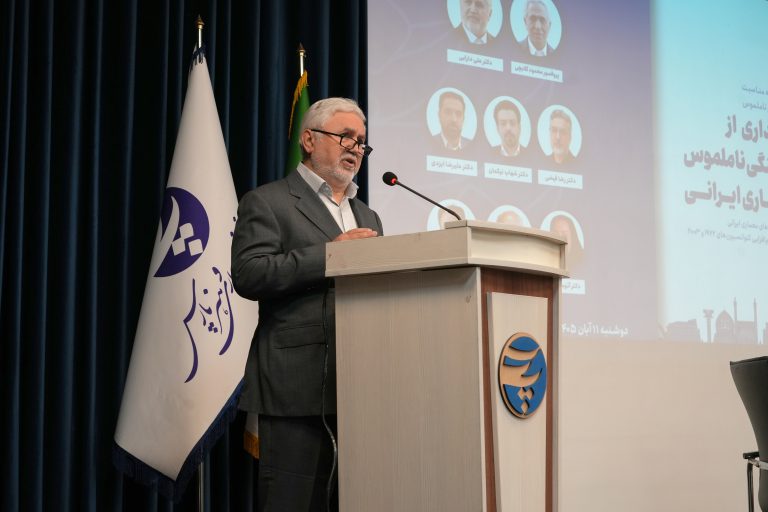
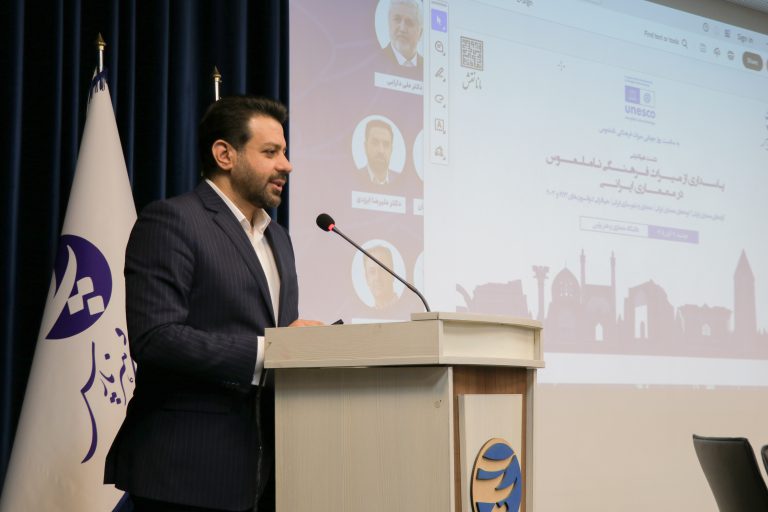
Dr. Ali Darabi (Deputy Minister and Deputy for Cultural Heritage, Tourism and Handicrafts) began by highlighting the importance of holding such meetings in safeguarding cultural heritage. He then presented reports from UNESCO and outlined activities and research undertaken in the cultural heritage sector.
He discussed the position and role of culture in Iranian history and stressed the need to safeguard the country’s cultural heritage. He also referred to the large number of heritage properties already inscribed on UNESCO lists, as well as the many others awaiting inscription. He concluded his remarks by emphasizing the importance of intangible cultural heritage.
Subsequently, Dr. Shahab Nikman (Managing Director of the Miras Mana Naqsh Cultural and Artistic Institute) expressed his appreciation to Pars University and Professor Golabchi for their support of cultural heritage. He then introduced the concept of intangible cultural heritage and explored its common ground with Iranian architecture.
At the beginning of his presentation, he explained the definition of heritage and how it differs from a heritage property, introduced the concept of culture, and outlined the various domains of intangible cultural heritage. Addressing the concepts and manifestations of intangible cultural heritage, he noted that, under the 1972 Convention, a monument or heritage property is inscribed, whereas in the field of intangible cultural heritage, it is not a physical property that is inscribed, but rather a cultural element or component. He also explained that heritage bearers, social functions, knowledge and skills, rituals, and traditions are among the constituent elements of intangible cultural heritage.
Dr. Nikman went on to state that all the aspects discussed ultimately serve one common objective: safeguarding intangible cultural heritage. Safeguarding, he explained, means passing on to future generations the legacy entrusted to us by those who came before us.
In the final part of his presentation, he examined the points of intersection between intangible cultural heritage and Iranian architecture and introduced examples of this relationship. He concluded by raising three important questions:
- Is it possible to preserve historic buildings without safeguarding the intangible cultural heritage (knowledge and skills) associated with them?
- From the perspective of intangible cultural heritage, how can Iranian architectural traditions be applied to meet the needs of contemporary life and respond to climate change?
- What roles should universities, master craftspeople, local communities, and cultural heritage institutions play in safeguarding the intangible cultural heritage of Iranian architecture?
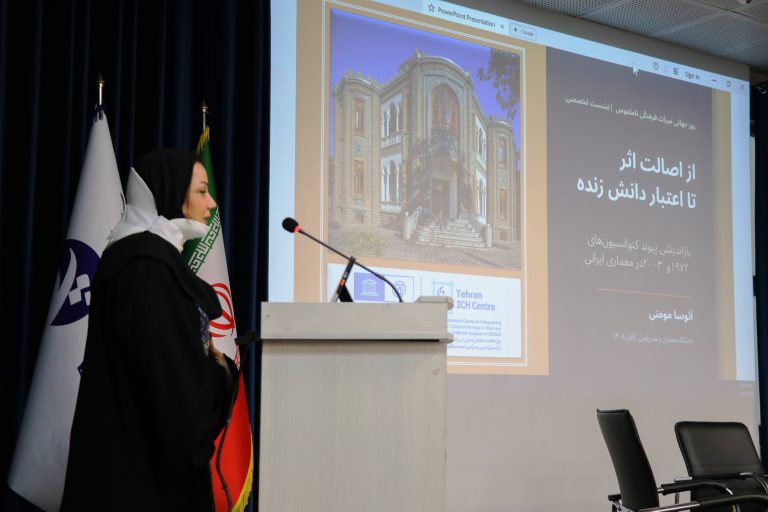
Dr. Atousa Momeni (Head of the Regional Research Centre for Safeguarding Intangible Cultural Heritage) focused her presentation on the theme “From the Authenticity of Heritage Properties to the Credibility of Living Knowledge.” Her remarks examined the challenges facing intangible cultural heritage in Iranian architecture from the perspective of the 1972 and 2003 UNESCO Conventions. At the outset, she emphasized that intangible cultural heritage is often affected before tangible heritage suffers damage. While the destruction of a monument does not necessarily mean that its associated knowledge is lost, its physical fabric, historical reference, and living knowledge may nevertheless disappear.
She then introduced the two conventions: the 1972 Convention, whose mandate is the protection of World Heritage, and the 2003 Convention, which focuses on safeguarding living heritage. Although the two conventions have distinct mandates, they share a common connection: recognizing the authenticity of heritage properties and safeguarding the knowledge behind their creation.
In the final part of her presentation, Dr. Momeni presented examples of destroyed heritage properties and, emphasizing that reconstruction is a dialogue among authenticity, knowledge, and community, highlighted the following points:
- The destruction of a heritage property can result in the loss of an essential reference for historical understanding.
- Documentation today provides the foundation for reconstruction tomorrow.
- Reconstruction has become an opportunity for the transmission of skills.
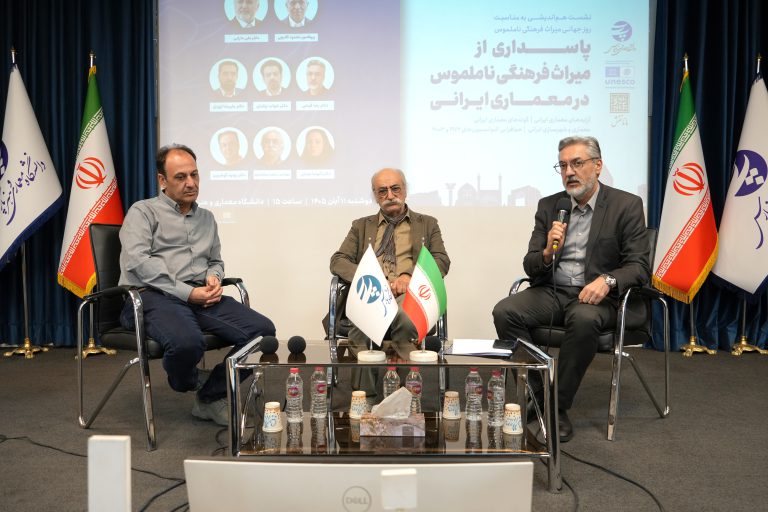
The final part of the roundtable discussion on safeguarding intangible cultural heritage in Iranian architecture featured a panel with Dr. Reza Feizi (researcher in cultural heritage, historic buildings, and historic urban fabrics, and professor at Pars University); Eng. Saeed Sadat-Nia (former Secretary of the Society of Consulting Engineers and Founder and Managing Director of Amood Consulting Engineers); and Dr. Behnoud Goharbin (researcher, scholar, and restorer of architectural ornamentation, as well as an instructor at Pars University).
At the beginning of the panel, Eng. Saeed Sadat-Nia, summarizing the issues raised during the meeting, posed the question of how to move beyond preserving the physical products of architecture towards safeguarding the cultural processes, methods of production, and continuity of architectural traditions. He went on to discuss fundamental cultural values and the importance of preserving the processes behind heritage creation, the knowledge involved, and the master craftspeople who sustain it. After offering several observations on tangible and intangible cultural heritage, he concluded by highlighting the importance of holding such meetings at Pars University.
Dr. Behnoud Goharbin introduced various forms of architectural ornamentation, including brickwork, stucco decoration, and mirror work, presenting examples from existing Iranian heritage sites and discussing the intangible dimensions of these art forms. He also referred to historical books on Iranian architecture, noting that numerous examples of the practices they describe can be found in historic monuments. Geometric compositions, for instance, are among the tangible manifestations of this heritage.
At the conclusion of the panel, Dr. Reza Feizi summarized the discussions, describing intangible heritage as an expression of tangible heritage and emphasizing how difficult it is to separate the two. He stated: “Cultural heritage is the lived experience of humanity. If we shift our perspective on cultural heritage from viewing it as a luxury to understanding it through lived experience, heritage, whether tangible or intangible, can help make the challenges of the present less costly for us.”
He then discussed the garden management system in Qazvin as an example of intangible cultural heritage, describing it as a social, cultural, and historical management system with a history spanning a thousand years.
As the final speaker, Dr. Feizi, speaking as a member of the Pars University community, expressed his gratitude to the university for creating opportunities of this kind.
It is worth noting that Pars University of Architecture and Art, as a fifth-generation university, seeks to promote awareness and advance students’ knowledge by organizing specialized academic and cultural meetings and events, while providing opportunities for dialogue and the exchange of knowledge among experts, researchers, and academics.