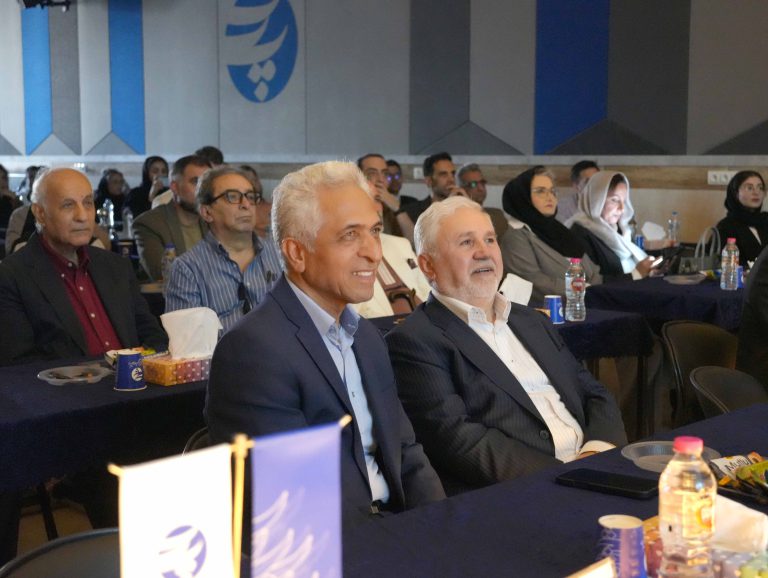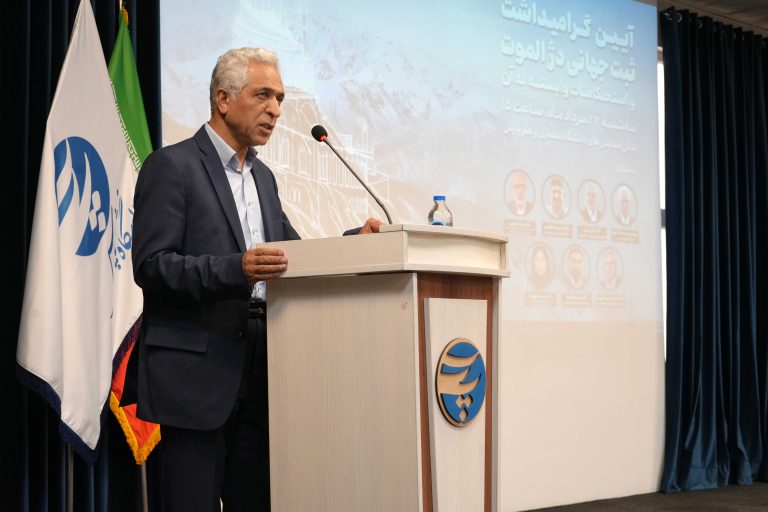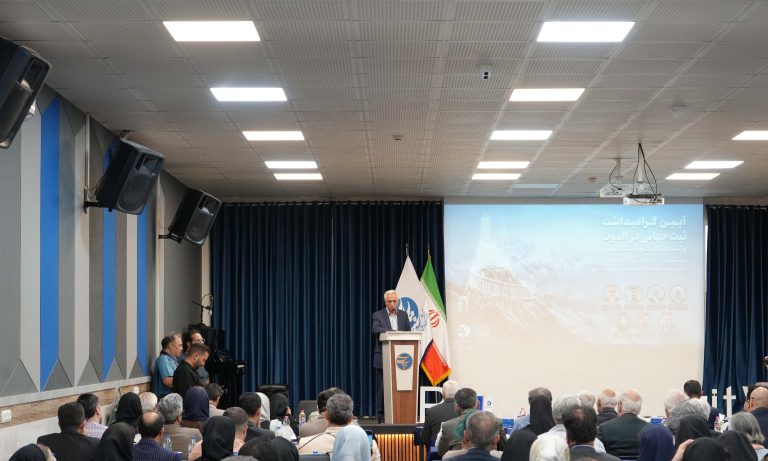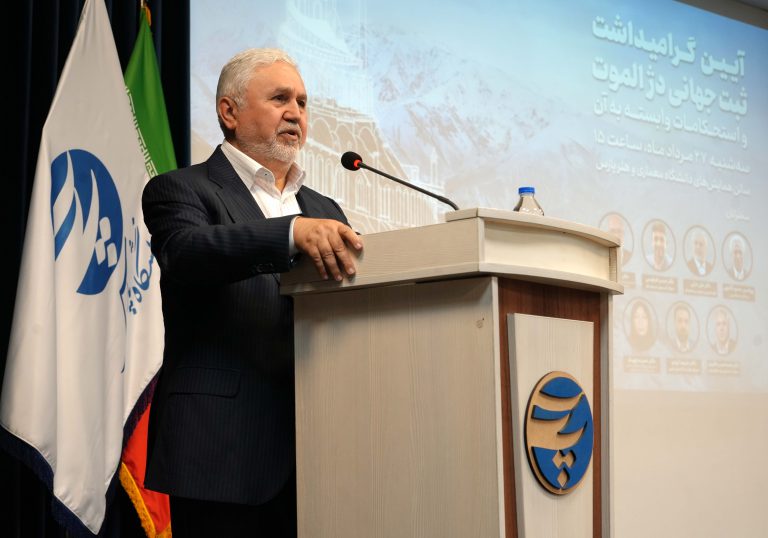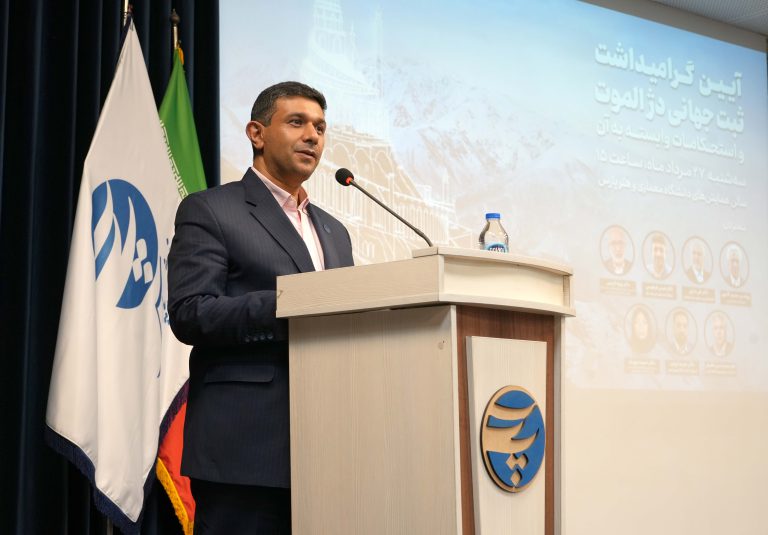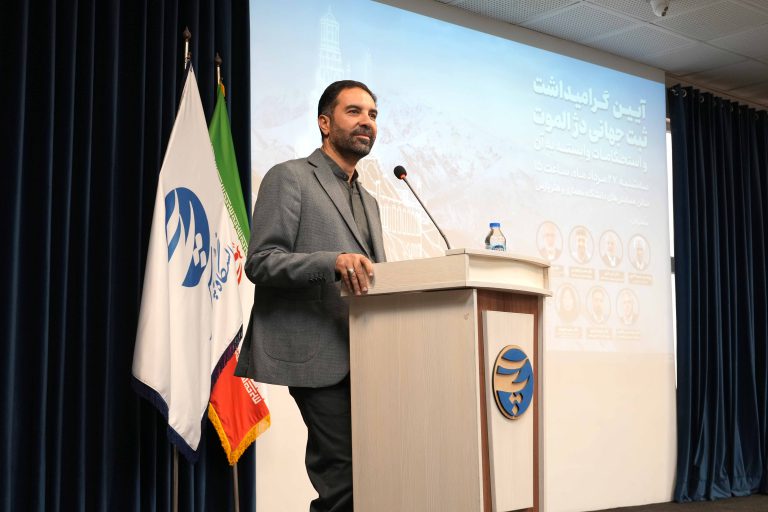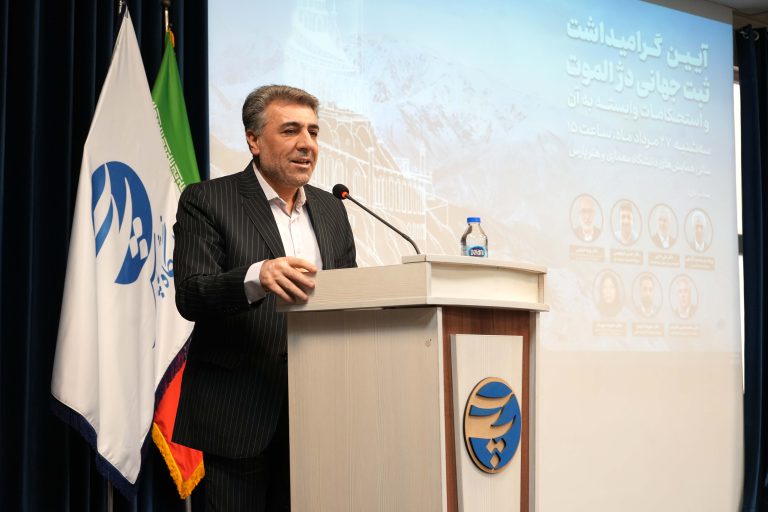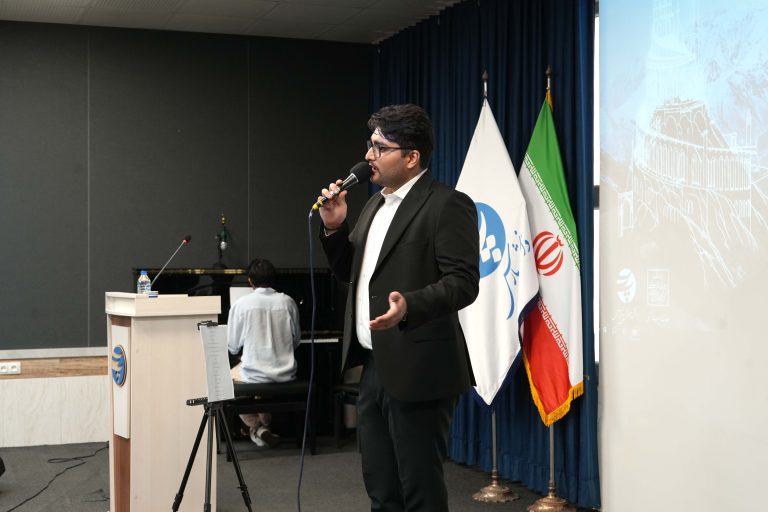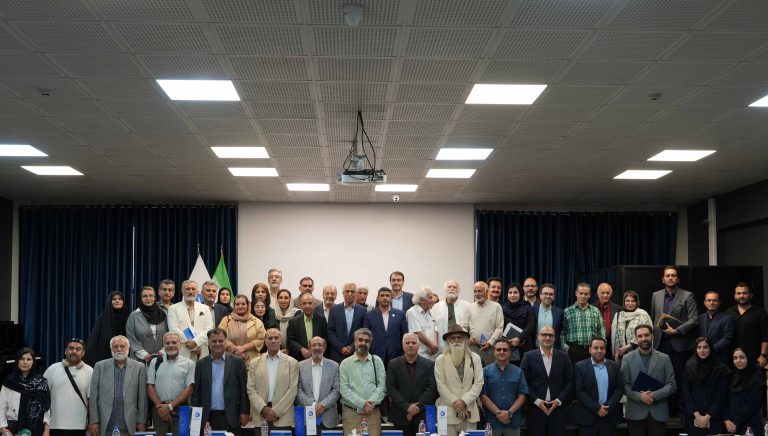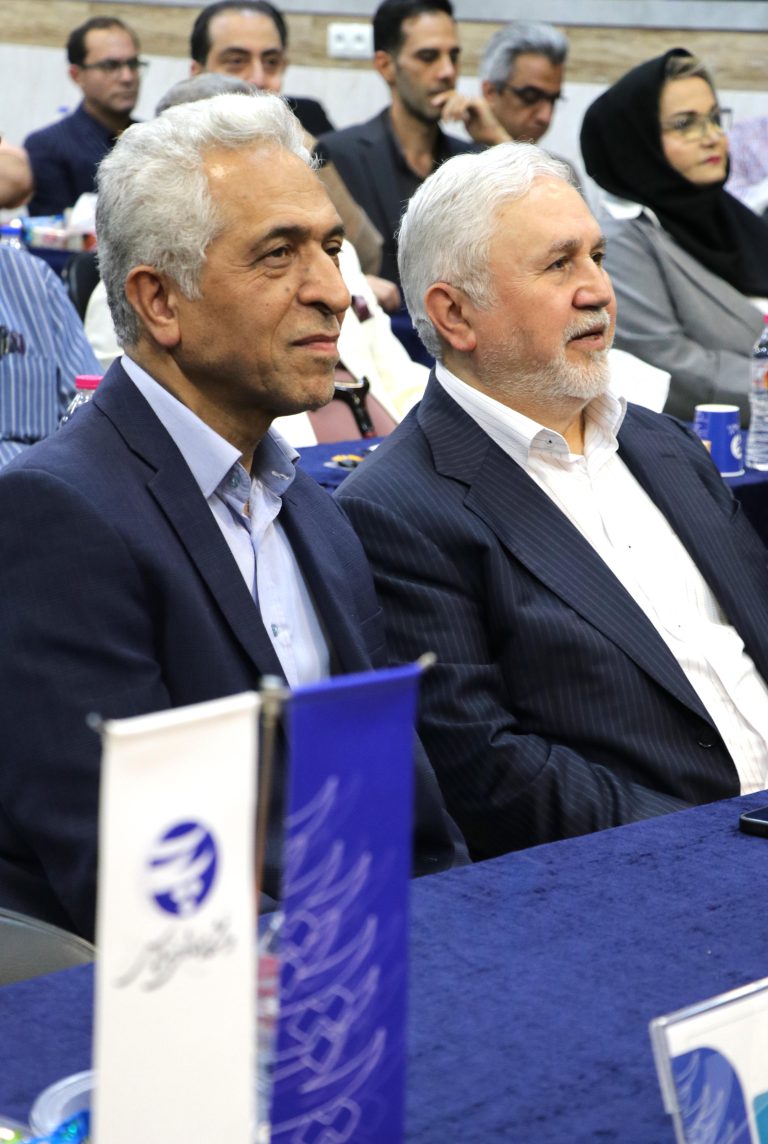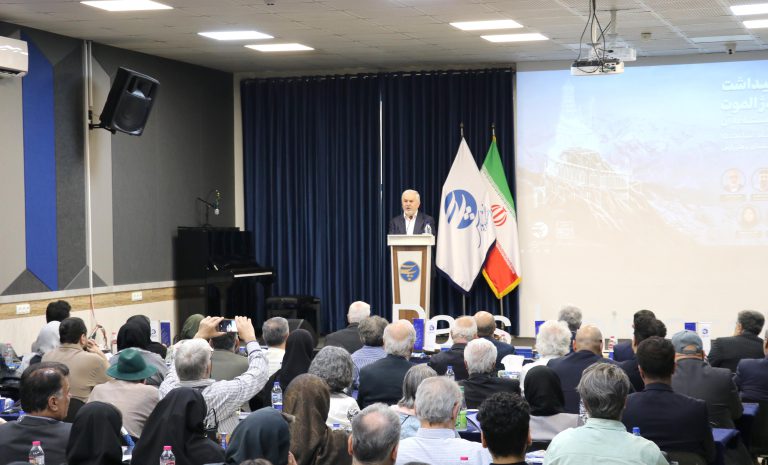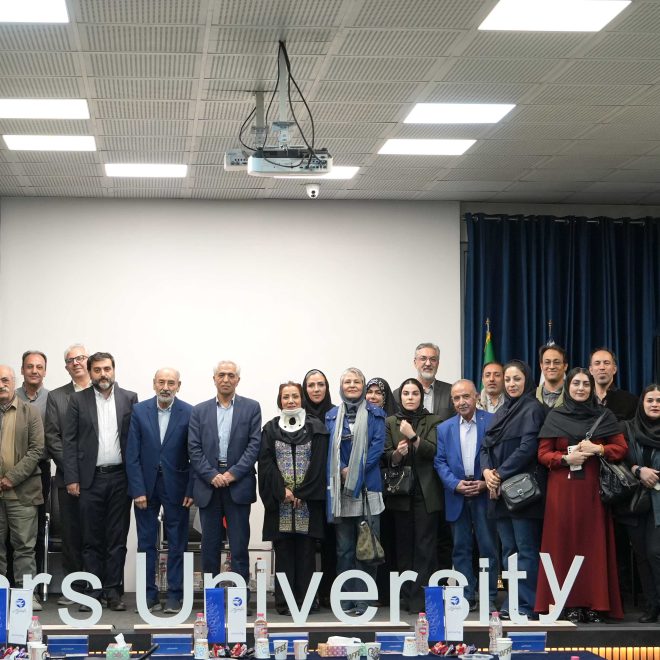
A ceremony commemorating the inscription of Alamut Castle and its associated fortifications on the World Heritage List was held at the conference hall of Pars University, attended by a number of prominent national officials, professors, and researchers, as well as students and interested participants.
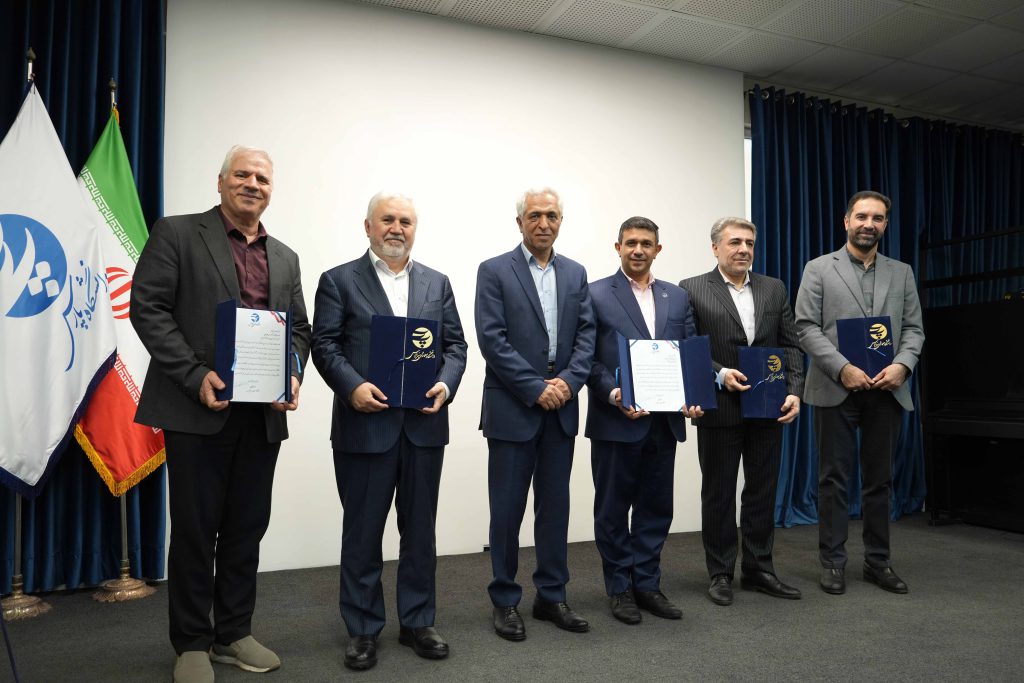
According to the Public Relations Office of Pars University of Architecture and Art, a ceremony commemorating the inscription of Alamut Castle and its associated fortifications on the World Heritage List was held on Wednesday, 27 Mordad, at the conference hall of Pars University, attended by a number of prominent national officials, professors, and researchers, as well as students and other interested participants.
At the beginning of the ceremony, Professor Mahmoud Golabchi (Founder of Pars University and holder of the UNESCO Chair in Architecture) introduced Alamut Castle and discussed the significance of this valuable historical and defensive architectural monument in our homeland. He emphasized that, given its geographical location and architectural design, Alamut Castle is considered one of the finest fortresses in the greater Iran region and can be regarded as a defensive system built upon a rocky outcrop. From the Ismaili period through subsequent eras, the castle was among Iran’s strongest military and defensive fortresses. In addition to its military features, another notable aspect of Alamut Castle is its system for transporting and storing water and food, as well as its storage facilities for provisions.
Professor Golabchi went on to address the importance of inscribing this valuable historical monument and the responsibilities that follow such recognition, including preparing maps and hypothetical reconstructions, as well as understanding its architectural and defensive characteristics. He expressed his appreciation to all those who, over several decades, had contributed to its archaeological studies and excavations and to identifying the various components of the castle. He also thanked the officials who, in recent years, had worked and made efforts to secure the inscription of this valuable historical monument of Iran on UNESCO’s World Heritage List.
He stated: “Our country, with its several thousand years of glorious history in engineering, is distinguished, among other things, by the creation of such remarkable sites, and we take pride in our homeland for this reason. We still have a long way to go in preserving and safeguarding such monuments, and with your support, we can take important steps towards protecting this land.”
At the conclusion of his remarks, Professor Golabchi emphasized the mission and social responsibility of Pars University of Architecture and Art in introducing and preserving the cultural heritage and treasures of our beloved country.
Dr. Ali Darabi (Deputy Minister and Deputy for Cultural Heritage, Tourism and Handicrafts) extended his congratulations on the inscription of Iran’s 30th tangible and natural heritage property among the 114 sites on the World Heritage List, placing the country among the world’s top ten in this field. He also congratulated Iran on the inscription of 27 elements of intangible cultural heritage, through which the country attained fourth place globally. Describing Iran as an open-air museum, he added that we take pride in our ancestors for their knowledge, art, and skills. He also referred to the prominent place of wisdom and rational thought in Iranian culture, noting that Alamut Castle had housed more than 400 volumes of books, demonstrating the importance attached to wisdom and rationality by our ancestors.
Referring to two previous meetings held at Pars University of Architecture and Art, he added: “At the previous meetings, I discussed the achievements resulting from a World Heritage inscription, the most important of which is introducing our historical heritage and assets to the world. Re-examining Iran’s historical diversity is also of great importance from another perspective, as it demonstrates that, despite the succession of different governments throughout history, our Iranian identity has endured.”
The Deputy Minister of Cultural Heritage, referring to studies conducted on Alamut Castle, discussed how the fortress was infiltrated and captured, as well as how Iranians transformed threats into opportunities, which is of considerable significance.
Dr. Hassan Fartousi (Secretary-General of the Iranian National Commission for UNESCO) also discussed the criteria for the inscription of Alamut Castle, stating: “Alamut Castle represents a cultural tradition, a system of governance, and a civilization. However, Alamut also meets other criteria, including being a masterpiece and an expression of human genius and creativity.” He added that opportunities for the exchange of human values over a period of time, the presence of libraries, prominent historical figures and scholars within the castle, and its outstanding architectural features were among the other important considerations and criteria for its inscription.
He stated: “The entirety of Iranian civilization encompasses all these indicators and criteria, whether as an embodiment of cultural traditions, masterpieces of human genius and creativity, or manifestations of human values, particularly in the field of architecture. Alamut Castle represents Iranian culture and civilization, and I hope this will create an opportunity for the flourishing of both domestic and international tourism in our beloved country.”
Dr. Alireza Izadi (Director General of the Office for Registration of Historical Properties) addressed the subject of the inscription of heritage sites on the World Heritage List, describing it as an effective means of presenting Iran’s true cultural capacities. He stated: “Inscription provides an opportunity to shape an image that not only presents cultural realities but also lays the groundwork for development. It also provides an appropriate foundation for sustainable development. Although such development is desirable, if it is not properly managed, it can lead to undesirable consequences, such as the destruction of Alamut. The fundamental principle governing the inscription of heritage properties is their protection. Alamut does not have the capacity to accommodate mass tourism; therefore, sound and specialized planning is essential.”
He emphasized: “The inscription of Alamut constitutes genuine confirmation of the authenticity of pure Iranian thought, enabling Iranians to proclaim the name of Iran in a resounding voice. Alamut is part of Iran’s identity, values, and authentic heritage. Iran is a name of great stature that, through the legacy of its people, will endure forever.”
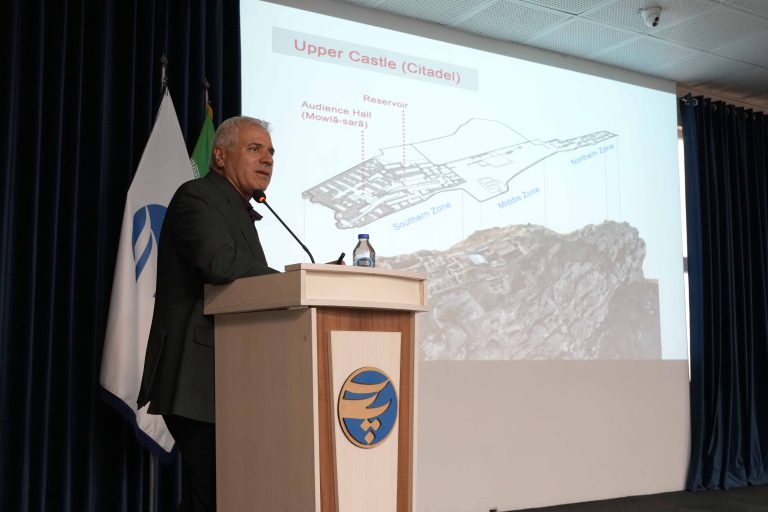
Dr. Mohammad Hassan Talebian (the official responsible for the registration and preparation of the Alamut Castle nomination dossier), explaining the process and procedures involved in the inscription of Alamut Castle, stated: “UNESCO considers several criteria when inscribing heritage properties on the World Heritage List, and all the relevant values have been incorporated into the nomination of Alamut Castle and its associated fortifications.” He added that, through this inscription, UNESCO seeks to emphasize the significance of Alamut Castle as a heritage site of the Ismailis, one that has important and substantial contributions to make to the world. He subsequently provided a detailed and comprehensive introduction to the Alamut region and Alamut Castle, accompanied by images.
Dr. Morad Enadi (Managing Director of Jam-e Jam Newspaper and author of the book *Rulers of Alamut*) began by acknowledging the efforts undertaken, particularly those of Dr. Hamideh Chobak, and her continuous presence in the region and dedicated work. He then referred to his own roots in the Alamut region and invited everyone to visit Alamut Castle. Recalling the past and Alamut’s appeal as a tourist destination for international visitors, he discussed the potential increase in the number of tourists following its inscription on the World Heritage List. He stated: “Undoubtedly, following this inscription, many tourists will travel to Alamut village. However, this development represents both an opportunity and a threat: an opportunity for the village to become better known, and a threat to the preservation of the Alamut region’s pristine character.”
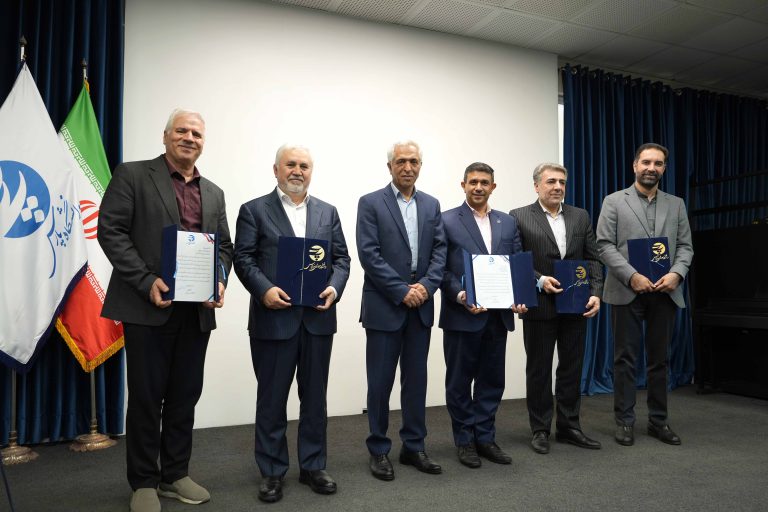
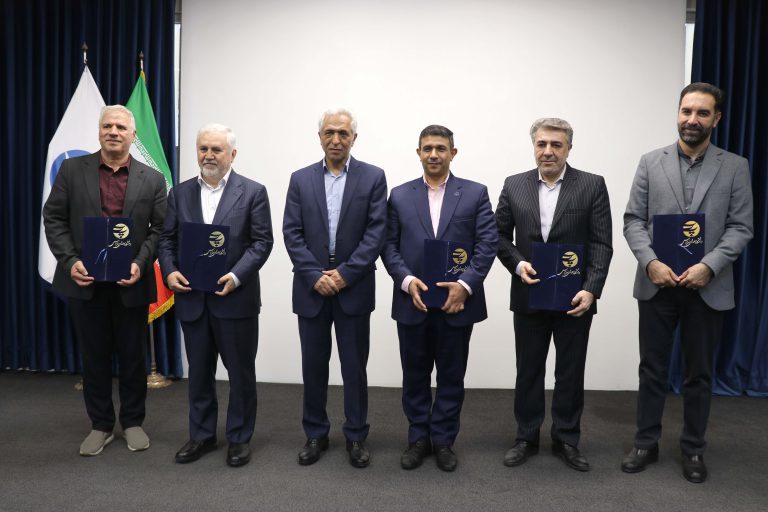
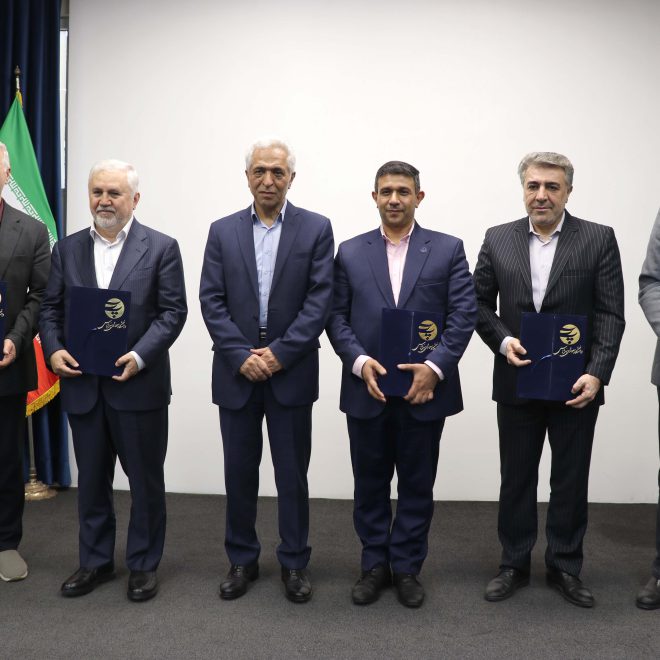
At the conclusion of the ceremony, the speakers and members of the committee responsible for the World Heritage inscription of Alamut Castle and its associated fortifications were honored with certificates of appreciation.