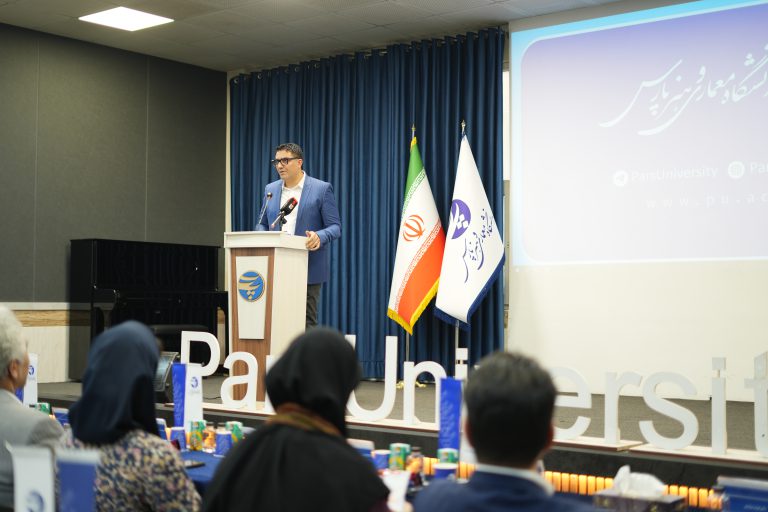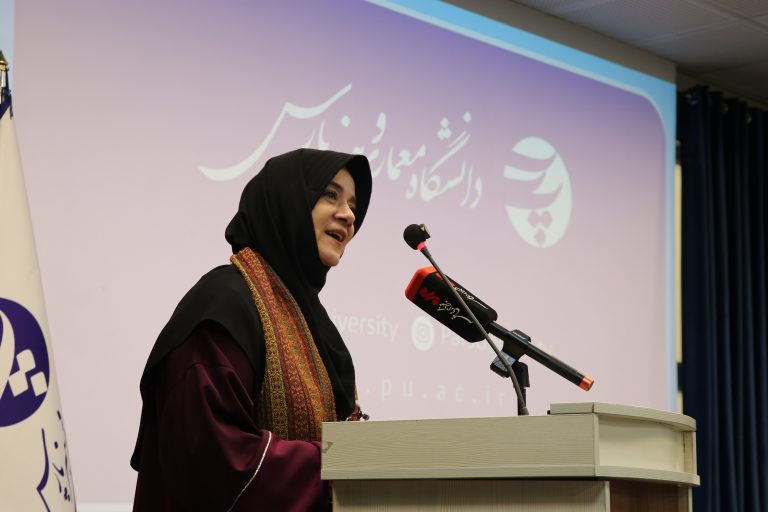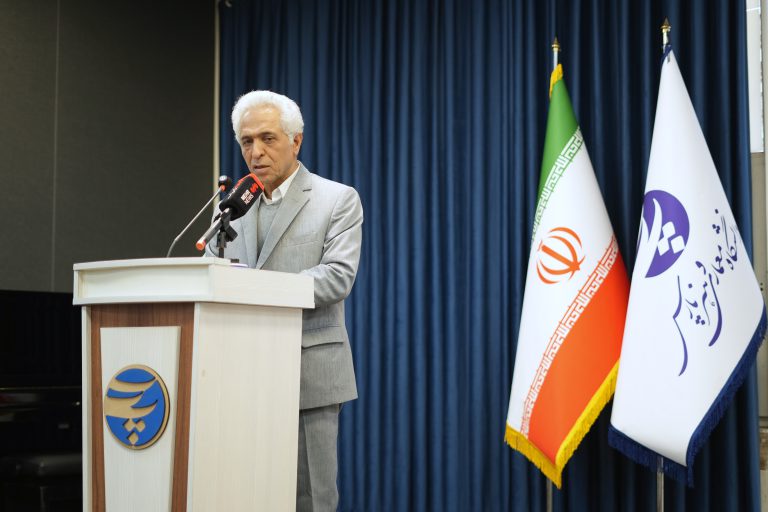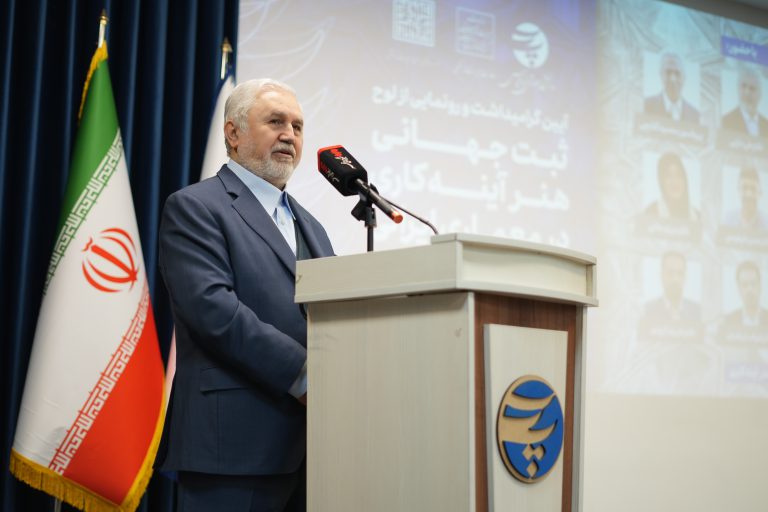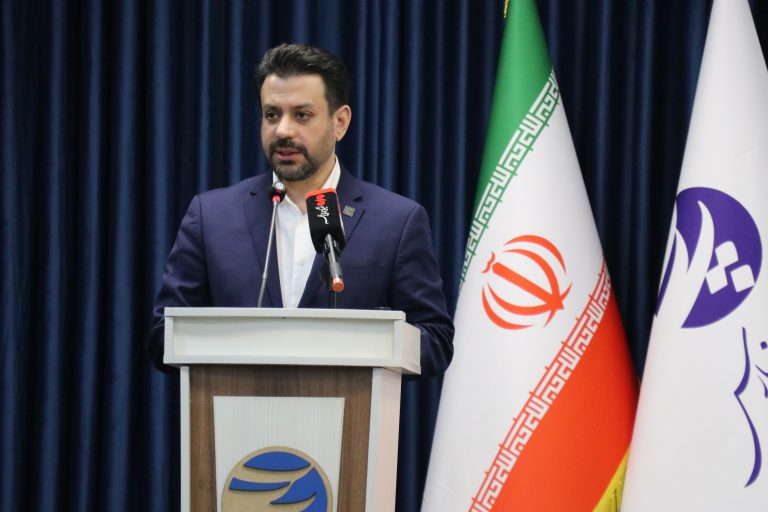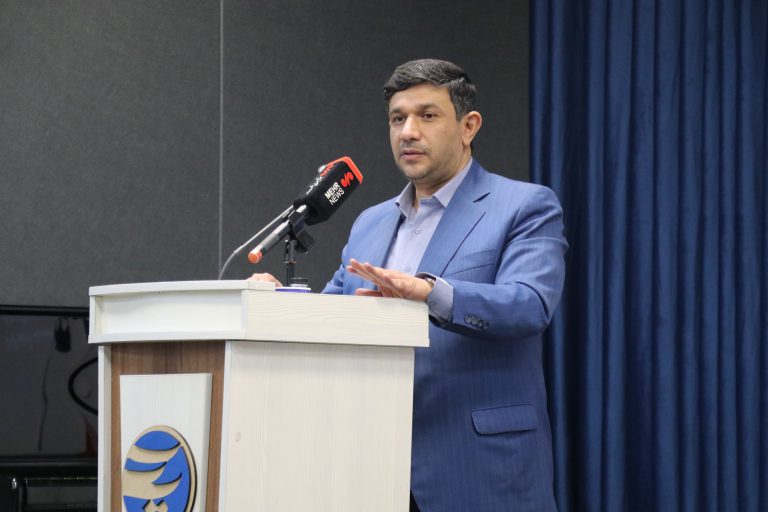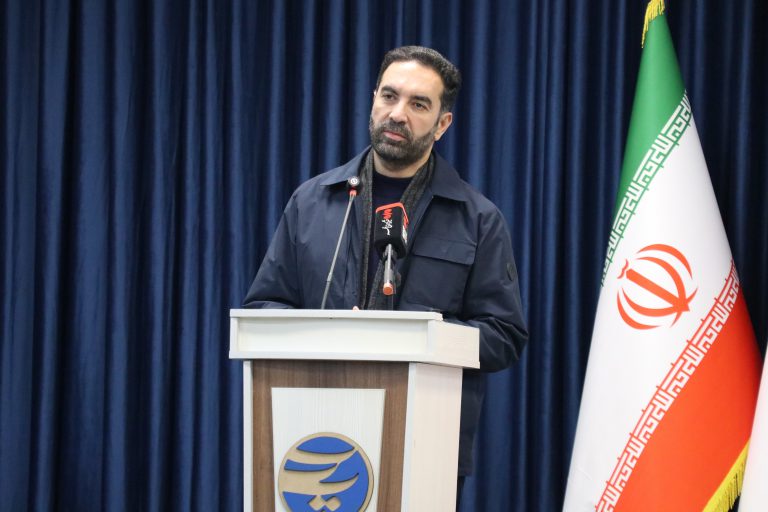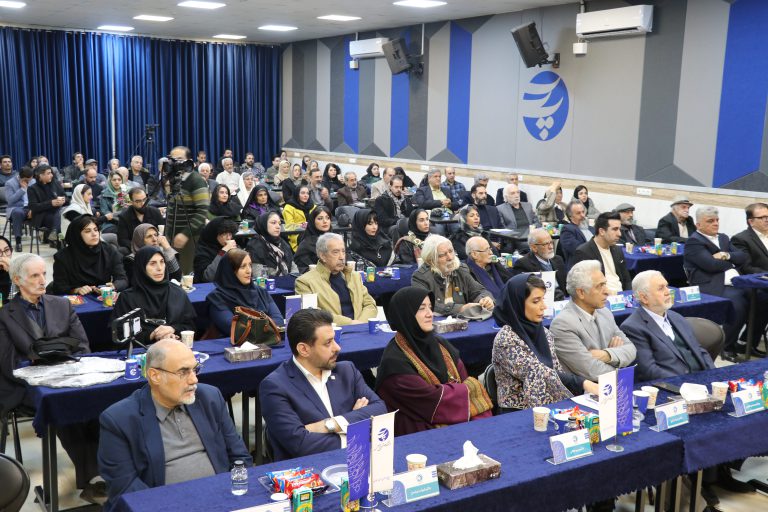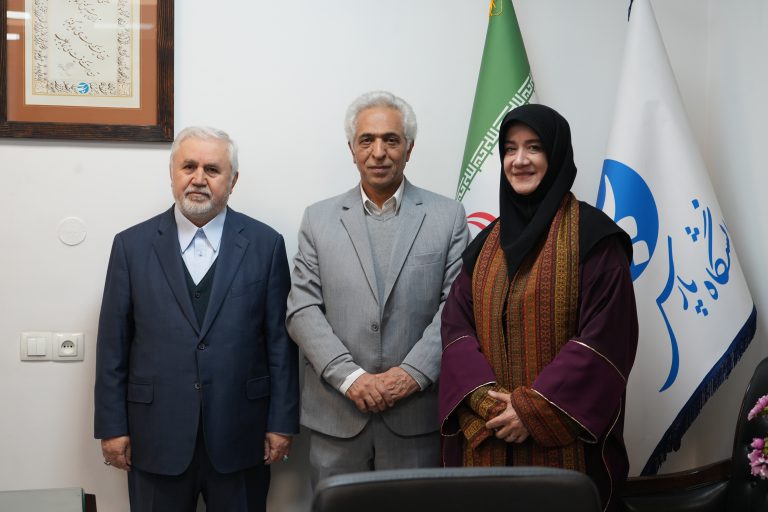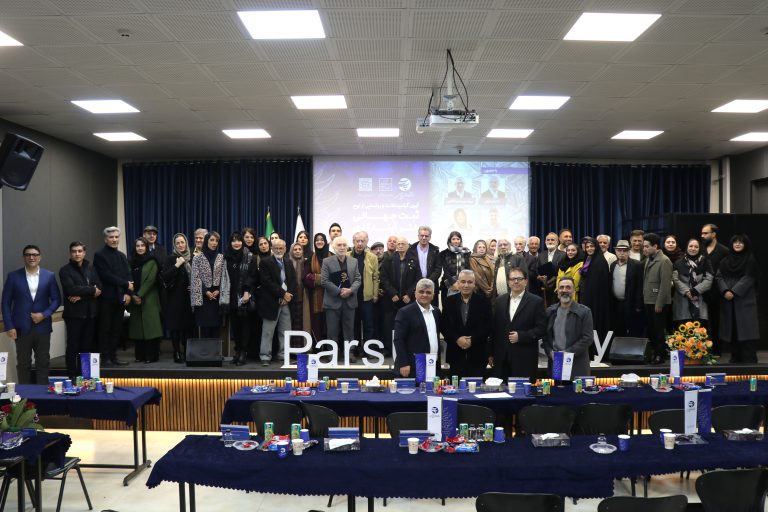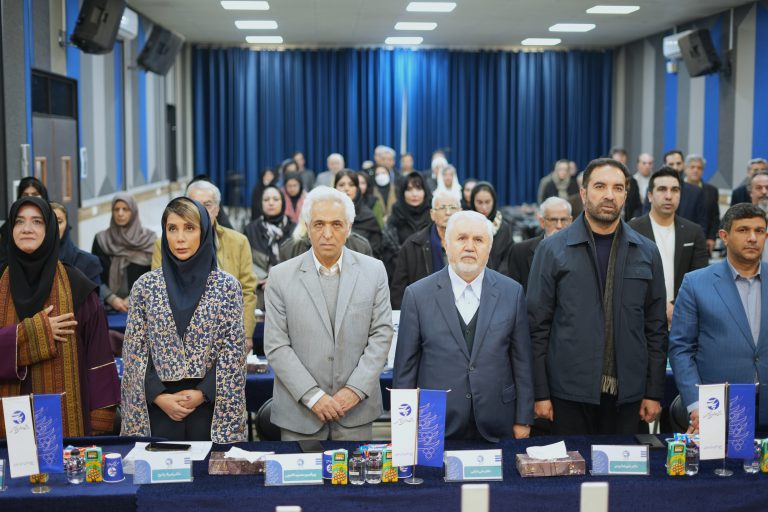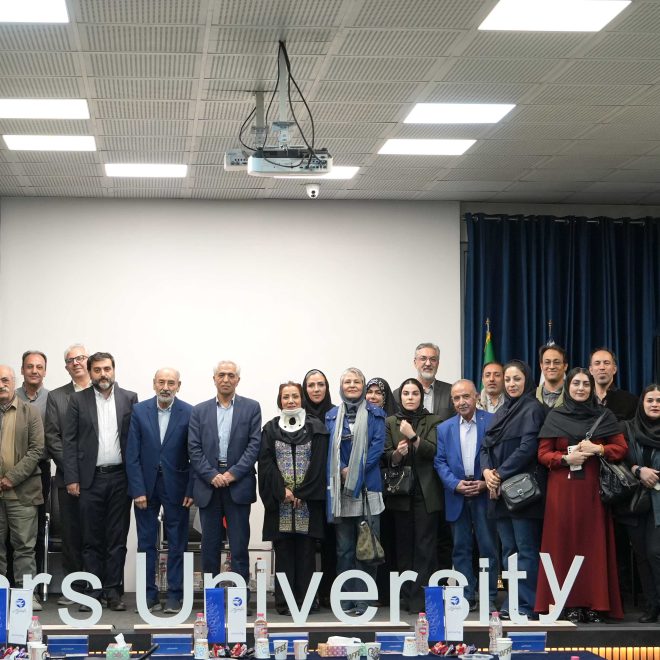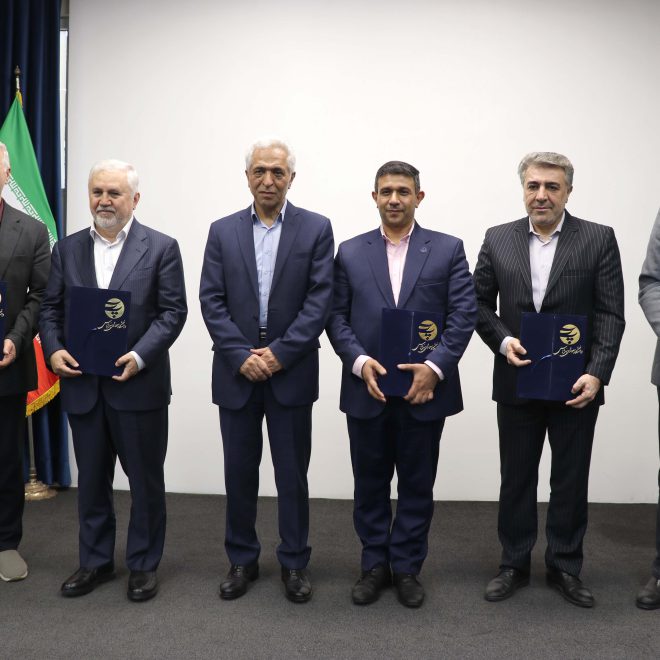
A ceremony to commemorate and unveil the plaque of the global registration of the art of mirrorwork in Iranian architecture was held in the conference hall of Pars University, with the presence of a number of officials, professors, researchers, and prominent artists from across the country.
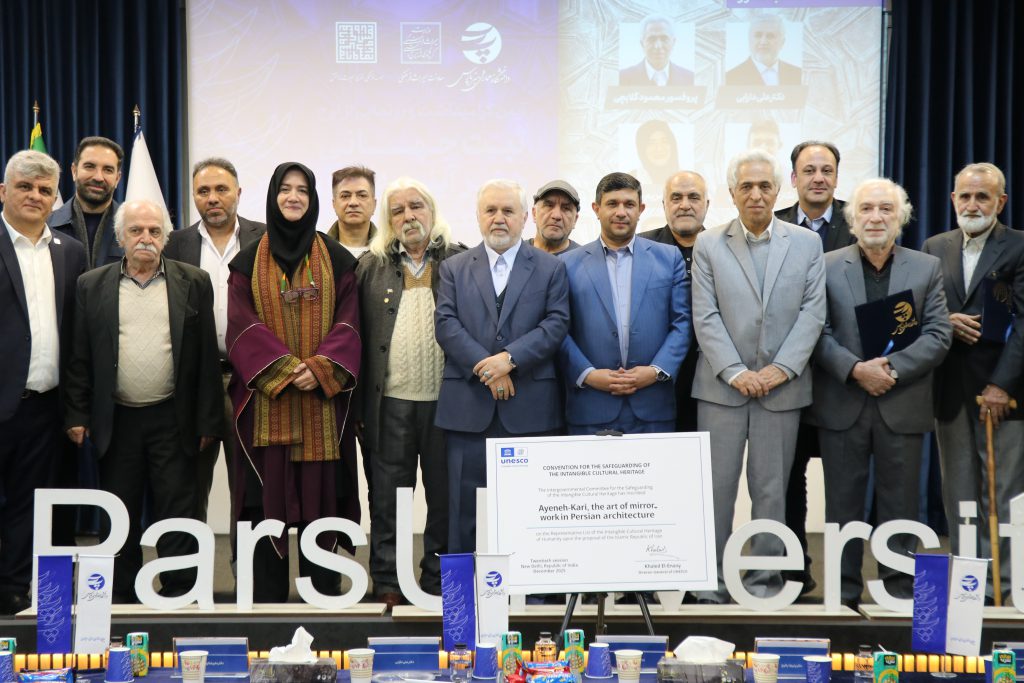
According to the Public Relations Office of Pars University of Architecture and Art, a ceremony to commemorate and unveil the plaque marking the global registration of the art of mirrorwork in Iranian architecture was held on Wednesday, January 7(day 17) in the conference hall of Pars University, with the presence of a number of officials, professors, researchers, and prominent artists from across the country.
At the beginning of the ceremony, Professor Mahmoud Golabchi (Founder of Pars University and holder of the UNESCO Chair in Architecture), while expressing his delight, described the global registration of the art of mirrorwork as a valuable achievement for Iranian culture and architecture and stated: “This event is not only the result of years of effort by the country’s professors, artists, and specialized institutions, but also a valuable opportunity to properly introduce one of the most exquisite elements of Iranian architectural ornamentation on the international stage.
Referring to the role of cultural heritage in reinforcing Iran’s civilizational standing on the global stage, he added: “Iran’s registered works on UNESCO’s global lists, both tangible and intangible, play a decisive role in introducing Iran as one of the world’s ancient and influential civilizations.
Professor Golabchi noted: “The art of mirrorwork is a manifestation of the taste, creativity, and refinement of Iranian artists, and its global registration can pave the way for the development, promotion, and transmission of this art to future generations, as well as its introduction to the world.
Dr. Ali Darabi (Deputy Minister of Cultural Heritage, Tourism, and Handicrafts) also described the event as a manifestation of the grandeur of Iranian civilization and the result of the efforts of generations of artists. He expressed his gratitude to Professor Golabchi and Pars University of Architecture and Art, emphasizing the vital role of universities in educating and promoting the safeguarding of cultural heritage.
He said that the inscription of the art of mirrorwork on the UNESCO register is not the end of the journey but the beginning of a new phase for the vitality and continuity of this art. He added that it is essential to hold training workshops, establish professional associations, and apply this art in cultural and economic fields.
Dr. Darabi, referring to the country’s recent successes in the global registration of cultural heritage, emphasized: “Despite international challenges, Iran’s culture and civilizational heritage have found a worthy place in the world, and these achievements have provided an opportunity to introduce Iranian identity and art more appropriately on a global scale.
Then, Dr. Shahab Nikman (the director and compiler of this dossier and CEO of the Miras Mana Naghsh Cultural and Artistic Heritage Institute) examined it from three perspectives—cultural, international conventions, and legal—while highlighting its importance and multifaceted nature.
Elaborating on the cultural dimension of this achievement, he said: “The art of mirrorwork is rooted in Iranian thought and the ancient rites of this land. In this worldview, the universe is perceived as a mirror of the realm of meaning, and mirrorwork is the tangible manifestation of this worldview in Iranian architecture.
Continuing his remarks, Dr. Nikman described the inscription of this art as a rare occurrence from the perspective of international conventions, stating: “The art of mirrorwork is the first architectural element from Iran to be introduced through global registration. At the same time, it is the first heritage element that directly establishes a connection between two major UNESCO conventions—the 1972 Convention (Tangible Cultural Heritage) and the 2003 Convention (Intangible Cultural Heritage)—a distinction that highlights the unique status of this art within the global system of cultural heritage.
He also emphasized the legal dimension of this inscription, noting that the global inscription of the art of mirrorwork constitutes the creation of a valid international document that will serve as an identity and legal reference for future generations and will enable formal reference to this heritage at the global level.
Dr. Hassan Fartousi (Secretary-General of the UNESCO National Commission in Iran) also attributed the global inscription of the art of mirrorwork to the extensive synergy among specialized institutions, master craftsmen, artists, researchers, and the tireless, sustained efforts of many individuals active in this field.
Referring to the country’s distinguished standing in the field of tangible and intangible heritage registration, he emphasized: “Iran is among the few countries that consistently possess numerous and valuable capacities for global inscription. This capacity further underscores the importance of intangible or living heritage, as it establishes an active link between the past, present, and future and plays a foundational role in reinforcing individual and collective cultural identity.
Dr. Fartousi described UNESCO’s people-centered approach as one of the main pillars of intangible heritage preservation, adding that the participation of master craftsmen, artists, civil society organizations, and universities in this process guarantees the vitality and continuity of this heritage. Today, cultural diplomacy and intercultural dialogue play a decisive role in presenting the civilizational identity of nations, and the global inscription of the art of mirrorwork provides an important opportunity to engage with the contemporary world through the language of culture and art.
He described the art of mirrorwork as a symbol of self-knowledge, conscious reflection, and social cohesion, emphasizing the necessity of documenting the knowledge, experience, and skills of master practitioners in this field. He also regarded the role of Pars University of Architecture and Art in providing a scholarly framework for transmitting this heritage to future generations as both pivotal and enduring.
Next, Dr. Alireza Izadi, Director General of the Registration of Historical Monuments, referring to UNESCO’s restrictions on accepting dossiers and the long hiatus in the registration of national heritage over recent years, said: “Despite these limitations, Iran has today become one of the leading countries in the registration of both tangible and intangible heritage.
He considered the inscription of the art of mirrorwork in Iranian architecture as a strategic achievement and emphasized: This art is not merely a decorative embellishment, but a multidimensional art that simultaneously brings together light, geometry, and meaning, and is rooted in the historical and cultural creativity of the Iranian people.
Dr. Izadi noted, “The explicit inclusion of the word ‘Iranian’ in the title of this dossier creates a credible international document for defending Iran’s identity, civilization, and cultural heritage on the global stage; a document that can serve as a reference for future generations and a clear response to fabricated identity-building narratives.”
Dr. Maryam Jalali (Deputy for Handicrafts and Traditional Arts) described the art of mirrorwork as a facet of authentic Iranian art and stated: “Mirrorwork is not merely a visual effect or decorative technique, but a meaning-driven art that reflects the essence of Iranian culture.”
She emphasized the role of the younger generation and universities in preserving and promoting Iranian arts, saying: “Although the global registration of mirrorwork honors the past, connecting this art to the future is our responsibility today — and that of the young generation present here. Universities such as Pars University of Architecture and Art serve as a bridge between the past and tomorrow.”
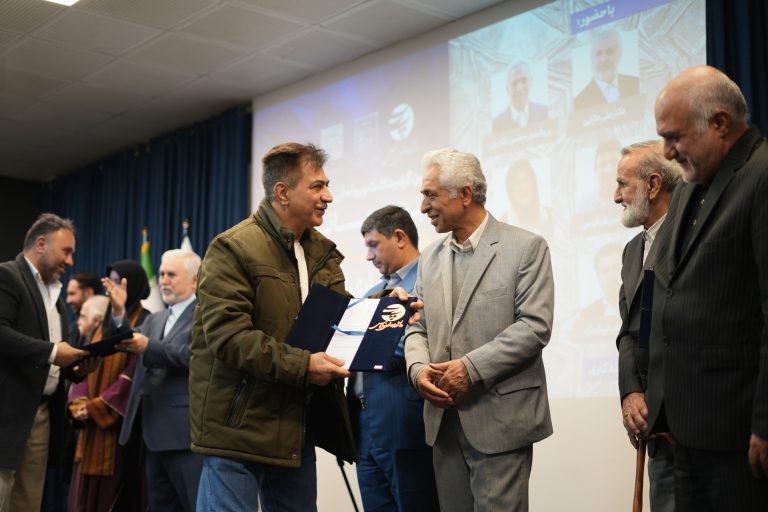
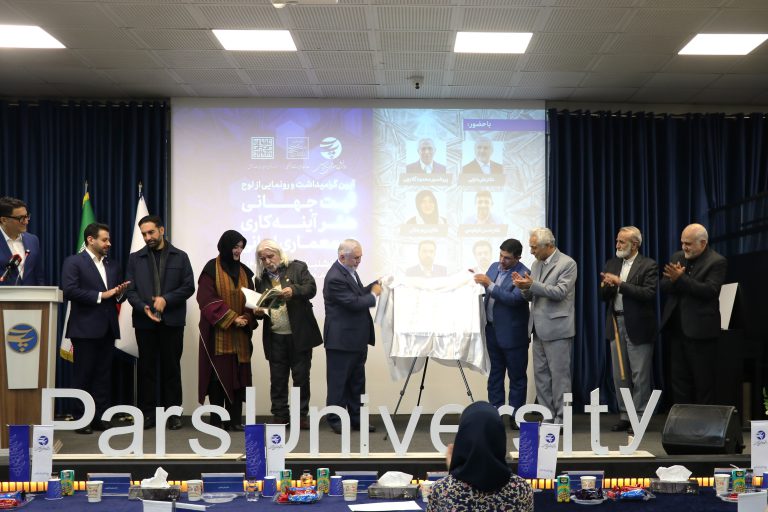
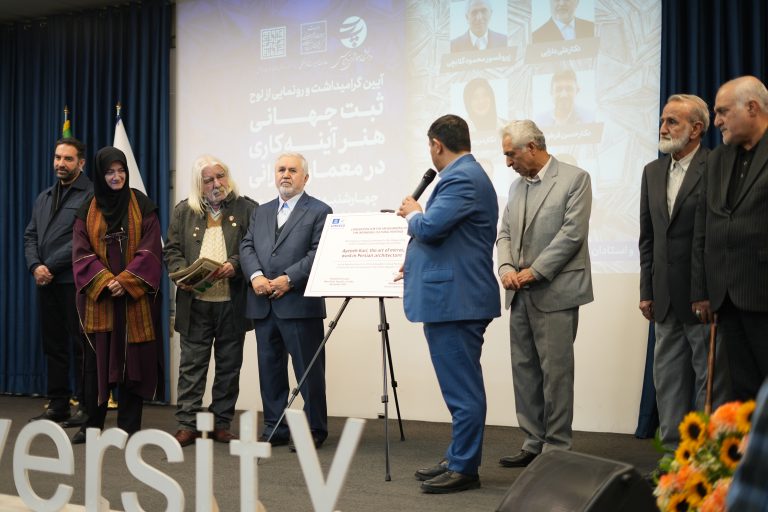
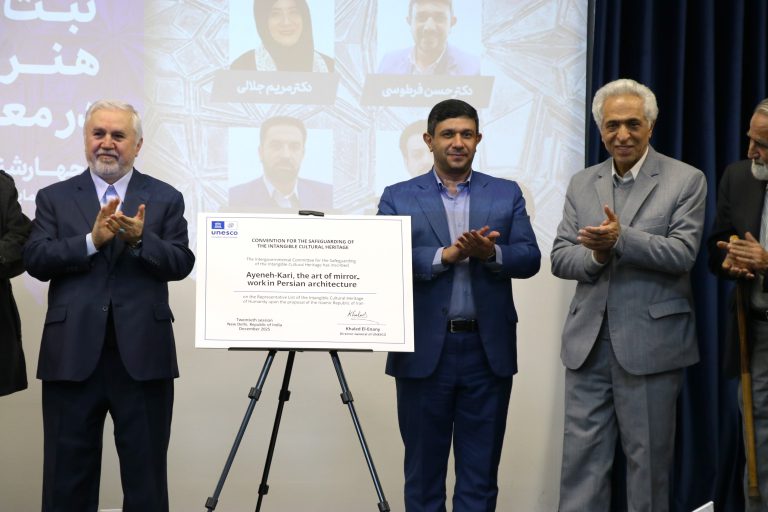
At the end of the ceremony, the plaque commemorating the global registration of the art of mirrorwork in Iranian architecture was unveiled. Additionally, prominent artists in this field were honored in recognition of their years of dedication and their role in preserving and advancing this valuable art form.
The ceremony was organized through the efforts of Dr. Paizak Paluj, (Director of the Islamic Arts and Handicrafts Departments at Pars University) and was attended by Dr. Ali Vakili, Dr. Abdullah Sohrabi, Dr. Keyvan Kavianpour, along with a number of faculty members, students, and enthusiasts.