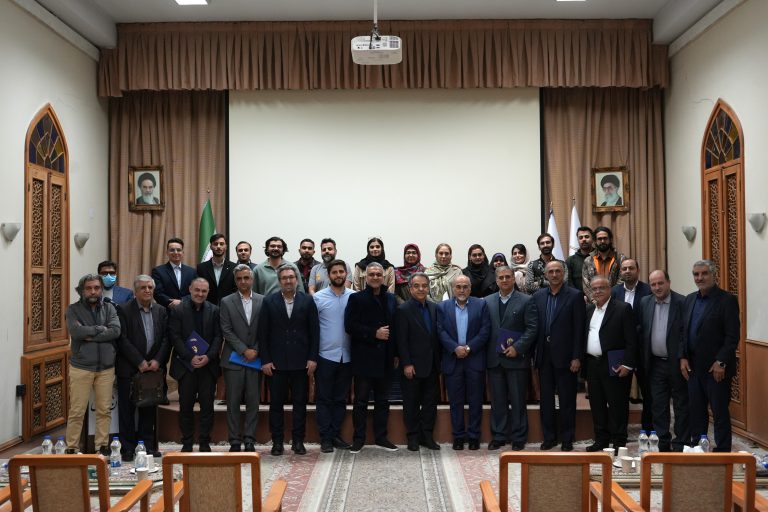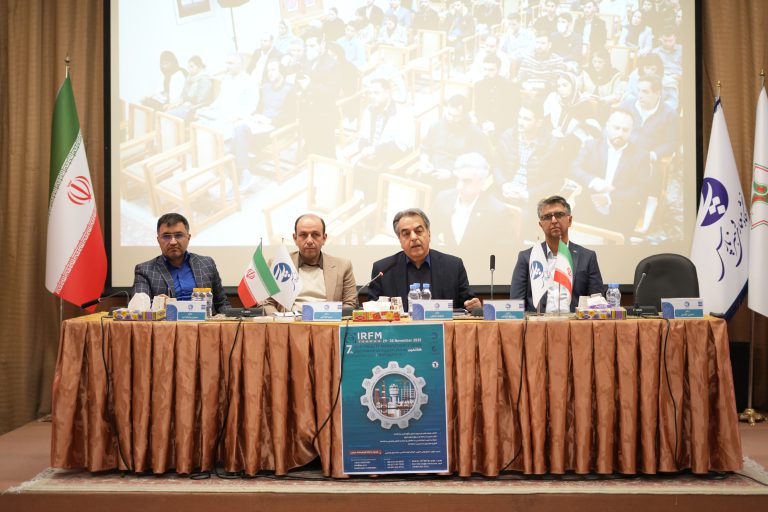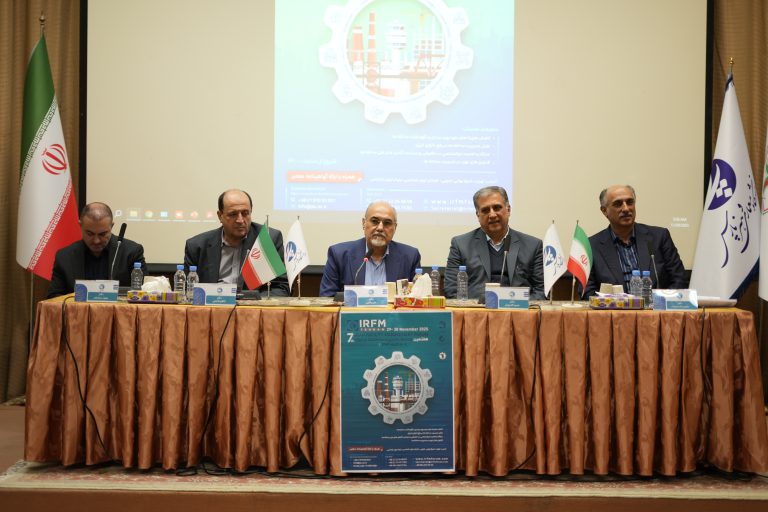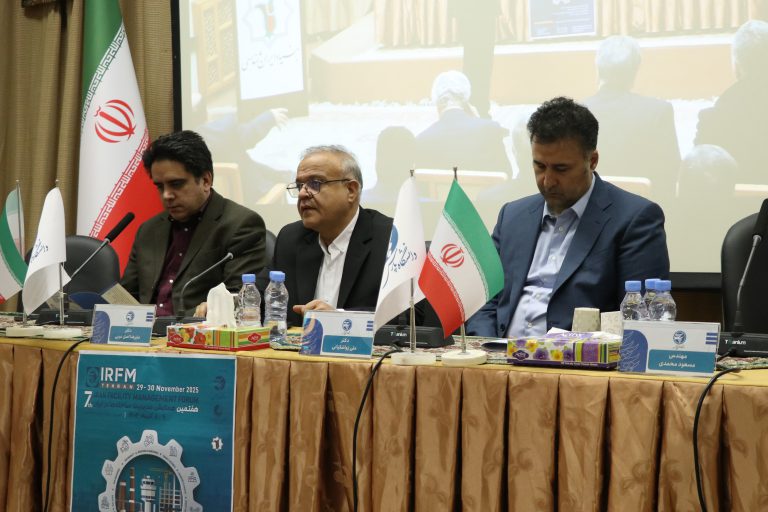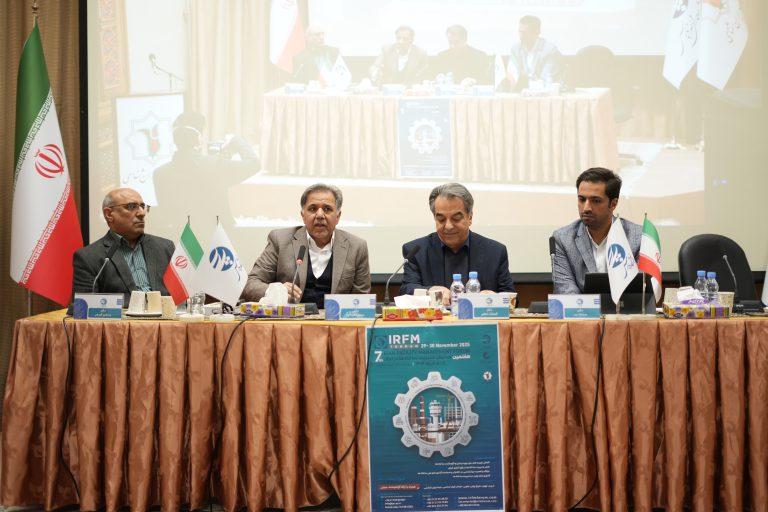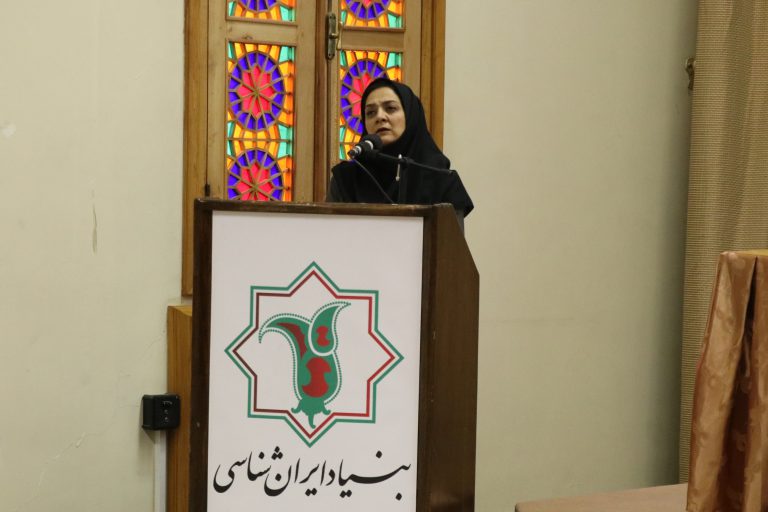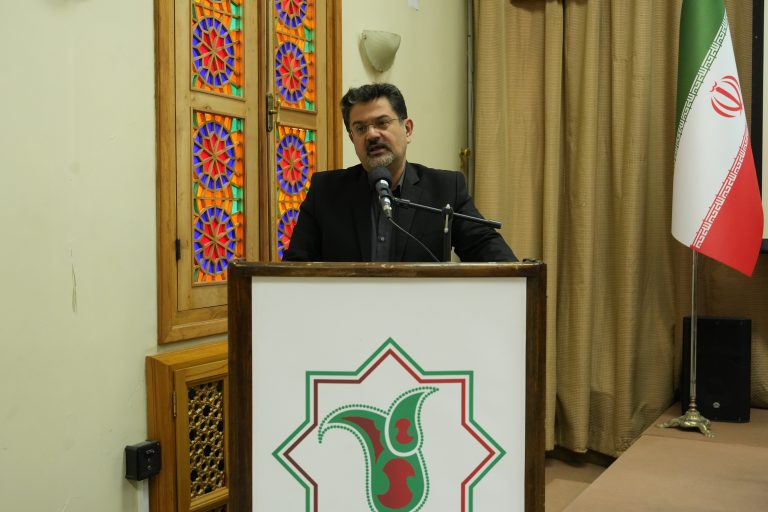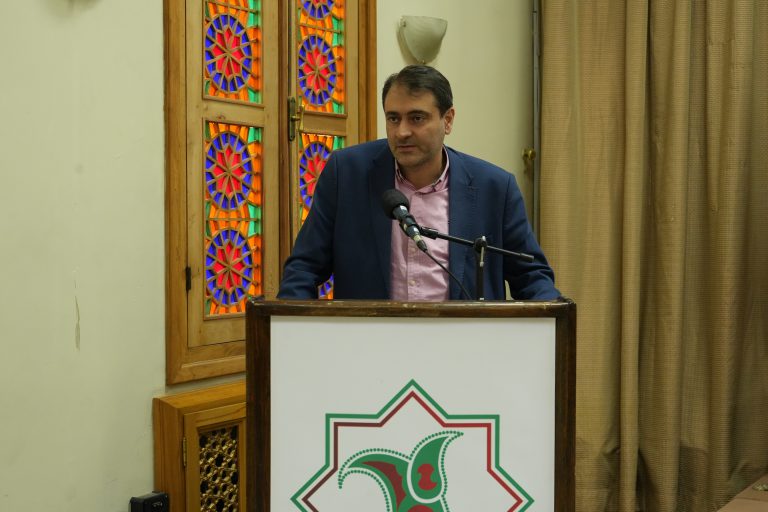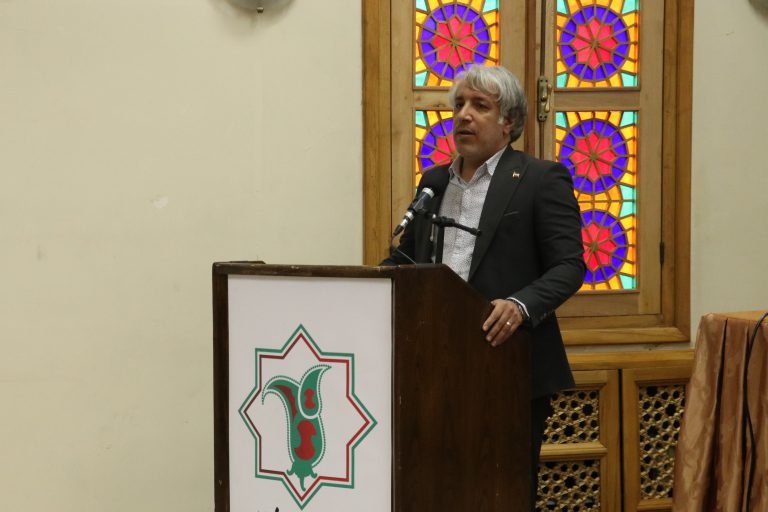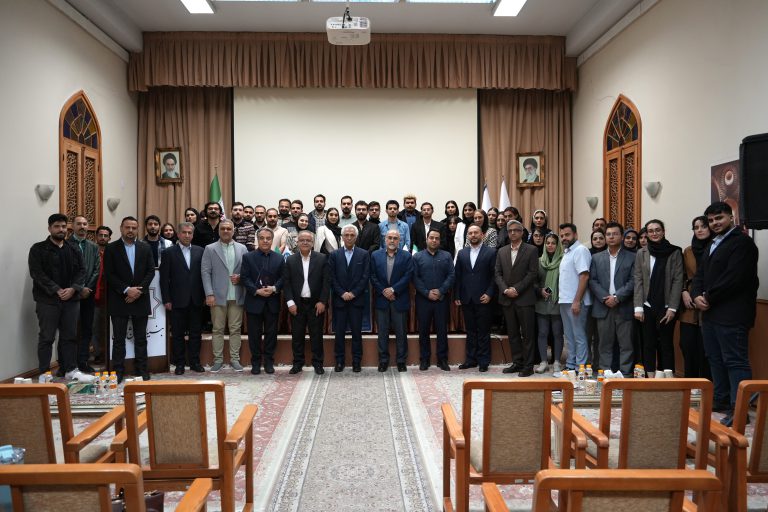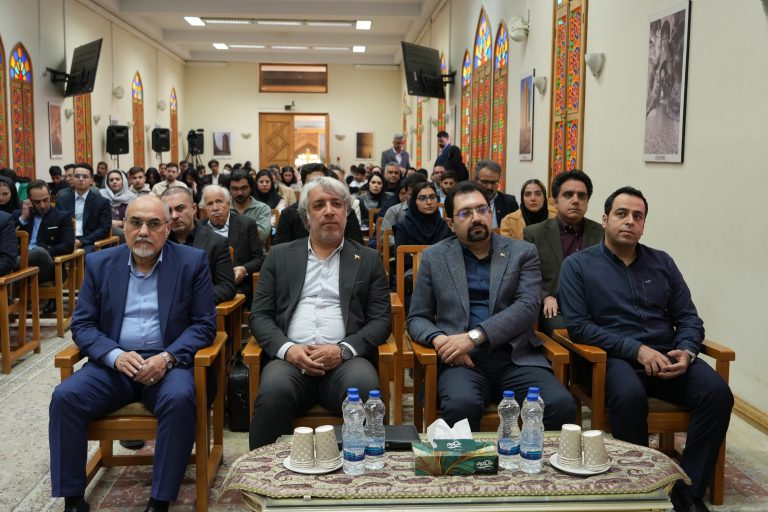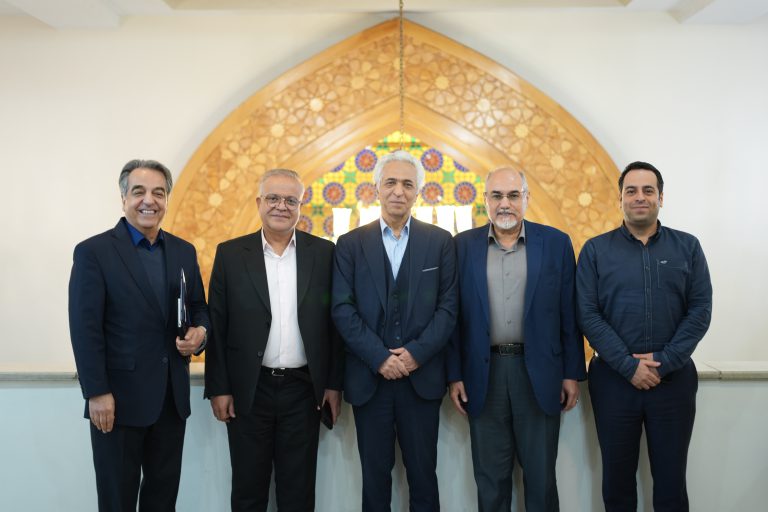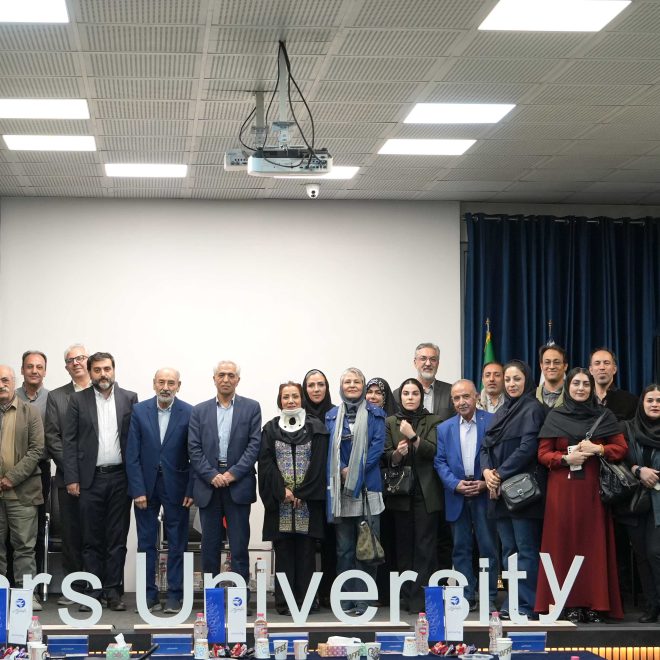
The Seventh Iranian Conference on Facility Management was held on November 29–30, 2025(Azar 8 & 9), at the Iranology Foundation, organized by Pars University of Architecture and Art in collaboration with the Iranology Foundation and Payakish Conference Organizers.
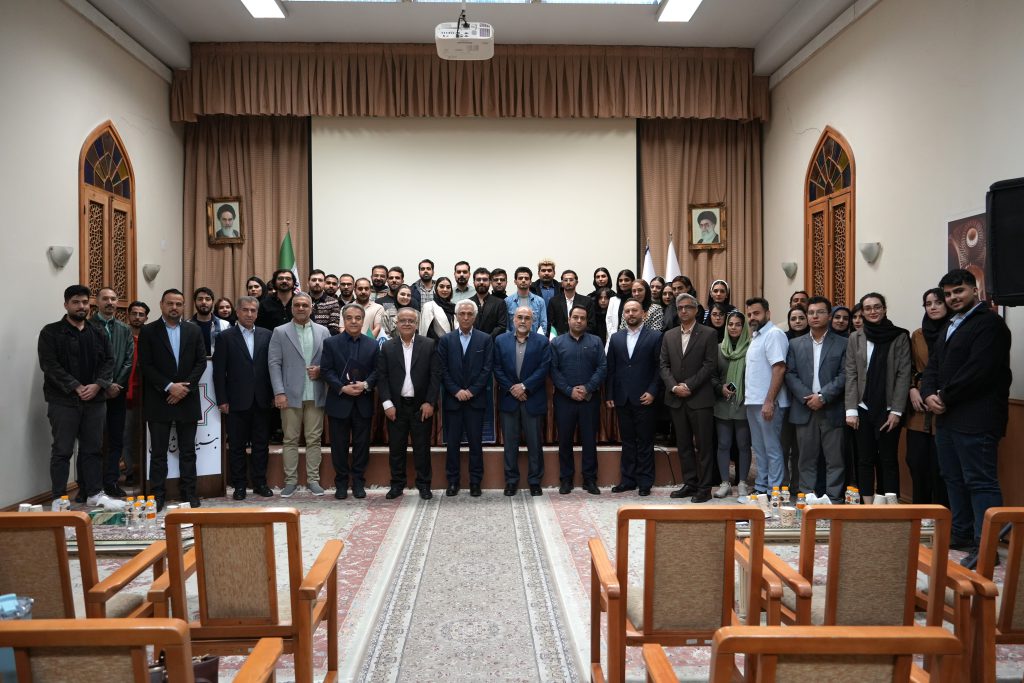
According to the Public Relations Office of Pars University of Architecture and Art, the Seventh Iranian Conference on Facility Management was held on November 29–30(Azar 8 & 9) at the Iranology Foundation. The conference was organized by Pars University of Architecture and Art in collaboration with the Iranology Foundation and Payakish Conference Organizers.
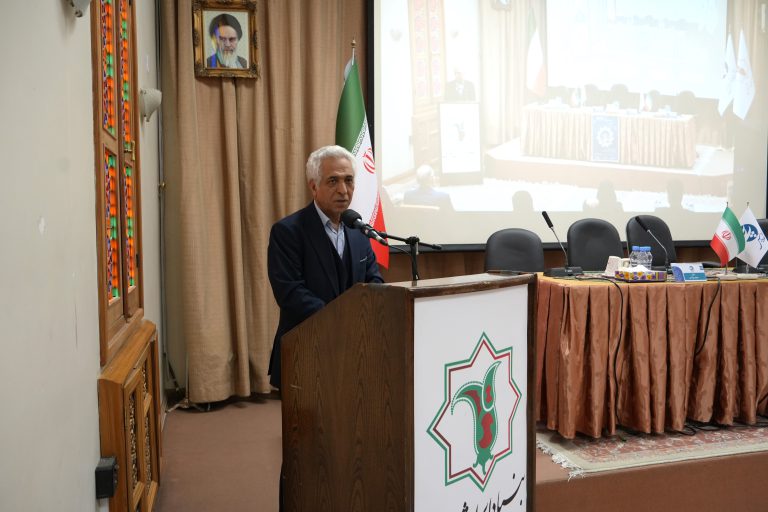
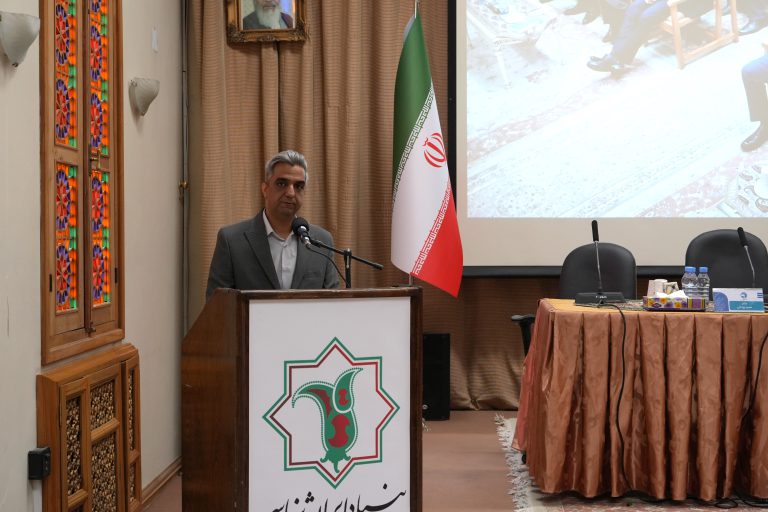
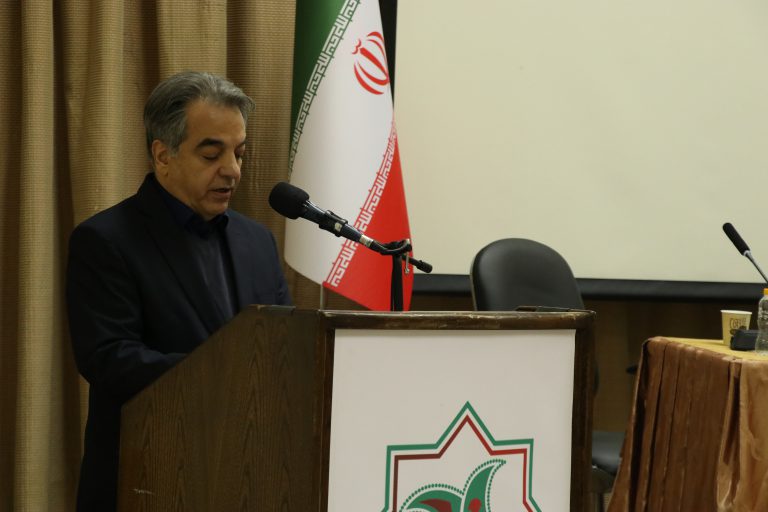
The first day of the conference began with an opening ceremony and featured speeches by Professor Mahmoud Golabchi (Founder of Pars University and Chair of the National Conference on Facility Management), Dr. Fanian (Deputy at the Iranology Foundation), Dr. Ghazal Raheb (Deputy Minister of Roads and Urban Development and Head of the Building and Housing Research Center), Eng. Hamed Manifar (Director General of the Office for National Building Regulations and Control at the Ministry of Roads and Urban Development), and Dr. Alireza Javid (Former Deputy for Coordination and Regional Affairs at Tehran Municipality).
The speakers in this session expressed their satisfaction with the holding of the seventh edition of the conference and emphasized the importance of facility management as the missing link in achieving national productivity. They also highlighted the development of knowledge on built‑asset life‑cycle management as essential for reducing energy imbalances, improving the efficiency of public spaces, and enhancing the management of national assets.
Professor Golabchi, in his opening address at the event, emphasized the necessity of introducing the discipline of Facility Management in the country, noting that this field is one of the most vital management areas in the world. He highlighted that its role extends from a project’s inception through to the end of a facility’s life cycle—a discipline that significantly increases project productivity.
Noting that such a specialization did not exist in the country until about a decade ago, he described the emergence of this field in Iran as the result of a pressing need. He stated that the collaboration between Pars University and the prestigious Georgia Institute of Technology (Georgia Tech) laid the groundwork for the first Master’s program in Facility Management in Iran, which has so far trained a significant number of specialists for entry into the industry.
Professor Golabchi further cited numerous examples of resource waste in national projects that, due to the lack of professional management in post-construction phases, have faced heavy costs, reduced efficiency, and premature deterioration.
Referring to the need to expand the connection between industry and academia, he remarked: “The Facility Management Conference, from its fifth edition onward, has been held with the goal of familiarizing managers from various sectors with the capabilities of this discipline. The presence of managers from the oil, gas, petrochemical, port, and construction sectors, as well as service organizations, in this edition indicates a growing awareness of the importance of Facility Management in the country.”
At the end of his remarks, Professor Golabchi expressed hope that the conference and its specialized panels would empower the next generation of facility managers to play an effective role in the development and prosperity of Iran.
Continuing the first day’s program, the specialized panel “Reducing Operational and Maintenance Costs of Facilities” was held, moderated by Dr. Alireza Asl Arabi and featuring presentations by Dr. Ali Zoashkiani, Dr. Hamid Yazdani, and Eng. Masoud Mohammadi, who joined the session virtually from Australia.
Another program on the first day was the panel “The Role of Facility Management in Addressing Energy Imbalance,” moderated by Dr. Ali Vakili and featuring presentations by Dr. Saeed Pakseresht, Dr. Kazem Kashefi, Dr. Behnoud Barmayevar, and Dr. Hamid Aladpush.
The second day of the event began with the expert panel “Emerging Technologies in Facility Management,” moderated by Dr. Farhang Shaafi and featuring presentations by Dr. Hossein Taghaddos, Dr. Amin Alvanchi, Dr. Mehdi Ravanshadnia, and Dr. Omidreza Riahi.
Subsequently, the specialized panel “The Role and Importance of Iranology in the Governance and National Policy‑Making of Built Assets” was held, moderated by Dr. Farhang Shaafi and featuring presentations by Dr. Abbas Akhoundi, Dr. Morteza Ghorchi, and Dr. Siamak Badr.
In the following session of the event, moderated by Dr. Farhang Shaafi and Dr. Alireza Asl Arabi, two papers were presented and discussed. The research paper “Facility Management with an Emphasis on Maintenance” was presented by Mr. Javid Taghizadeh. In addition, the specialized paper “Synergy between Physical Asset Management and Facility Management in Iran: A Step Toward an Integrated System for Managing the Built Environment,” authored by Dr. Alireza Asl Arabi, Mr. Behrad Ghani Shajareh, and Ms. Pariya Mahjoubi‑Fard, was also presented and reviewed.
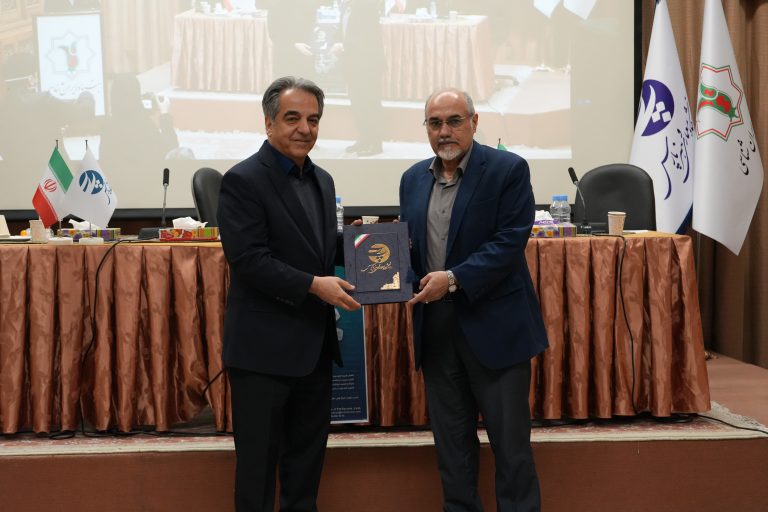
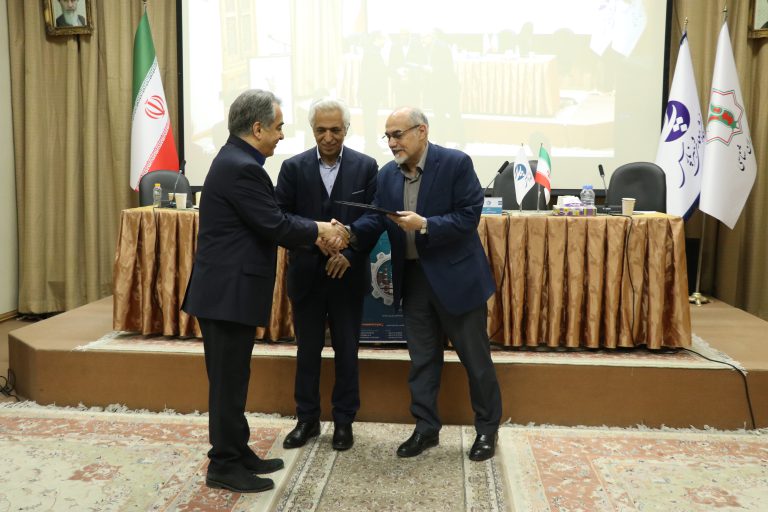
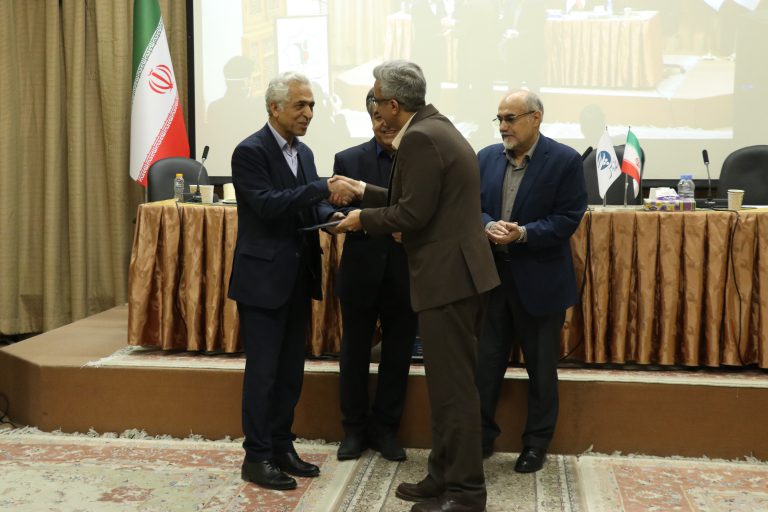
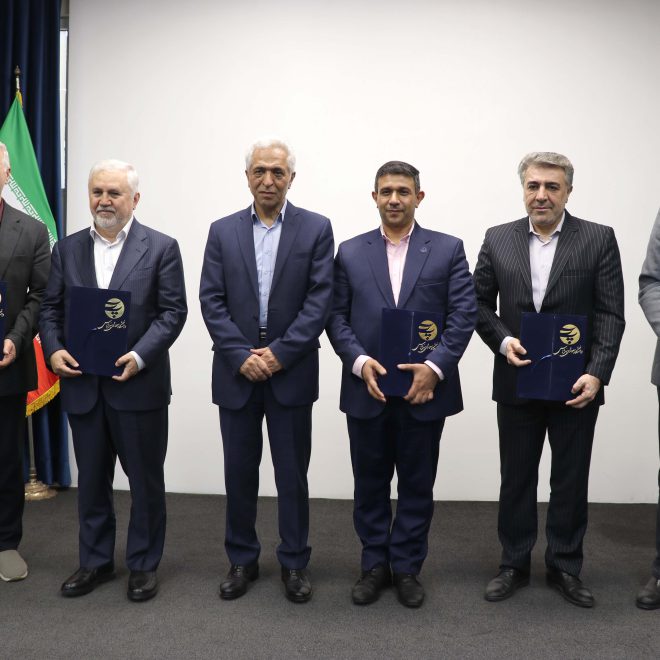
The conference concluded with the closing ceremony of the Seventh Iranian Conference on Facility Management, during which the conference speakers were also recognized for their contributions.
At the ceremony, Professor Golabchi, Chair of the Conference, presented a summary of the two days of knowledge and experience exchange among academics, senior managers, industry professionals, and students in this field. He also outlined the future roadmap for the development of Facility Management in the country.
He explained that in order for the country to fully benefit from the capacities of this discipline, five fundamental pillars must be pursued systematically. The first pillar is the expansion of university‑level education in Facility Management across the country. This process has already begun with the approval of academic curricula, the establishment of specialized programs, and the expansion of educational centers, and it should continue to develop with the cooperation of other universities and the Ministry of Science. The second pillar, he noted, is raising awareness within the country’s professional and managerial community about the importance and functions of this field. The organization of seven editions of this specialized conference has been part of this effort, and it should continue to expand each year in order to address the lack of this knowledge within the country’s managerial structures.
Professor Golabchi, in the third pillar, emphasized the necessity of creating binding legal frameworks to institutionalize Facility Management, stating that these measures include establishing legal provisions within the National Building Regulations and the strategic plans of the construction industry to ensure the accountability of responsible organizations during the operational phase. Referring to the experience of mandating modern construction technologies in the National Building Regulations, he noted that a similar path should also be pursued for Facility Management.
In the fourth pillar, he identified industry leaders, managers, and executive organizations as the primary stakeholders of this field, emphasizing that the objectives of Facility Management cannot be achieved without the active participation of managers in the oil, gas, petrochemical, construction, transportation, port, and municipal sectors. For this reason, efforts were made this year to ensure the participation of managers from the country’s key sectors in the event and to strengthen the connection between academia and industry.
In the fifth pillar, Professor Golabchi referred to the scientific advancement of this field and the use of emerging technologies. He noted that tools such as Building Information Modeling (BIM), artificial intelligence, big data analytics, blockchain, and the Internet of Things have created new opportunities for significant progress in the lifecycle management of built assets. He emphasized that universities should play a stronger role in knowledge production, software development, scholarly publications, and innovative educational programs.
He also expressed his appreciation to the scientific and executive secretaries of the conference, the speakers, faculty members, students, and all those involved in organizing the event. He stated: “The organization of these conferences is only the beginning of a broader journey, and the development of Facility Management can have a significant impact on national productivity, the reduction of lifecycle costs of built assets, improved energy governance, and the protection of national capital.”
During the closing ceremony, the conference’s final statement was read by Dr. Farhang Shaafi, the Scientific Secretary of the conference, and an overall report on the event was presented by Eng. Hassan Abdikhojasteh, the Executive Director. The speakers emphasized the importance of continuing this event and expanding the field of Facility Management in universities and executive institutions across the country. The conference was described as an effective step toward strengthening the link between academia and industry and as a platform for advancing the country’s asset management system and national productivity.
The main themes of this year’s conference included reducing the operational and maintenance costs of built assets, the role of Facility Management in addressing energy imbalance challenges, the place and importance of Iranology in national governance and policymaking related to built assets, and the application of emerging technologies in Facility Management.