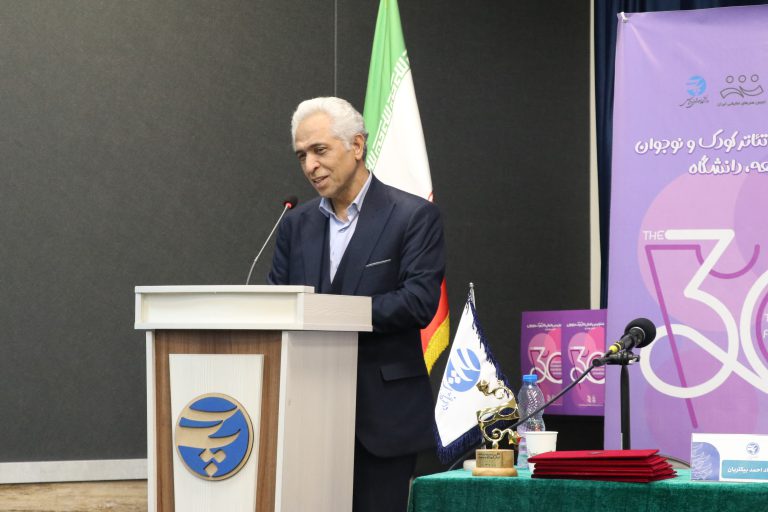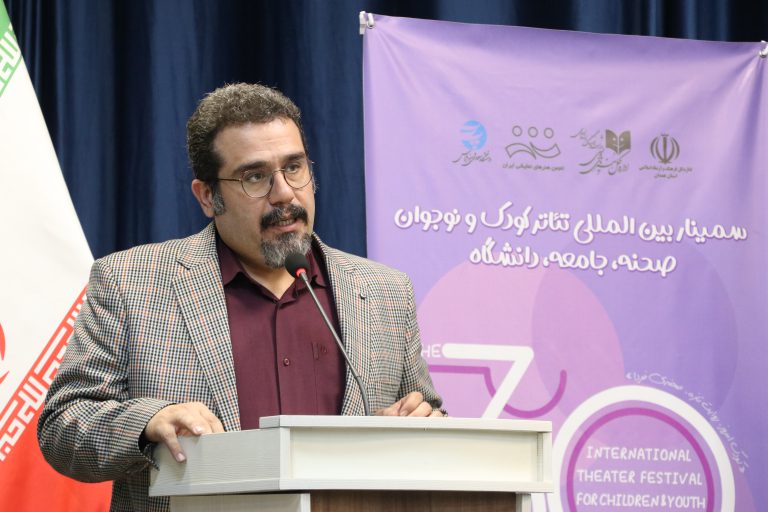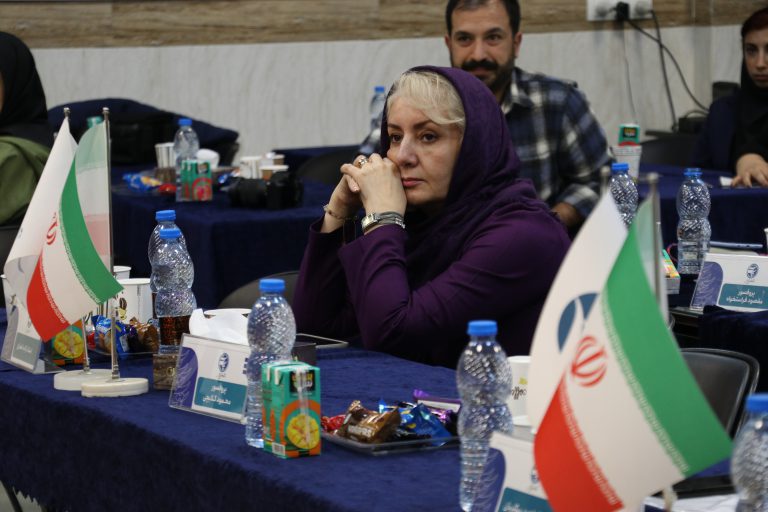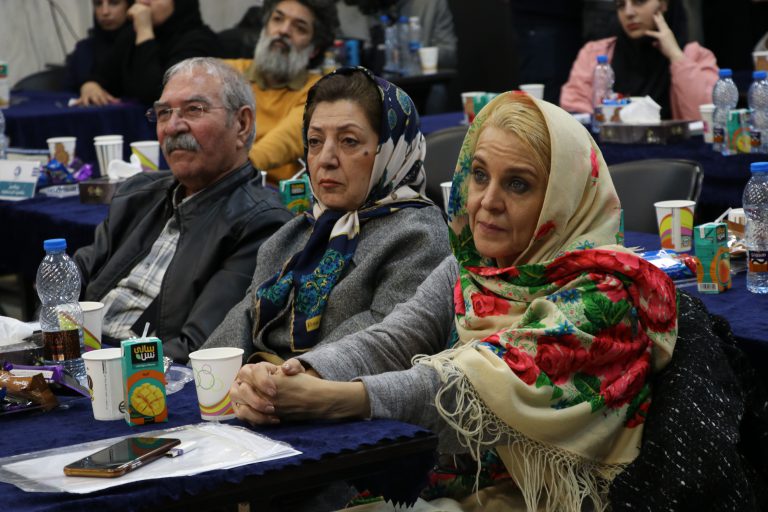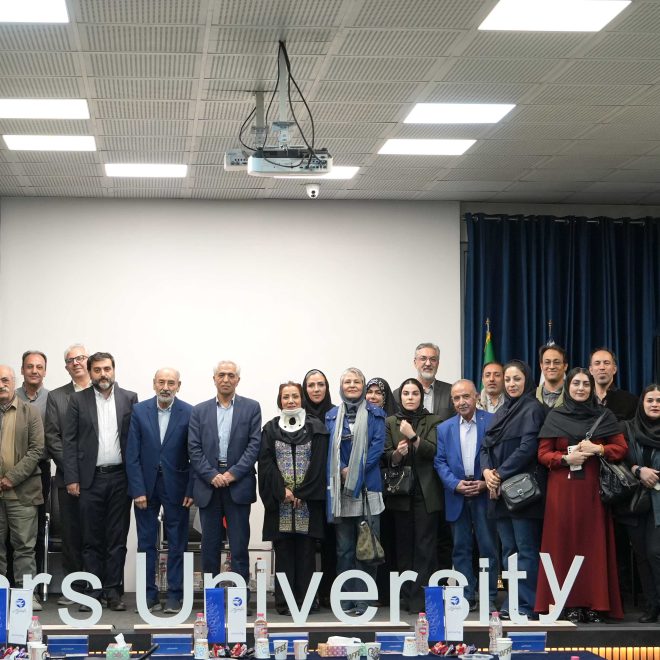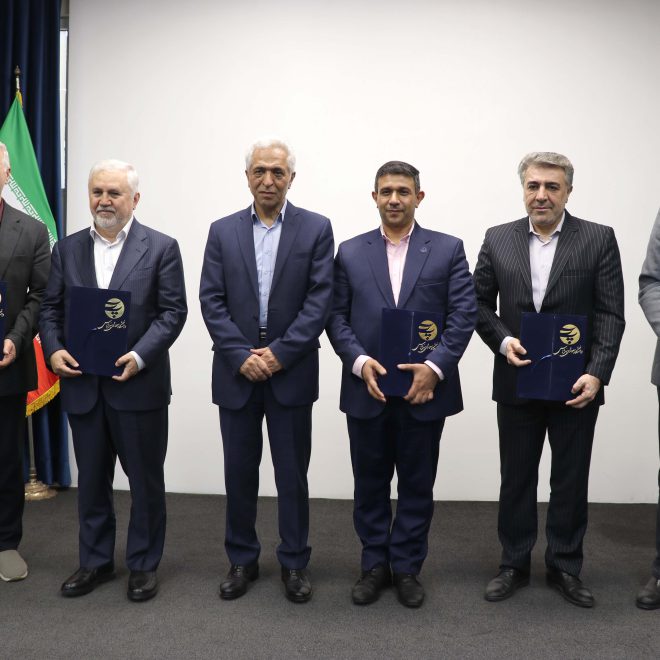
The research seminar of the 30th International Children and Youth Theater Festival, titled “Stage, Society, University,” was held at the conference hall of Pars University with the participation of a number of artists, academics, and students.
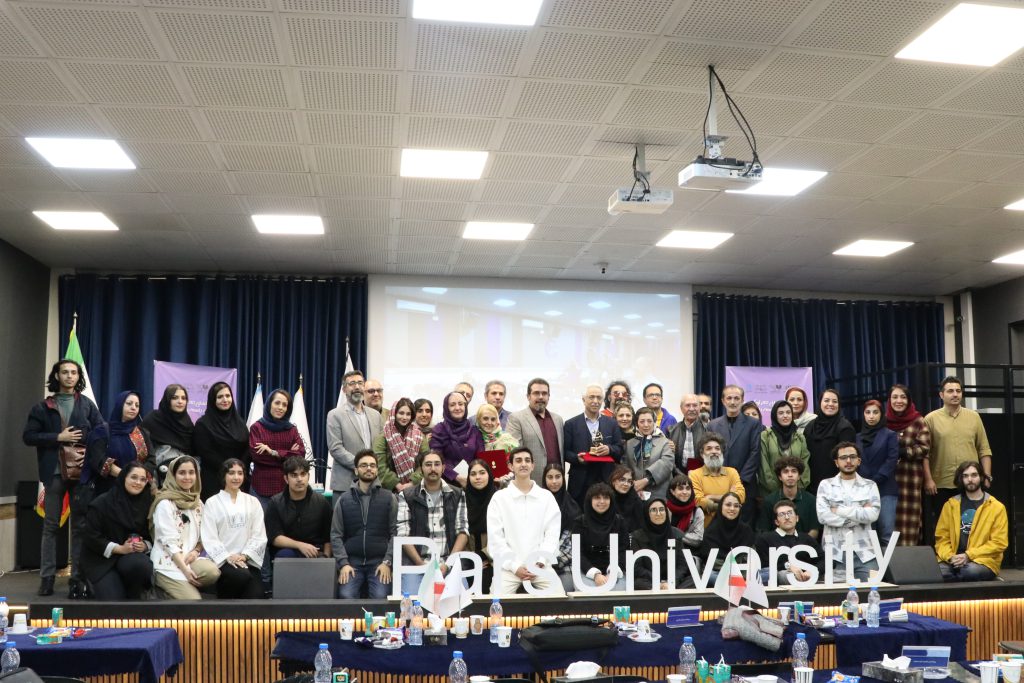
According to the Public Relations Office of Pars University of Architecture and Art, the research seminar of the 30th International Children and Youth Theater Festival, titled “Stage, Society, University,” was held over two consecutive days on November 18 and 19(Aban 27 & 28) at the conference hall of Pars University, with the participation of a number of artists, academics, and students.
Organized by the Secretariat of the International Children and Youth Theater Festival and hosted by Pars University, the event provided an opportunity for the exchange of knowledge, the presentation of the latest research, and the discussion of new approaches to the education and production of theatrical works for the younger generation.
Day One: Focus on Academic Education in Children and Youth Theater
The opening ceremony of the seminar began with a welcome address and an overview of the two-day program by Dr. Farhad Amini, Director of the Festival’s Research Section and Head of the Department of Theater at Pars University. This was followed by a speech by Azadeh Ansari, the Festival Secretary and Distinguished Professor at Pars University, who spoke about the goals and future prospects of this edition of the festival.
Subsequently, the first session of the seminar, titled “Children and Youth Theater: Academic Education,” was held. In this session, Dr. Bahram Jalali‑Pour addressed the key challenges and requirements of academic education in this field and emphasized the need to reconsider educational approaches in order to meet the needs of today’s generation.
Dr. Ataollah Koupal, in his presentation titled “Children’s Theater: Experience, Thought, and Skill,” explained the role and impact of children’s engagement with theater on their cognitive and social development.
Dr. Nariman Aminian also presented a research‑based perspective on traditional methods of educating children in Asia through theatrical and artistic techniques, explaining several examples of these approaches and practices.
The second session of the first day was dedicated to “The Sociology of Children and Adolescents in the Contemporary Era.” In this session, Dr. Moslem Nazemi analyzed, from a sociological perspective, the impact of media, social networks, and cultural changes on the behavioral patterns of today’s adolescents.
In the final session of the first day, Professor Davood Kianian spoke about the fundamentals of theatre for adolescents and creative theatre, explaining the importance of theatre as a tool for nurturing imagination, self-confidence, and expressive abilities among the younger generation.
Day Two: Innovative Approaches and Future Horizons
The first session of the second day of the seminar was held under the theme ‘Children’s Theatre: Methods and Approaches in the Contemporary World.’ The first speaker of this session was Professor Poopak Azimpour, who delivered a lecture on ‘Radicalism in Puppet Theatre’ and examined the role of this branch in children’s engagement with meaning and imagination.
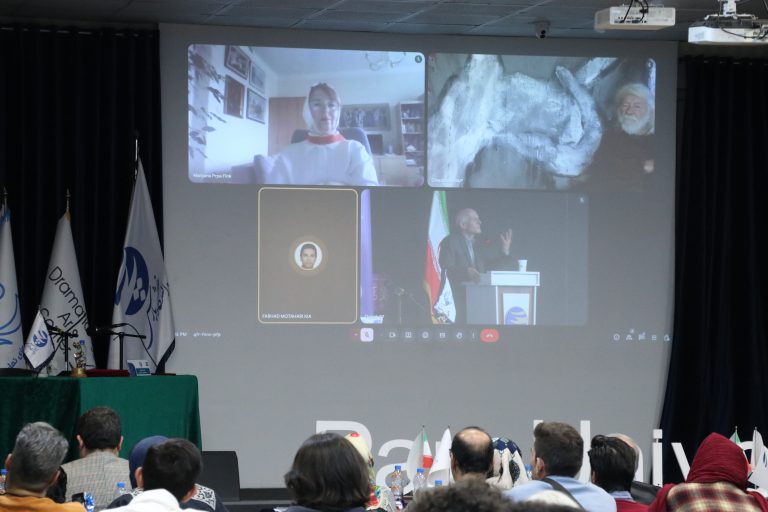
Notably, in addition to distinguished scholars from across the country, two international researchers also participated in the seminar online and presented the latest global developments in the field of performing arts education for children and adolescents.
Professor Mariana Pereia Fink delivered a presentation titled ‘Listening, Movement, and the Transformation of Children’s and Adolescents’ Perception of Theatre,’ in which she examined new methods of nonverbal communication and the role of the body in conveying messages in children’s theatre.
Professor Peter Shumann also explained how the Bread and Puppet Theater was formed and shared his experiences from over five decades of performing and teaching theatre.
In the second session, dedicated to ‘The Sociology of Children and Adolescents,’ Professor Maqsoud Farasatkhah analyzed children’s and adolescents’ theatre from the perspective of generational moments in contemporary Iranian society and examined the relationship between theatre and the spirit of the times.
In the third session, titled ‘Teaching Methods for Children’s and Adolescents’ Theatre,’ Dr. Shiva Masoudi explained the necessity of training theatre instructors at the Institute for the Intellectual Development of Children and Young Adults in new forms and methods of performance.
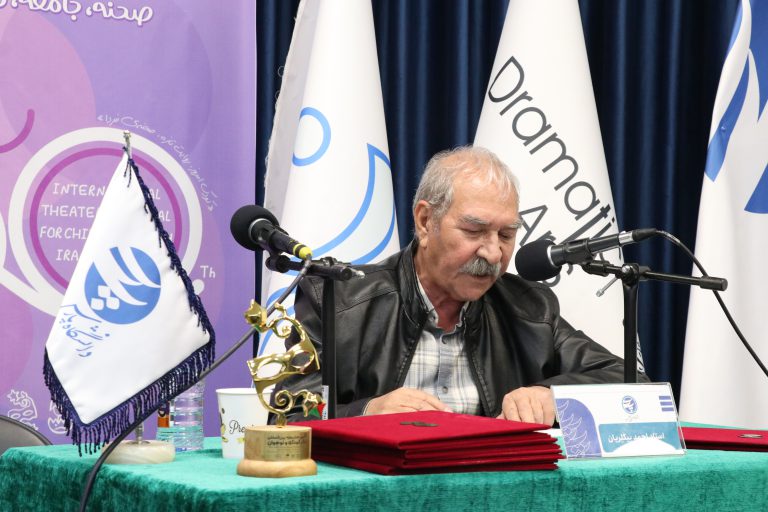
In the final session of the seminar, titled ‘A Lifetime of Theoretical Activity in Children’s and Adolescents’ Theatre,’ Professor Ahmad Biglarian offered insights into the process of teaching theatre to children and adolescents and emphasized the enduring role of theatre in shaping the attitudes, character, and behavior of future generations.
It should be noted that Professor Mahmoud Golabchi, founder of Pars University of Architecture and Art, also attended the two-day seminar and delivered a speech, emphasizing the fundamental role of culture-oriented upbringing in childhood. Referring to the experience of developed countries, he said: ‘What is seen today as commitment, responsibility, and social discipline in advanced countries is the result of long-term investment in children’s education and cultural experiences.
He added: ‘If we want to envision a bright future for society, we must introduce sound thinking, culture, and proper behavior to children from an early age. Children’s theatre is one of the most effective tools for conveying these messages.
Professor Golabchi considered the holding of this research seminar at Pars University an example of attention to social responsibility in a fifth-generation university and stated: ‘Pars University of Architecture and Art does not limit itself to education and research, but rather sees it as its duty to identify the country’s scientific and cultural gaps and propose solutions for them.
He stated: ‘New methods of teaching, ways of communicating with the new generation, and the transmission of messages and concepts all require study and the use of global experience. Children’s theatre cannot continue on the basis of outdated methods.
Professor Golabchi, emphasizing the necessity of continuing such events, stated: ‘These two days are a starting point, because the research presented at this seminar can serve as the basis for a significant transformation in the teaching of children’s and adolescents’ theatre in the country.
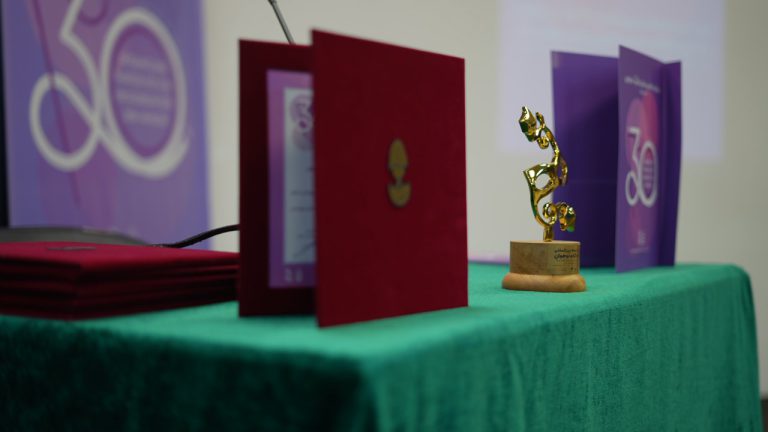
Notably, at the conclusion of the session, the speakers of the research seminar of the 30th International Children’s and Youth Theatre Festival were honored with commemorative plaques and statuettes.