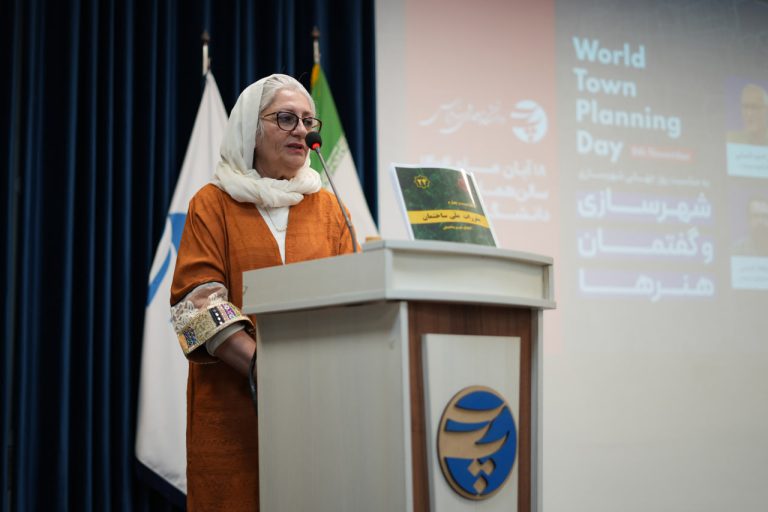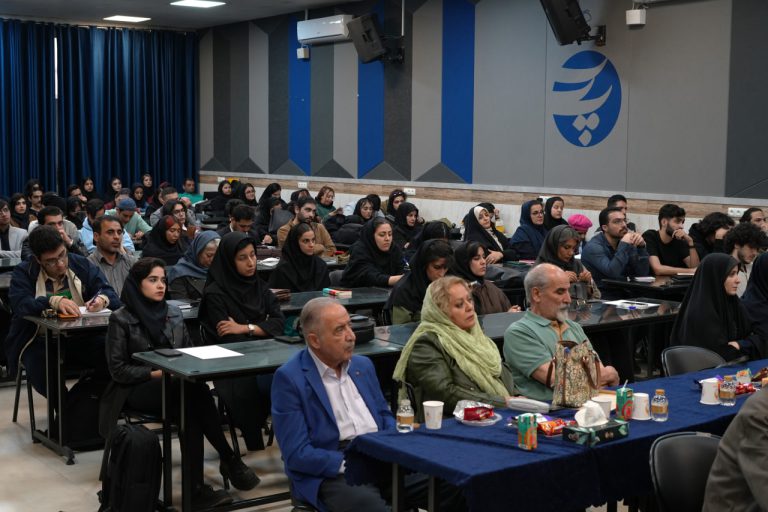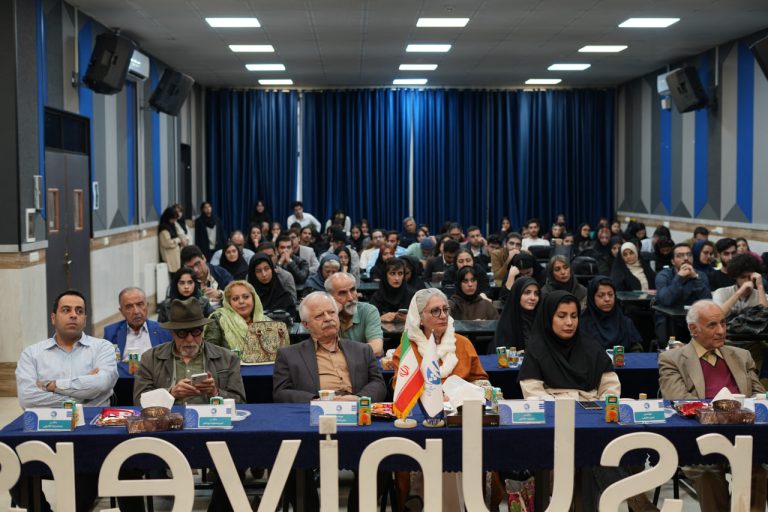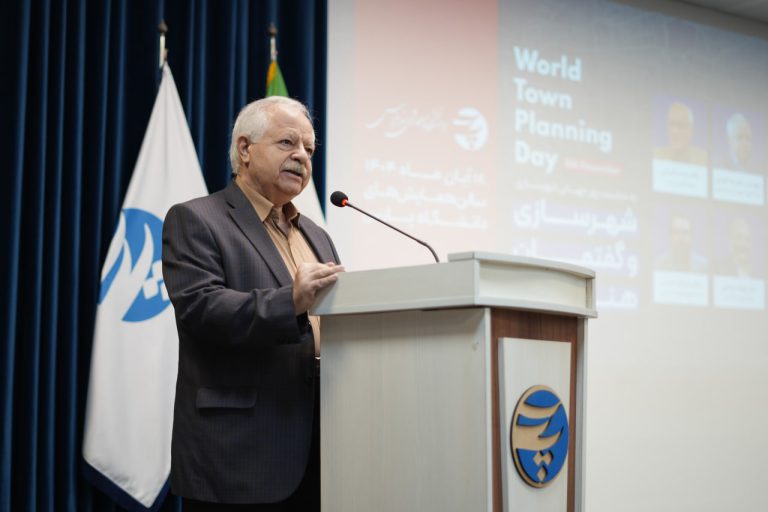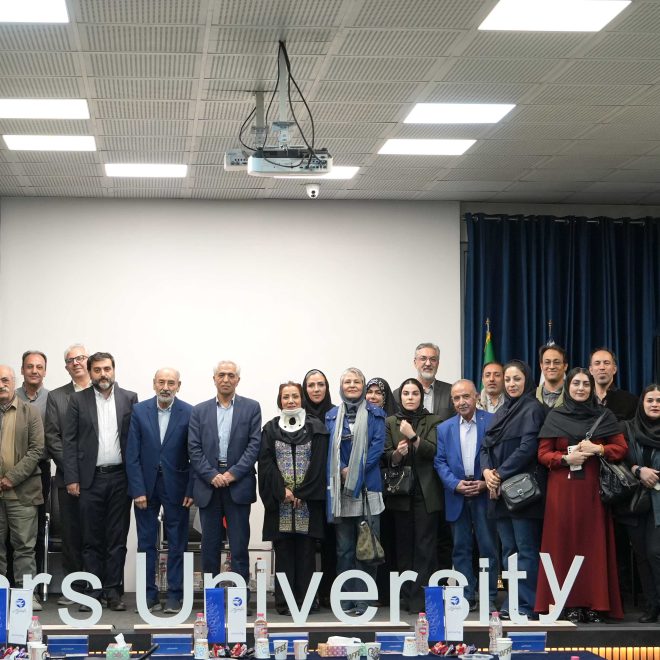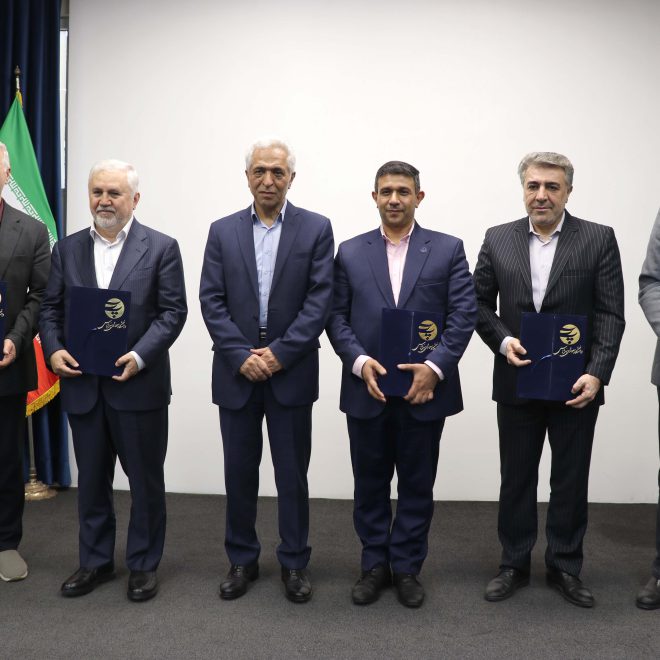
On the occasion of World Urbanism Day, a commemorative ceremony titled “Urbanism and the Discourse of the Arts” was held on Sunday, November 9 (Aban 18), at the Pars University Conference Hall, with the attendance of scholars, faculty members, and students from various fields.
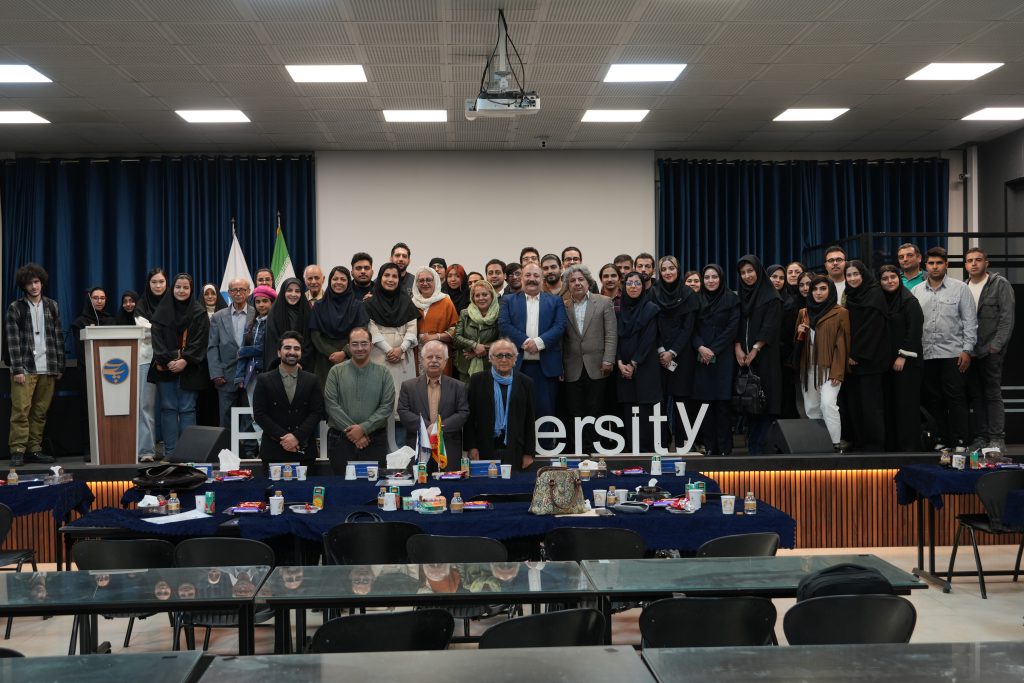
According to the Public Relations Office of Pars University of Architecture and Art, on the occasion of World Urbanism Day, a commemorative ceremony titled “Urbanism and the Discourse of the Arts” was held on Sunday, November 9 (Aban 18), at the university’s conference hall, with the attendance of scholars, faculty members, and students from various fields.
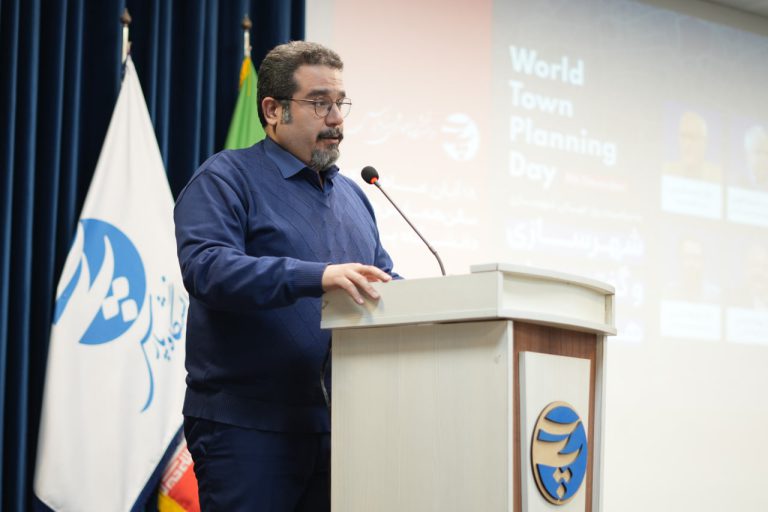
At the beginning of the ceremony, Engineer Alireza Ghahari (a faculty member of the Department of Architecture and Urban Planning at Pars University), while congratulating those present on the occasion, stated that artists and urban planners are the trustees and custodians of a society and its cities. He added that Iranian urbanism, like its other civilizational achievements, has a history spanning several millennia.
Referring to the fact that in a number of countries urban planning is regarded as a technical discipline, he stated: given that the city is intertwined with all the arts, urban planning in our country, in addition to being a technical field, is also closely related to art.
Engineer Ghahari, stating that Pars University’s initiative in organizing this event—focused on the interaction between urbanism and other arts—is commendable, remarked: “A city that lacks art and artists is not a suitable place for human life.
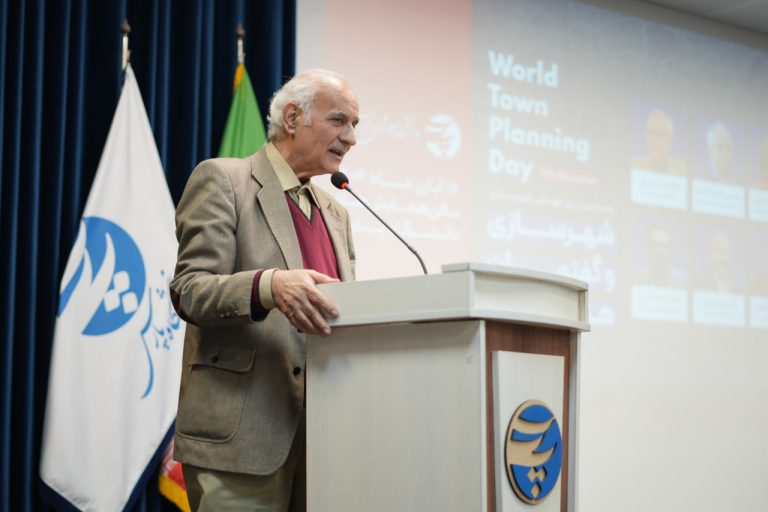
Following this, Dr. Ahmad Alasti (professor in the Department of Cinema) explained the history of the invention of cinema in 1895 and, referring to the connection between cinema and the city from its earliest days to the present, noted that from that very year until today, the concern with filming cities and urban events has been evident in artists’ works.
He also screened ten selected film clips from various cities around the world—some of which dated back more than a hundred years—and, while explaining the relationship between the art of cinema and the city, described these works as documents for studying how people intervene in and inhabit urban spaces.
Then, Dr. Farhad Amini (professor of the Department of Performing Arts) delivered a lecture on the representation of the city in Iranian literature and performing arts, stating that theater is the most urban form of art. He said that the way people access and experience theater is different from other arts. If there is no architectural structure and a suitable venue in the city, the art of theater will not exist.
He also provided a comparative overview of the history of Iranian narrative and dramatic literature over the past hundred years, and introduced three main patterns of engagement with the “city” as follows:
- Urban Aversion: In this approach, ranging from popular works to more serious texts, the city is depicted as a place of decay, violence, and inauthenticity, while the village is portrayed as a point of tranquility and sincerity.
- Urban Acceptance: This trend, which gained momentum from the 1950s onward, views the city not as “the problem” itself but as the setting where problems occur.
- City and Periphery Boundary: A category of works where neither the city nor its outskirts are presented as desirable spaces; instead, they represent human crises and conflicts.
Dr. Amini emphasized the necessity of expanding interdisciplinary studies between urban planning and the performing arts, adding that this field has received little attention in Iran, while it has the potential to foster important and practical research.
He also described Pars University’s environment as a suitable platform for collaboration among various groups and invited students of urban planning and performing arts to engage in joint projects analyzing the representation of the city in literature and theater.
Next, Dr. Behdad Panjehzadeh, Professor of the Painting Department, explained the methods of representing the city and architectural spaces in Persian miniature painting.
Referring to the perspective of Iranian artists on the world around them, he emphasized that Iranian painting has always relied on the realm of imagination and fantasy rather than a realistic depiction of the city; a space in which architecture, the city, and everyday life are rendered not according to visual laws but based on mystical intuition and Iranian thought.
Dr. Panjehzadeh, by presenting examples of works from various schools of miniature painting, including illustrations from Haft owrang, Khosrow and Shirin, and the Tabriz school, stated that this visual style not only reflects mysticism but also represents a different understanding of time, space, and the city—a city that never darkens, where even in night scenes, a symbolic light flows over it.
Dr. Behzad Sehti (Professor of the Photography Department) also pointed to the historical role of photography in understanding the city and urban developments, saying: “Photography gained its own independent identity from the heart of the city—the very place where the concept of ‘living photography’ first emerged, and where the photograph was able, beyond its dependence on painting and other arts, to capture social reality.”
He then delivered a lecture titled “The Sociological Interpretation of Urban Modernization in Iranian Photography,” emphasizing the importance of a sociological approach to analyzing photographs. He stated that sociological analysis advances other disciplines and facilitates understanding of contemporary Iranian history. He also noted that sociological theories aid in the logical interpretation of photographs.
Dr. Sehati explained concepts such as habitus, field, praxis, and capital, and by presenting a collection of rarely seen photographs of Tehran and Tabriz from the Pahlavi era, demonstrated how these concepts can be observed in historical photographs of Iranian cities.
It should be noted that Professor Mahmoud Golabchi (founder of Pars University of Architecture and Art) also delivered a video message congratulating the country’s urban planning community on the occasion and unveiled Chapter 24 of the National Building Regulations, titled “Urban Conformity of Buildings.” This chapter was developed in collaboration with distinguished faculty members of Pars University and was recently issued by the Ministry of Roads and Urban Development to the relevant authorities for implementation.
Professor Golabchi, in his remarks, emphasized that the city is a symbol of a nation’s civilization, culture, and identity, and described World Urban Planning Day as an opportunity to rethink the quality of cities and to strive to build healthy, clean, and efficient urban environments.
He pointed out that more than half of human life is spent in cities and emphasized: “Our responsibility is to provide citizens with a desirable and worthy urban environment.”
Professor Golabchi described the drafting and approval of Chapter 24 as an important step in linking architecture and the city, calling it a national achievement that can pave the way for improving the quality of cities across the country.
He also expressed hope that this chapter, which forms part of the National Building Regulations and carries legal enforceability, will lead to better conformity between buildings and the urban environment and enhance urban livability.
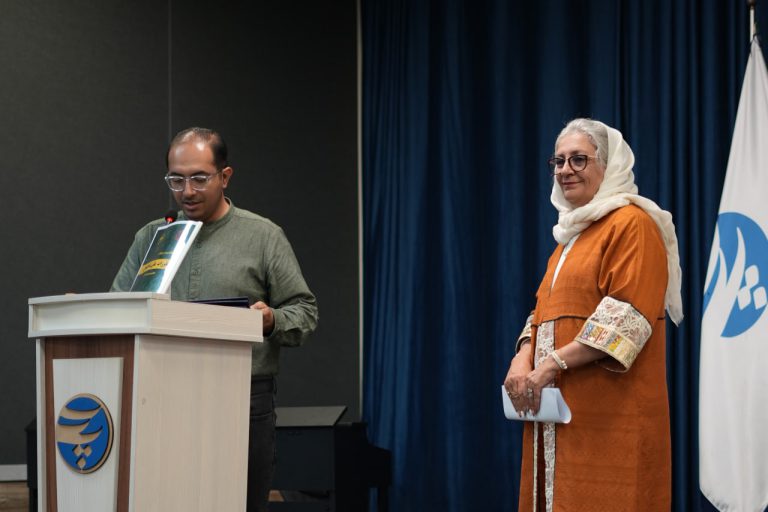
At the conclusion of the ceremony, Dr. Simin Hanachi, a faculty member of the Department of Urban Planning, stated that the implementation of the chapter “Urban Conformity of Buildings” has only just begun and that a long and challenging path lies ahead. She added that this chapter creates a shared responsibility not only for architects and urban planners but also for municipalities, property owners, operators, and specialized institutions.
She also noted that Chapter 24 was approved after nearly a decade of effort and emphasized that it could put an end to the siloed nature of knowledge and practice in professions related to urban planning and architecture.
Dr. Hanachi identified the main principles of this chapter as adaptation to the natural context, functional alignment, physical proportions, and the harmony of urban form and landscape, emphasizing that these principles can pave the way for improving the quality of cities.
She added that this chapter can also serve as a basis for developing a common language among experts, managers, and the public. Without such a shared language, it is difficult to reach a consensus on the quality of construction and the livability of cities.
Dr. Hanachi also referred to the importance of other arts alongside urban planning, adding that the interaction and coexistence of various disciplines provide an opportunity for a deeper understanding of the city and its livability.
Dr. Hanachi introduced the concept of “Ba‑hamestan” as a new approach to interdisciplinary collaboration, saying, “We have not yet achieved a shared language and common understanding between the urban planning community and other disciplines. This meeting is an example of the kind of interaction that needs to be fostered in universities and society.”
It is worth noting that during the ceremony, the winners of the “Urban Echoes” photography competition were announced, and the works of the first-, second-, and third-place winners were exhibited. The competition, held during Urban Planning Week, focused on urban life in Tehran’s District 6 and attracted the participation of photography enthusiasts.